DAY 25: Eurolanche on Tour XVI
 A daily recap of the Eurolanche members' trip, including the best photos of the day.
As I begin writing this article, three months have already passed since the start of Eurolanche on Tour XVI. The sixteenth trip by the world’s largest Colorado Avalanche Fan Club, Eurolanche, took place from January 2 to 24, 2026 (and perhaps even longer—you’ll see).
In the past, it was always my rule to provide daily updates during trips to the U.S., featuring dozens or even more than 100 photos from each day. This time, I decided to do things differently. On my last trip as the organizer, I didn’t want to be running around like I had all those years before, when I had to update and post everything late at night or early the next morning. The second reason for the delayed reporting was the security measures, which were tightening on both sides of the ocean.
That’s why all of this finally begins on April 3, 2026—exactly three months from the day when I would normally have published the first notes and photos from the arrival in the U.S.
What follows is an expanded diary featuring a selection of the best photos from each day, which will be updated day by day, as if we were back in January.
In addition to this article, more will be added gradually, chronicling Eurolanche on Tour XVI, which was attended by Tomáš (for the third time), Robert (for the second time), and Eliška (for the first time), in addition to myself.
Let’s get started!
- Photo gallery I.: Solo leg (2/1-8/1)
- Photo gallery II.: 1st leg (8/1-12/1)
- Photo gallery III.: Roadtrip (12/1-16/1)
- Photo gallery IV.: Final leg (16/1-25/1)
DAY 25 - 01/26 - THE END
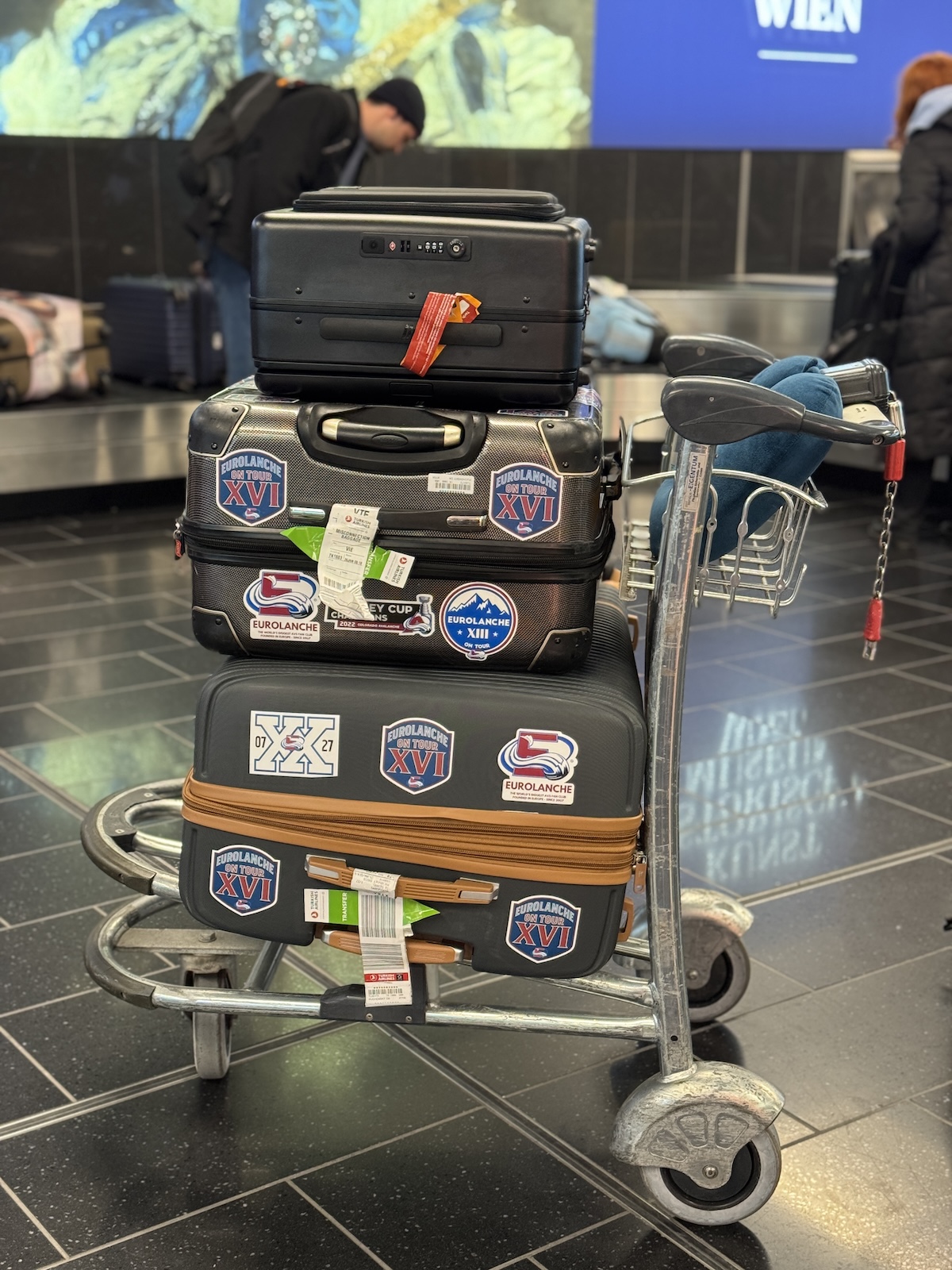
The alarm clock came around five in the morning. Once, the two of us were in a taxi, where I came up with a funny description: A Slovak, an Austrian and an Arab meet in a taxi driven by a Turkish driver... In the end, everything went smoothly, we flew off and landed safely. I had all my suitcases and so I could take the symbolic, last photo of this legendary trip on its 25th day (!) - Eurolanche on Tour XVI.
DAY 24 - 01/25 - THE ENDLESS TRIP CONTINUES
Three-quarters of our group made it home without any problems. I had a smaller adventure ahead of me.
I had plenty of room on the plane, as I was by the window and there was no one in the middle, except for the lady in the aisle. We chatted and I found out that she was from Nebraska and that it was her first time traveling that far. She had several family members on board. Destination? Tanzania. Wow. I thought that by the time I got home, she would still be somewhere over Africa... Otherwise, hats off to her for enjoying life at such an age, and her mother was almost 90 years old!
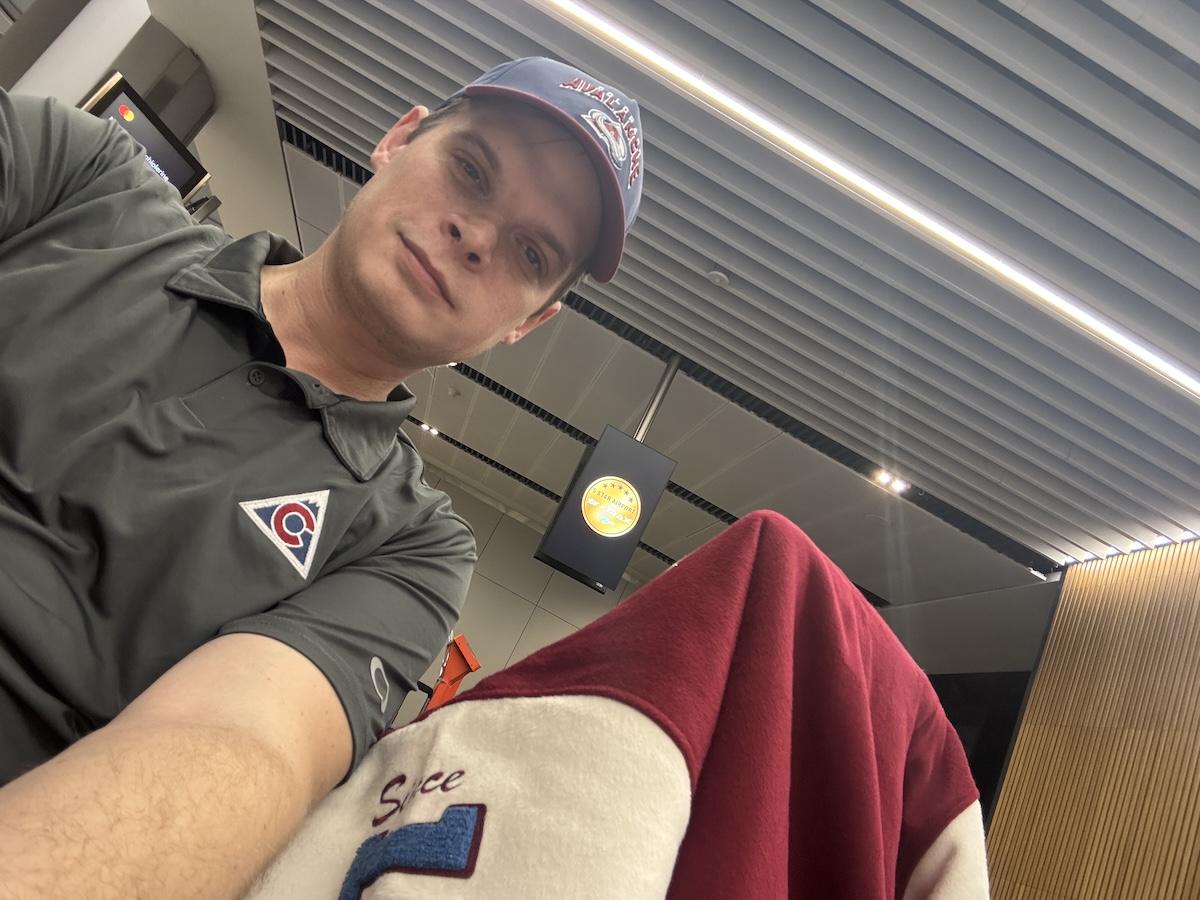
After landing in Istanbul, I found out that the flight to Vienna was overbooked - the company had sold more tickets than there were seats on the plane. This happens quite often, for example when the type of plane that was supposed to fly was changed. Anyway, my seat was guaranteed, but I still asked at the gate what I would get if I gave it up? Answer: 250 euros, free hotel, food voucher and departure the next day. Since I was in no hurry, I agreed and immediately remembered the "farmer from Nebraska" that she would be faster in the first-arrival category.
I soon regretted my decision. Time dragged on and by the time they gave us confirmation and instructions, an hour had passed. I immediately went to eat for free and regretted that before this whole circus I had probably bought the most expensive fast food in my life for over 25 euros! A regular Carl's Jr. burger! Anyway, this airport was insanely expensive for food. As I found out, it was also chaotic, because it was an art to get out of it to a specific airline counter. There followed another wait and finally getting into a small bus with other passengers with a similar fate and then a 40-minute trudging to the hotel... Oh, the horror.
We arrived at the hotel around midnight. The man at the reception was not prepared at all, he checked each passenger in individually and slowly. I was on my feet and nervous, as my flight was scheduled to depart at eight in the morning. Luckily, I was about third in line. I almost threw up when the receptionist told me that the bus would pick me up at four in the morning. I refused, and only because I had started talking to two fellow travelers to Vienna in the meantime, with whom we had agreed to go together later in the morning and take a taxi instead. We exchanged numbers to call each other in the morning if anyone was missing, and went to bed. So I found myself in a hotel room again, for the first time in Istanbul.
DAY 23 - 01/24 - GOODBYE, COLORADO
Since it was an exceptional trip, its last day could not be any different. So far, we have always gone directly to the airport on the last days, no other program was ever on the plan. But this year that changed. With Ken and his family, we went for a rich breakfast in the town of Morrison, which I have already written about in this extensive diary. And I have also already mentioned the great restaurant Red Rocks Grill, which we learned will soon be moved to a nearby location.
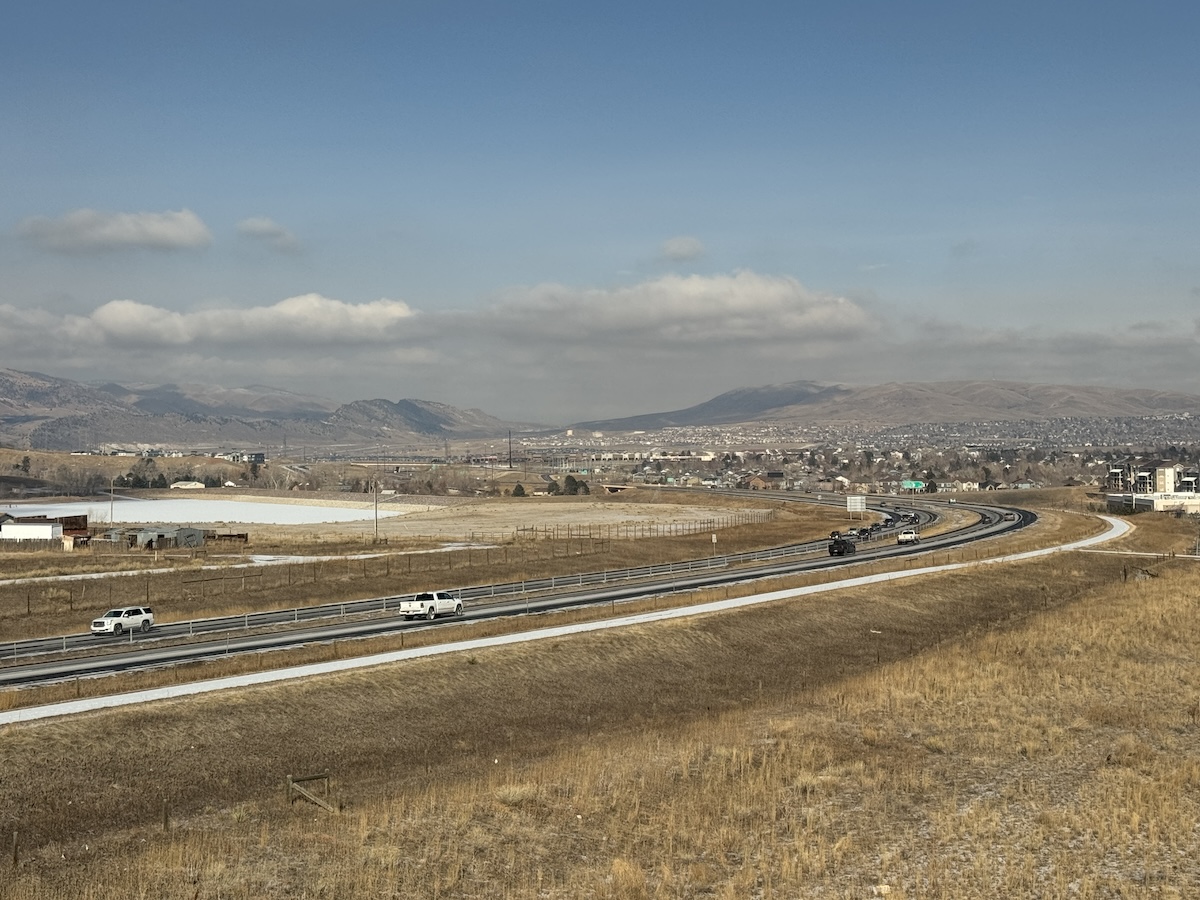
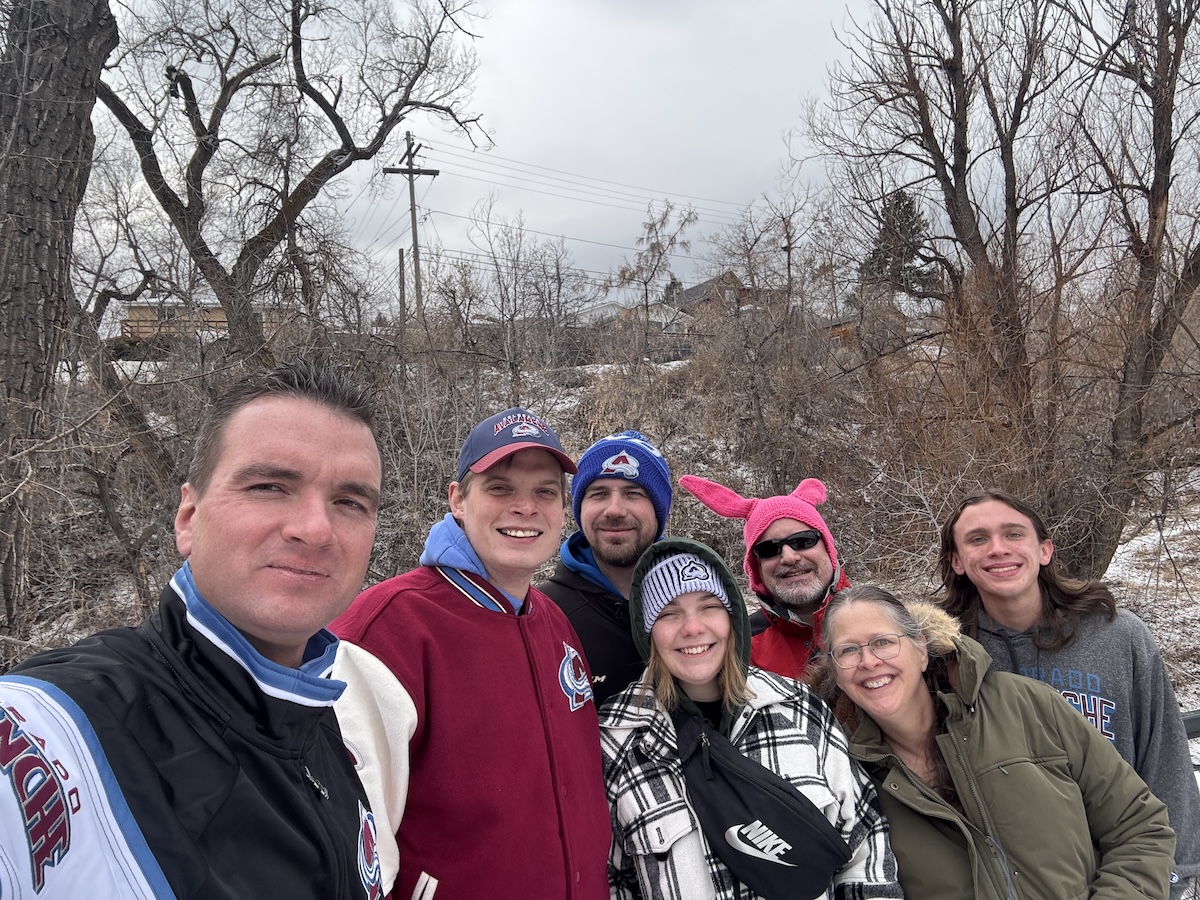
We celebrated the successful trip and our camaraderie with a nearly liter (!) margarita and a short walk along the river. Thanks Ken, thanks Molly!
But that wasn't all. Since we were right next to the Red Rocks Amphitheater, we took a symbolic, slow ride across the red rocks to it, while they played us famous musical hits associated with Colorado. Some even shed tears, so it was time for the end of an unforgettable Tour.
At the airport, Tomáš and I had a drink at the bar, looked at the view of the runway, and said goodbye, as Rob and Eliška were flying British Airways via London to Vienna. Turkish Airlines was waiting for me and the flight departed at 7:20 PM, the latest flight back to Europe I've ever experienced in Denver in all my years.
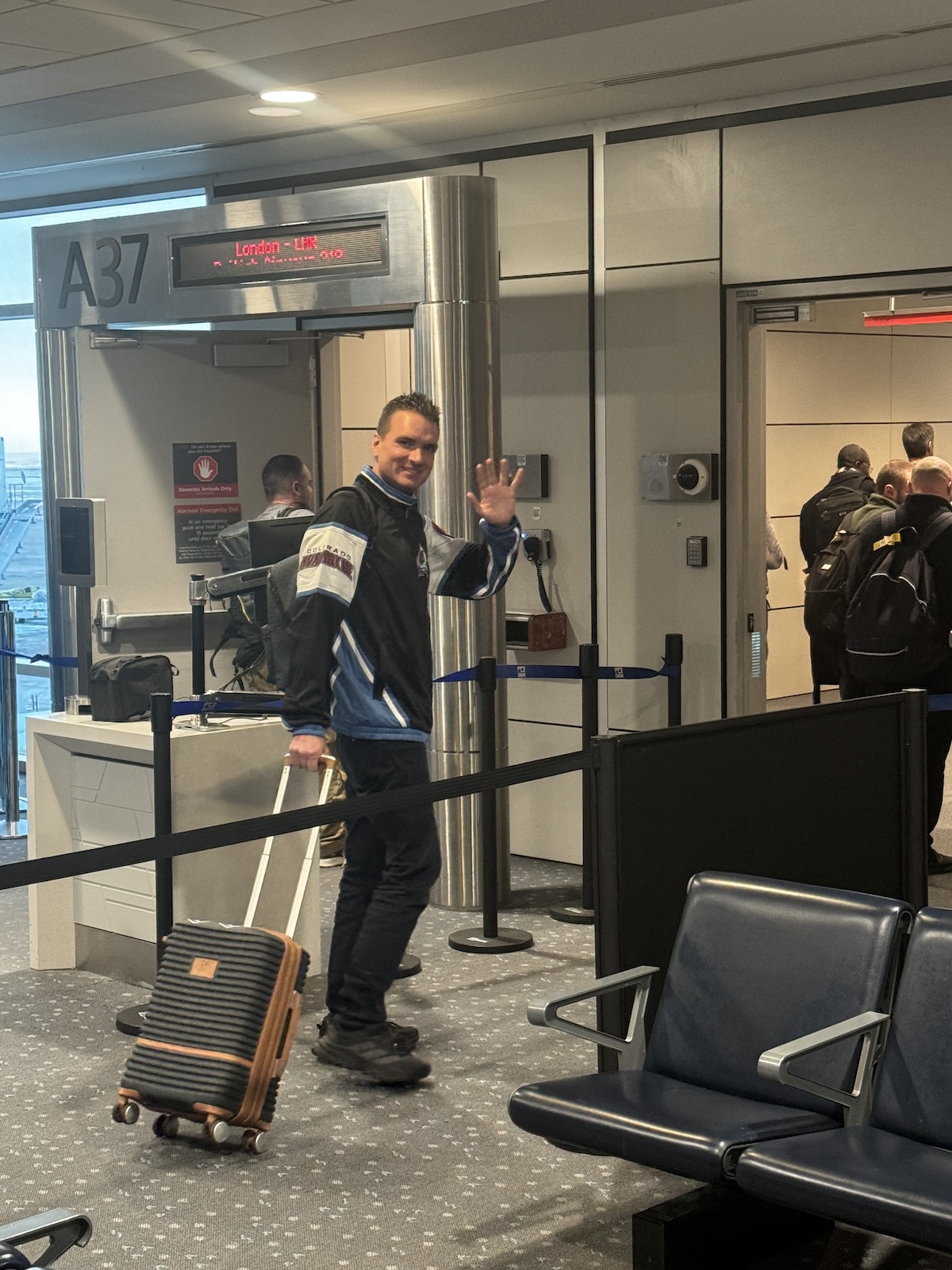
I stayed at the airport alone, had a light dinner, and said goodbye to Colorado, thinking that this would officially be the last day of the trip and that tomorrow would just be a formality. I was wrong.
DAY 22 - 01/23 - DAY OF DREAMS COME TRUE
If my last full day in Colorado as a tour leader with Eurolanche was going to be anything like this... It was a day of dreams come true.
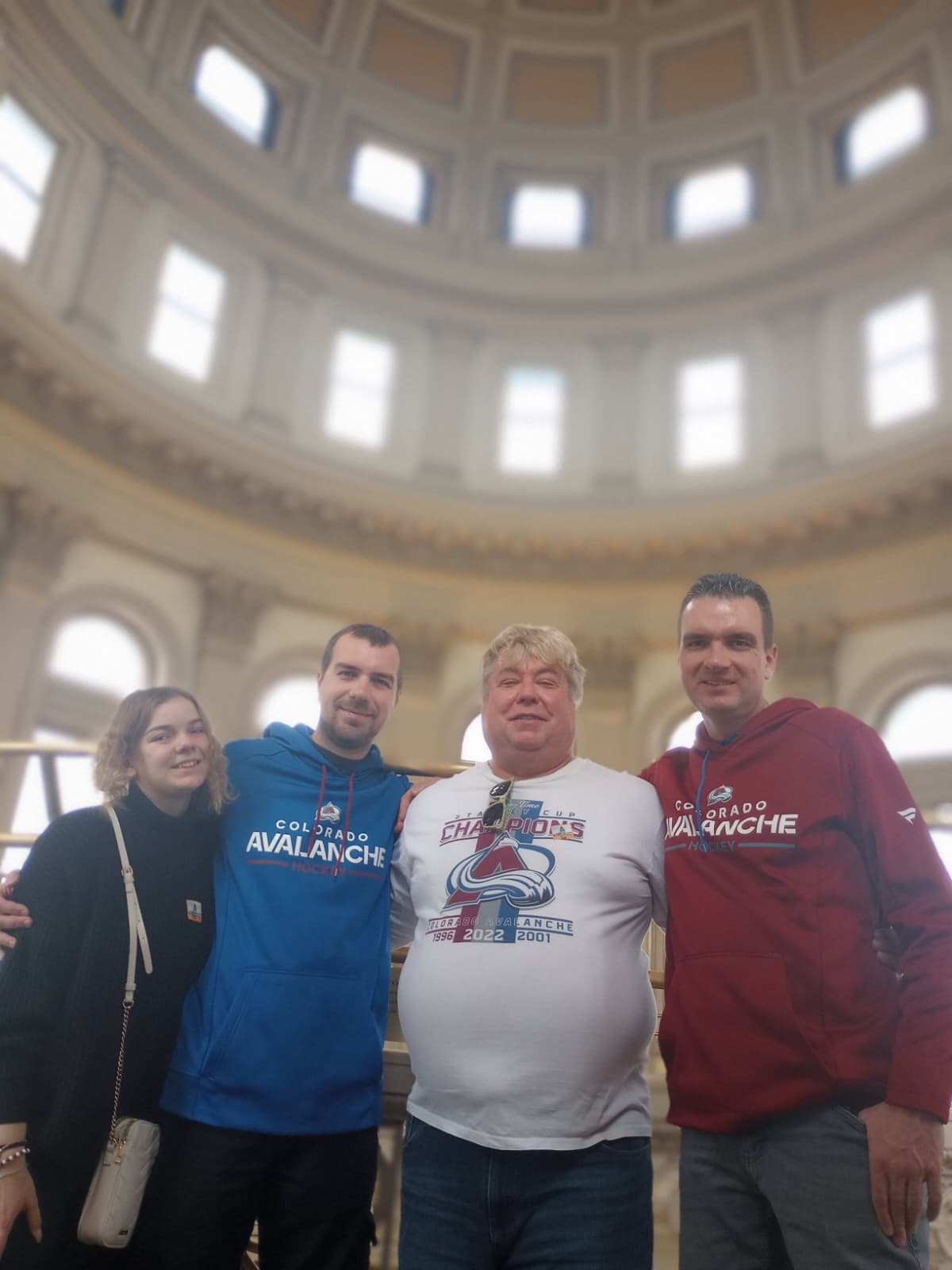
In the morning we split into two groups. Tomáš, Robo, Eliška and Andy took a look inside the Denver Capitol, where I had already been twice. I used this free time to visit The Cell - Counterterrorism Education Learning Lab, an educational and preventive center in the field of combating terrorism and extremism. It has existed in Denver since 2008, but I discovered it only now.
In the individual rooms you will learn everything essential about these serious crimes - from basic definitions, through a historical world overview to a room that is supposed to prepare you as a vigilant person, helpful to security agencies. From the point of view of my professional specialization, it was a great experience and inspiration for me in one. I think that this chapter does not end with these lines, but I do not want to reveal more... It was not allowed to take pictures inside, so you will not find anything in the photo gallery except for the entrance, where there was debris from the 9/11 attacks.
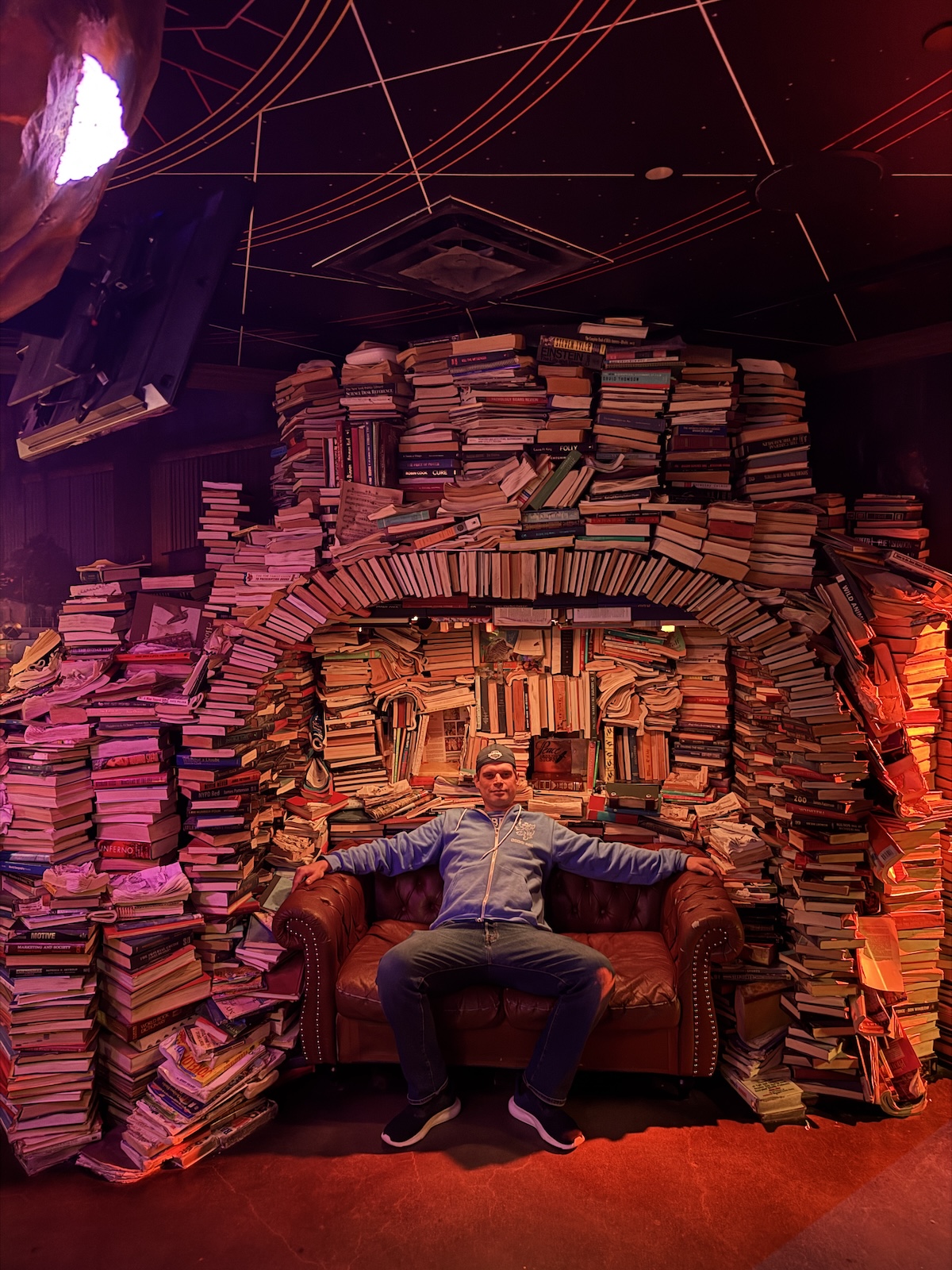
We met up with the group at the nearby Denver Art Museum, where we only managed to check out the shop. We had a reserved entrance to Meow Wolf Denver's Convergence Station at the exact time, which is a cool, artistic place full of interactivity, space, fantasy, and madness. It's hard to define it more precisely, so take a look at the photos now to get at least some idea. There are five similar locations in the US, and each one is different.
Since this place is near the Ball Arena and we had paid parking, I had the "brilliant" idea of ??leaving the car there. I think none of us will forget the trip to the hockey game and especially the walk back, with the cold wind blowing in our faces for over 15 minutes. Well, that's how my farewell to Denver looked... But I've already gotten ahead of the story.
When we managed to get to the Ball Arena, we joined the line. Why? We learned that before the evening game there would be an opportunity to get autographs and group photos from some of the players who won the Stanley Cup with the Avalanche in 2001. Similar events are held all this season as a celebration of the club's 30th anniversary. We had to buy tickets for this event at 50 dollars each. Again, I must emphasize that the season ticket holders helped us with this, who were the only ones who had such a purchase option. No one else helped us, it is not true that the club invited us to this event. No way!
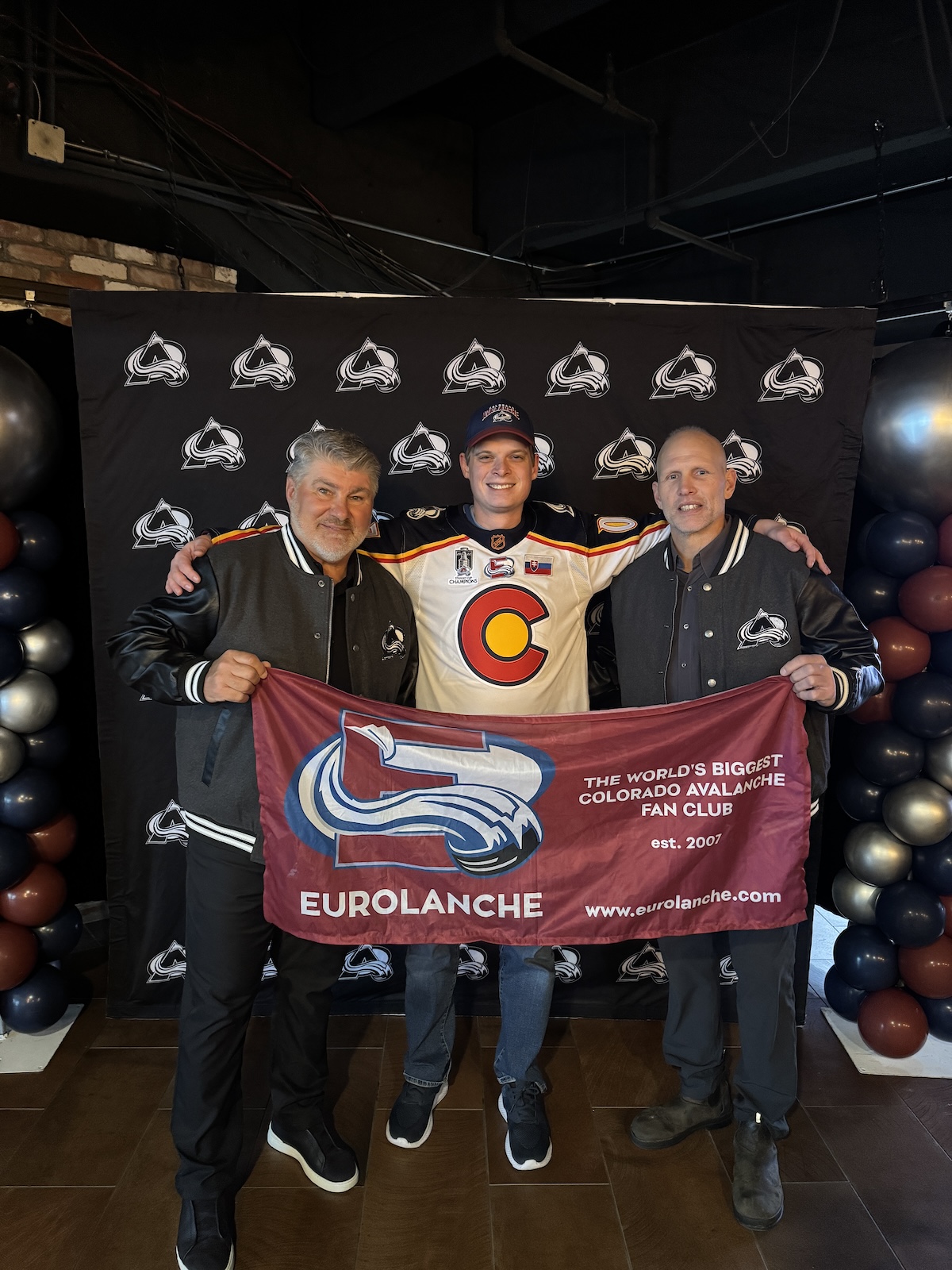
The whole system was designed so that the players were divided into stations and each of them had a rule - you could either ask for an autograph or take a picture, but not both at the same time. Our first steps were towards the photo station with Ray Bourque and Greg de Vries. We were done pretty quickly, each of us managed to take a special photo. I quickly introduced Eurolanche to Ray and where I was from, to which he responded that of course he knew Zdeno Chara.
Then we ran to the autograph booth, where Joe Sakic, David Aebischer, Chris Dingman, Jon Klemm and Martin Škoula were. We almost didn't make it in the given time slot, there were so many fans there. The nervousness was unbearable... I reminded Aebischer of our meeting in Switzerland in 2017, when the Eurolanche expedition went to see him. He remembered it! Škoula, who was sitting next to him, whom I met for the first time in my life, was also listening.
Sitting at the end of the table was none other than Joe Sakic. He recognized me, it wasn't the first time we'd met, and he even congratulated me on what I'd accomplished with Eurolanche - he knew this was the last trip I'd ever organize. I have this moment captured on video.
The whole event was slowly coming to an end, but we wanted to do something more. One of my best friends from Denver, Stephen, offered to let Peter Forsberg sign my poster with a dedication. It happened anyway! Didn't I say that ordinary people have always been the most helpful to us?
Our final stop was a table where Ray Bourque, Bryan Muir, Dave Reid, Stephane Yelle, Steven Reinprecht and Bryan Trottier, who won six Stanley Cups as a player and a seventh as an assistant coach with the Avalanche, were signing autographs. In Reinprecht's case, I also reminded him of our trip to Nuremberg in 2016, when we organized similar events as part of the 10th anniversary celebration of the Fan Club. I added that I still have his stick, which he gave me...
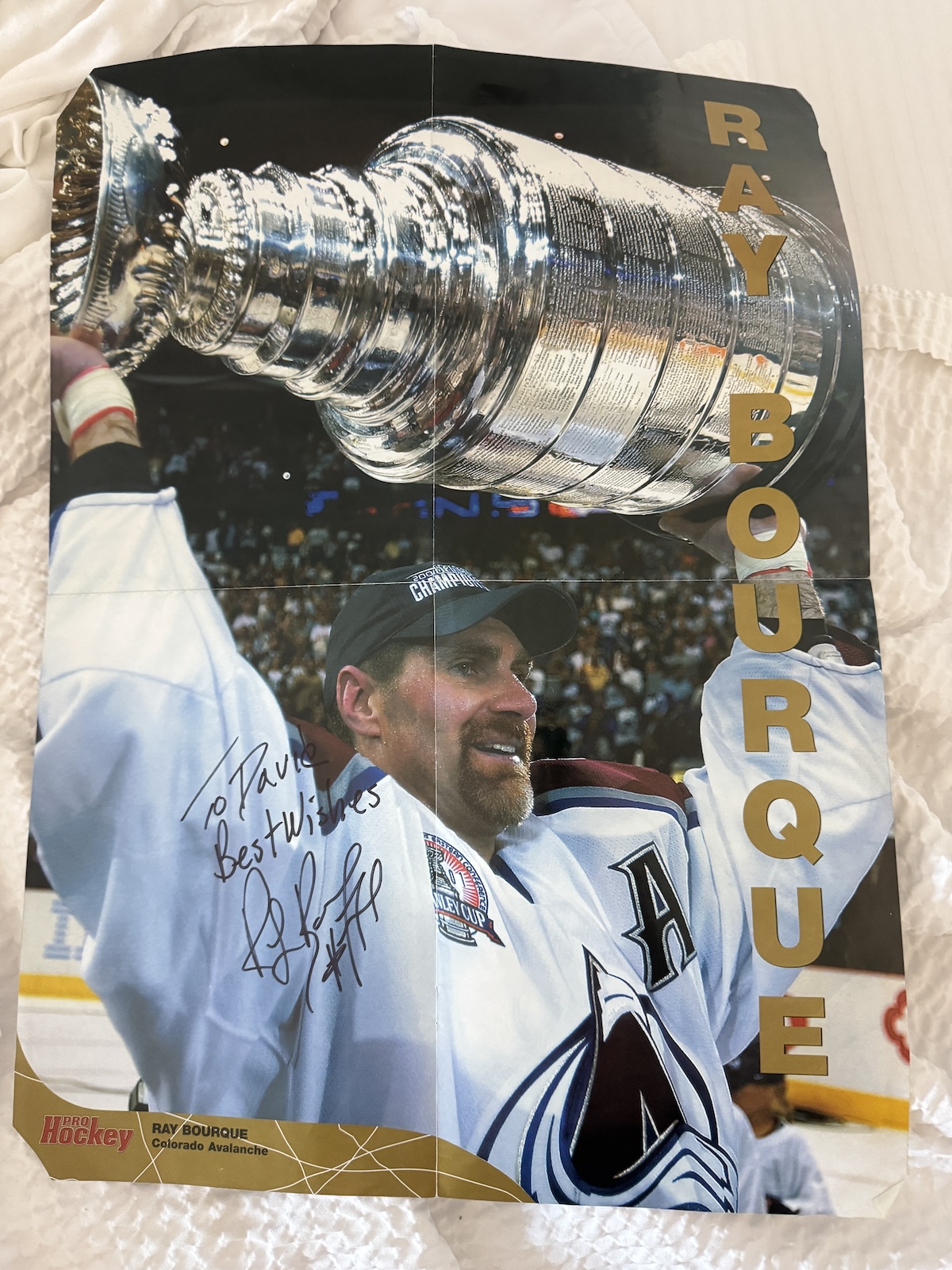
We managed to get all the players, including Bourque, at the last minute. The photo was accompanied by his signature on the legendary poster from ProHockey magazine from 2001, along with a dedication. I could truly say that day that my last dream connected with the Colorado Avalanche had come true - I met the last legend and got an autograph on the poster that hung in my childhood room.
I have to admit that I had chills when, before the puck drop, they played the old-familiar highlights from the winning Game 7 in 2001 with the soundtrack Wherever You Will Go by The Calling. How many times have I played it and dreamed that I would one day live to see another win, which finally happened... It was a deep emotion and childhood memory for me. And on this day, it all happened before my eyes. The circle was slowly closing... The icing on the cake was the pre-game ceremony, where all the players from the winning team met and where Sakic was also present with the Stanley Cup in his hands. The anthem was sung by my good friend Jake Schroeder, who hasn't worked for the club in years. What more can I say?
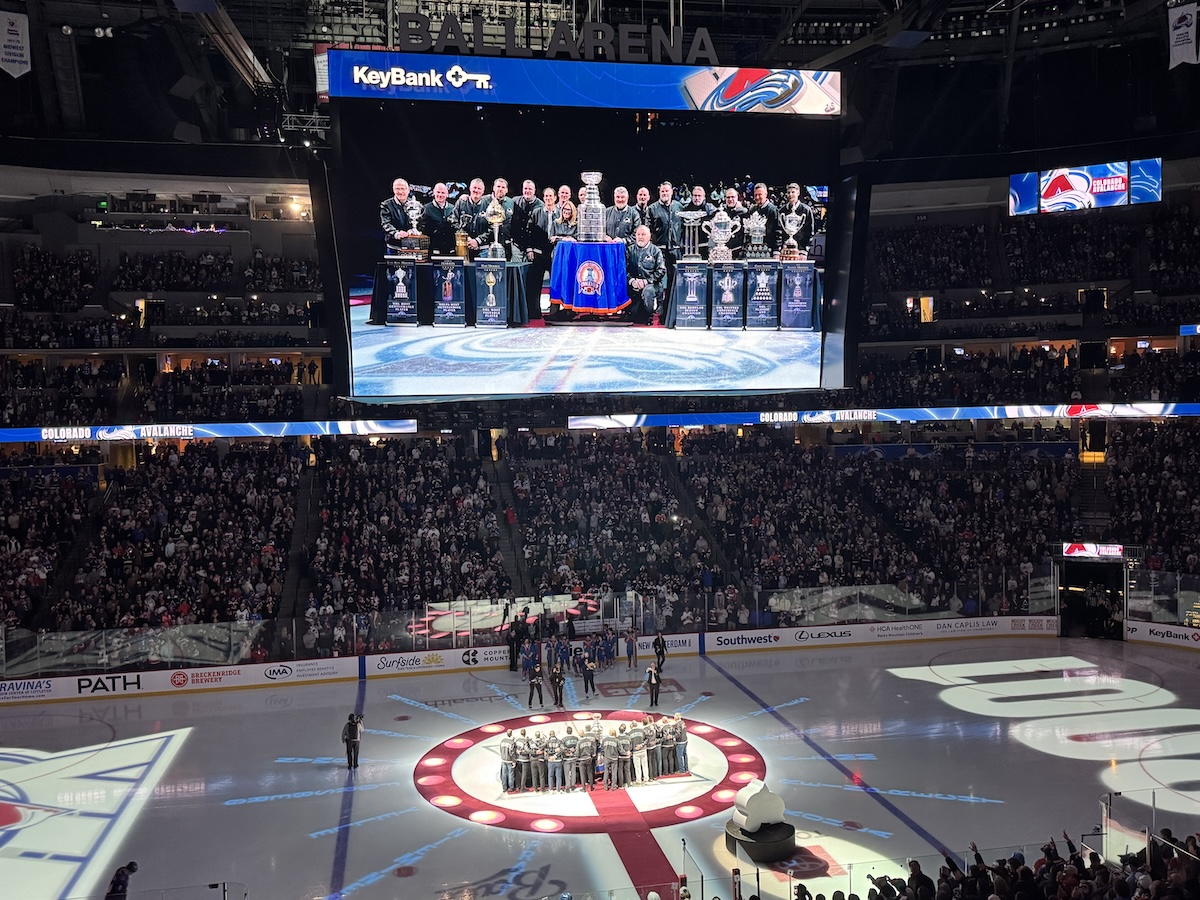
Even the fatal 3:7 loss to Philadelphia didn't spoil my mood... I took a few photos as a souvenir, reminisced with Andy sitting next to me, said goodbye to my friends during the breaks and after the game... And at the end of the day, I symbolically celebrated everything, where else than in SoBo 151.
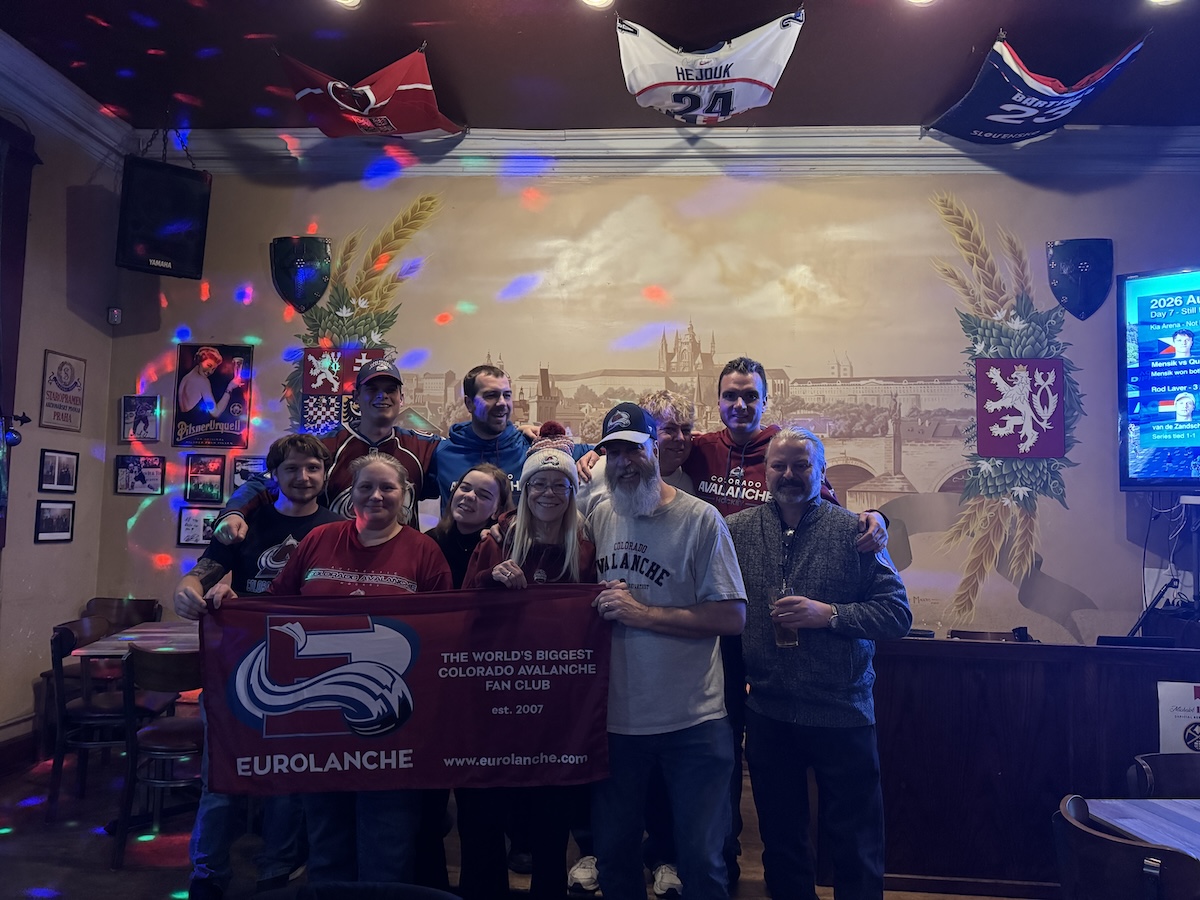
DAY 21 - 01/22 - FROM PLANES TO THE RODEO
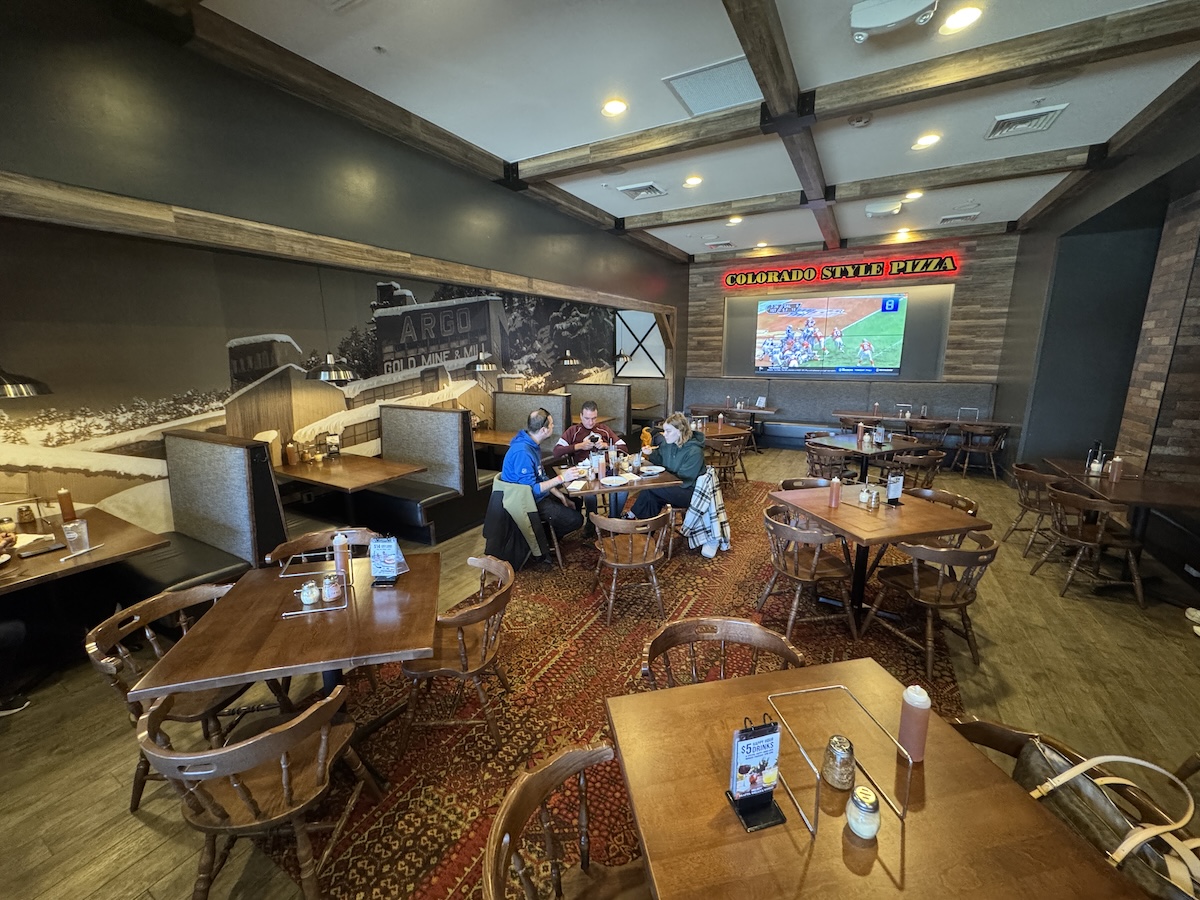
Too bad we only found out towards the end of the trip that the authentic Colorado restaurant Beau Jo's was having another special on their all-you-can-eat legendary Colorado-style pizza with thick, honey-topped edges. We had a great meal for less than $15.
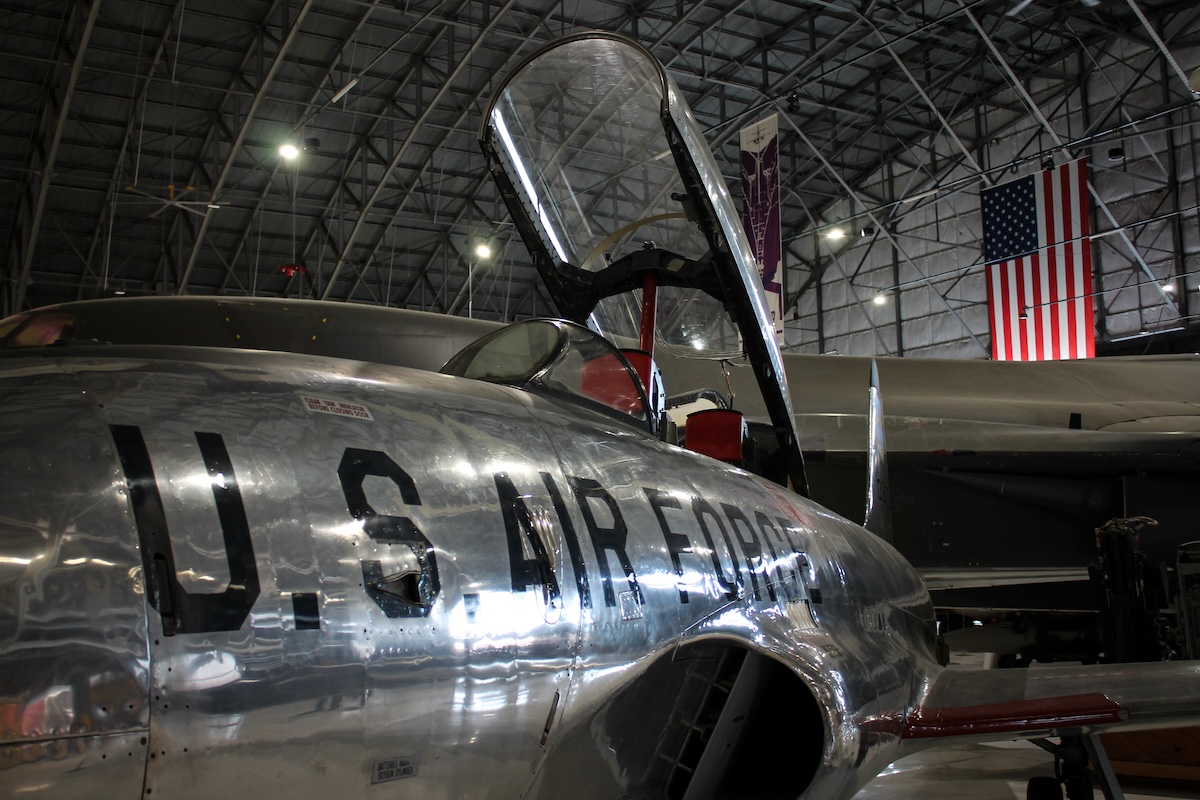
The first attraction of the day was Eurolanche's first visit to the Wings Over the Rockies Air and Space Museum. In one huge hangar, various fighter jets were concentrated, including the one from the famous movie True Lies, but also, for example, a machine from Star Wars.
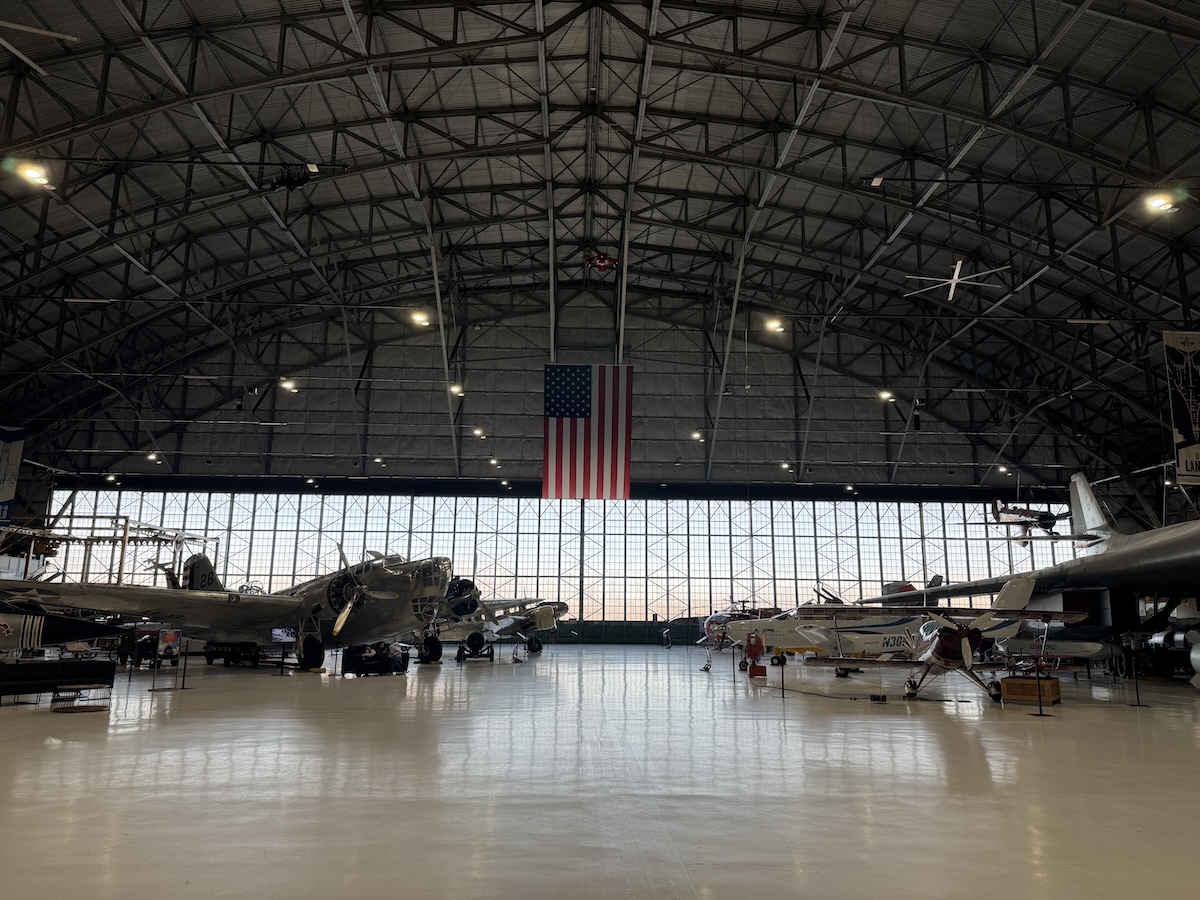
At first glance, it didn't seem like there were many exhibits, but with the rich accompanying text and especially the other side rooms - many of which were dedicated to the history of aviation in Colorado - there was more than enough. An extra was a section dedicated to NASA and Colorado astronauts. There were also simulators, which we didn't get to due to time constraints.
The day went by quickly, after a quick shopping spree along the way and a farewell stop at Ballmer Peak and a short stop at an antique shop in the cultural part of Denver in Santa Fe, we went to one of the oldest rodeo shows in the USA - the National Western Stock Show, which has been organized since 1906. For Eurolanche, it was the third visit to this event, which takes place in the Denver Coliseum, which is remembered by Avs-fanatics as a hockey stadium, where the Denver Cutthroats, the then second Avalanche farm in the CHL, played for the only season in 2012/13.
We left the car at Coors Field during the rodeo, as the organizer recommended. Free buses were taking visitors to and from the stadium. After the show, we got on one of them. For the first few minutes, a child was crying hysterically because his mother wouldn't do something to him. The driver responded quickly and started singing the hit "Sweet Caroline" at full blast. The whole bus joined in and the fun was guaranteed. That's life in America.
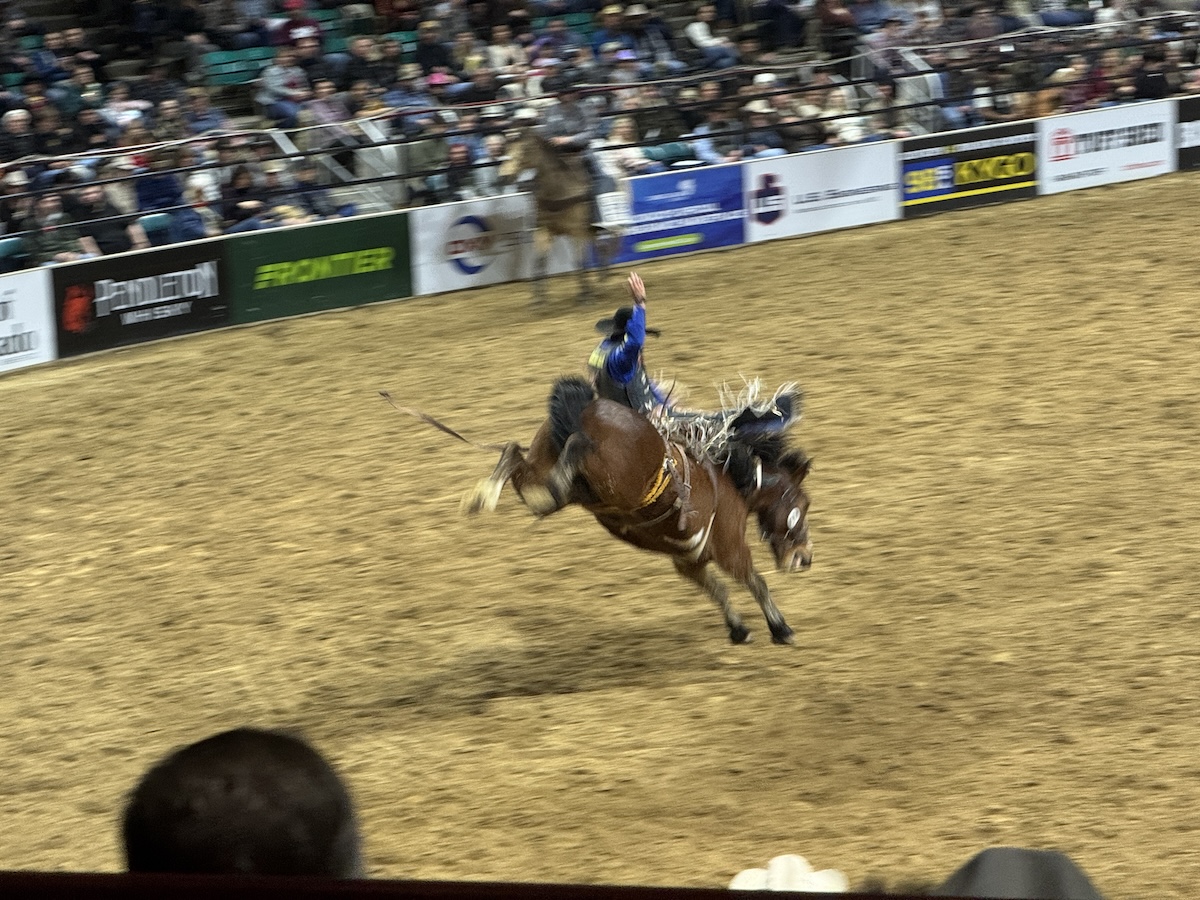
DAY 20 - 01/21 - A DAY OF A LOT, A LOT OF PHOTOS AND EXPERIENCES
This day went down in the history of Eurolanche on Tour XVI as one of the most productive in terms of photos. Normally I would process up to 100 photos in one day, but here there were over 160. This was mainly due to a visit to the mountain zoo near Colorado Springs, in the region where we went again and again.
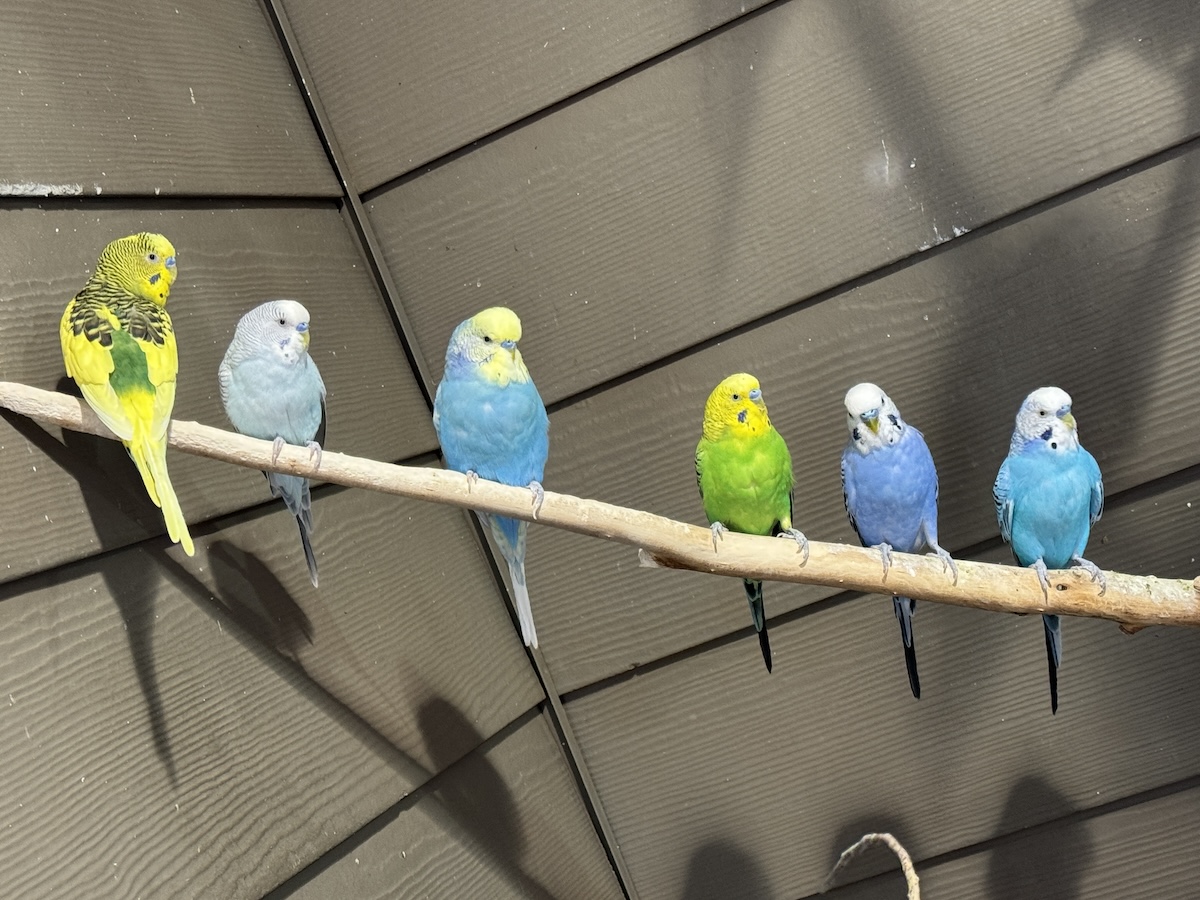
Cheyenne Mountain Zoo is the highest-altitude zoo in the US and was voted the second best zoo in the country in 2025. It's not the largest, with over 750 animals from 170 different species, but it's certainly unique in its environment. What caught our attention the most was the parakeet pavilion, which flew around us and we could feed for a dollar.
We didn't just stop at the birds. We were intrigued by a tiger, which separated us only a few meters without bars. An interesting sight was the moose, which is a rarity in our home region. Wild beasts, reptiles, exotic animals, but also goats, among which you could go for a walk.
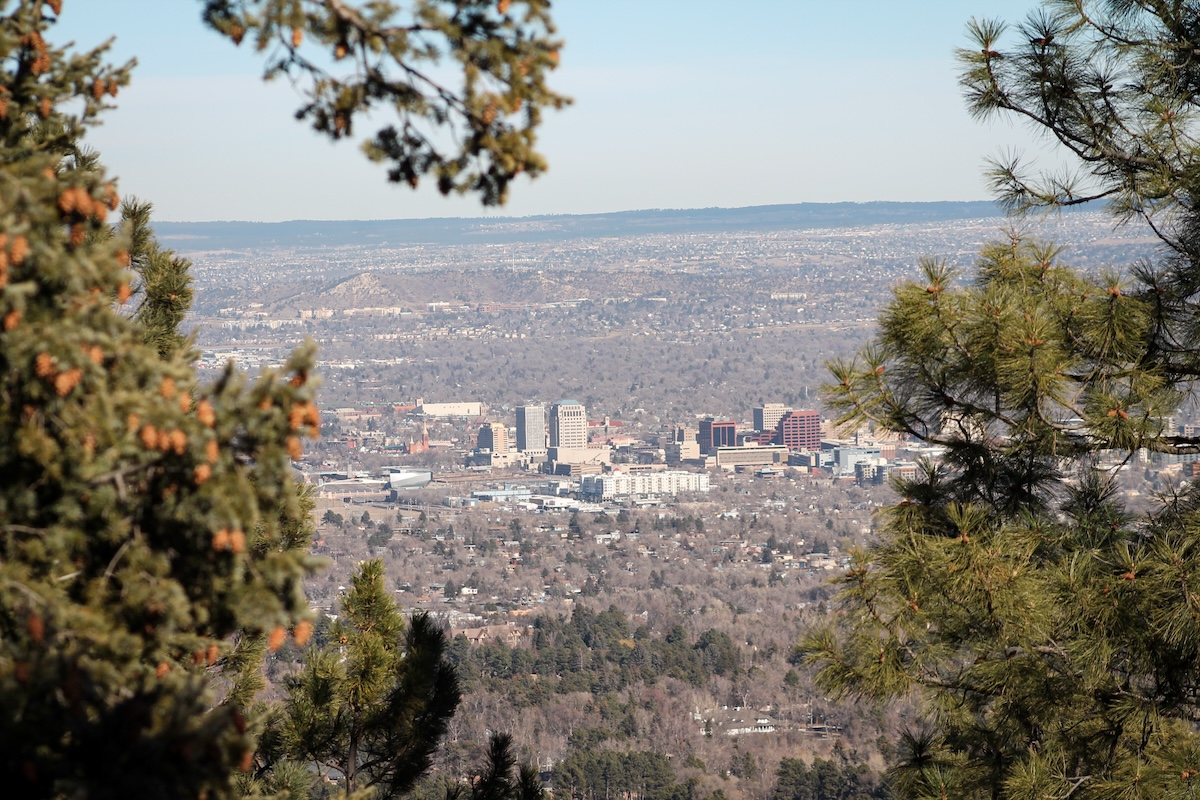
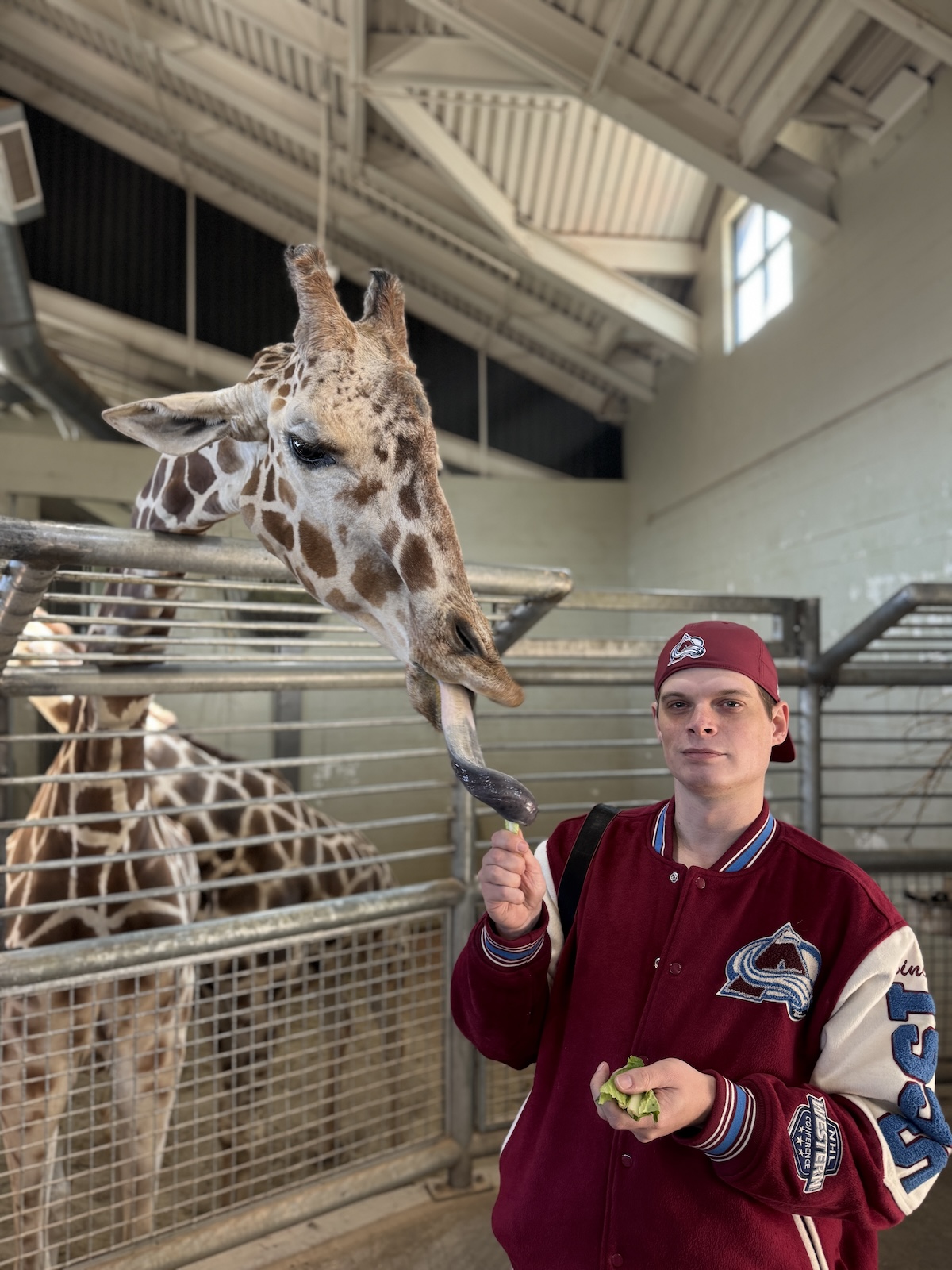
Add to that the exclusive view of Colorado Springs, the tower with a slide, or the giraffes, which we were also able to feed and whose annoying tongues made their mark. Simply beautiful in every way - and it was a premiere visit for Eurolanche.
Our next steps were to Colorado Springs, or rather its part Old Colorado City. Once the town of Colorado City was the capital of the Colorado Territory, the predecessor of the state, for a few months in 1861-1862. We were greeted by a historic street with many shops and restaurants, as well as impressive architecture.
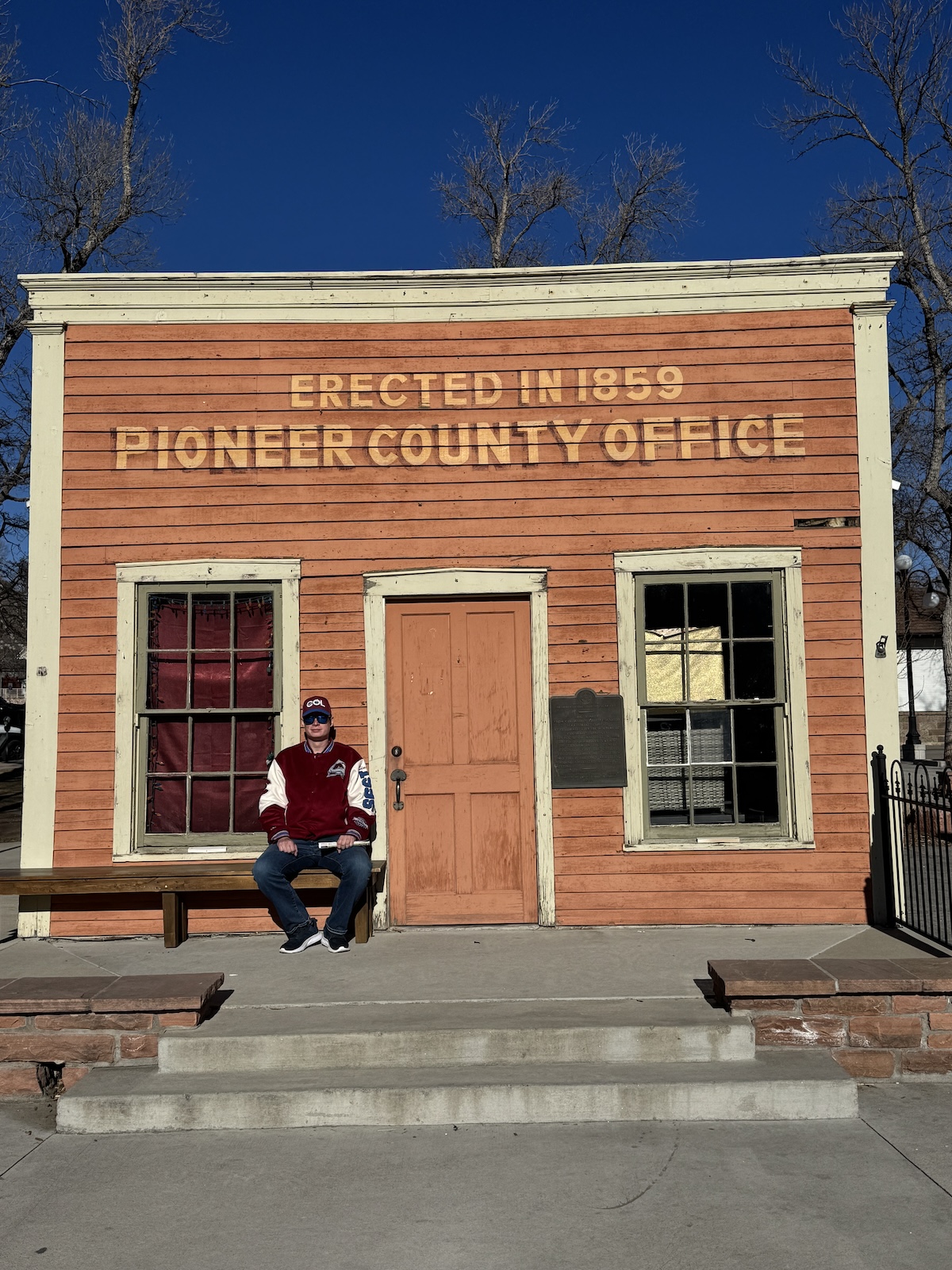
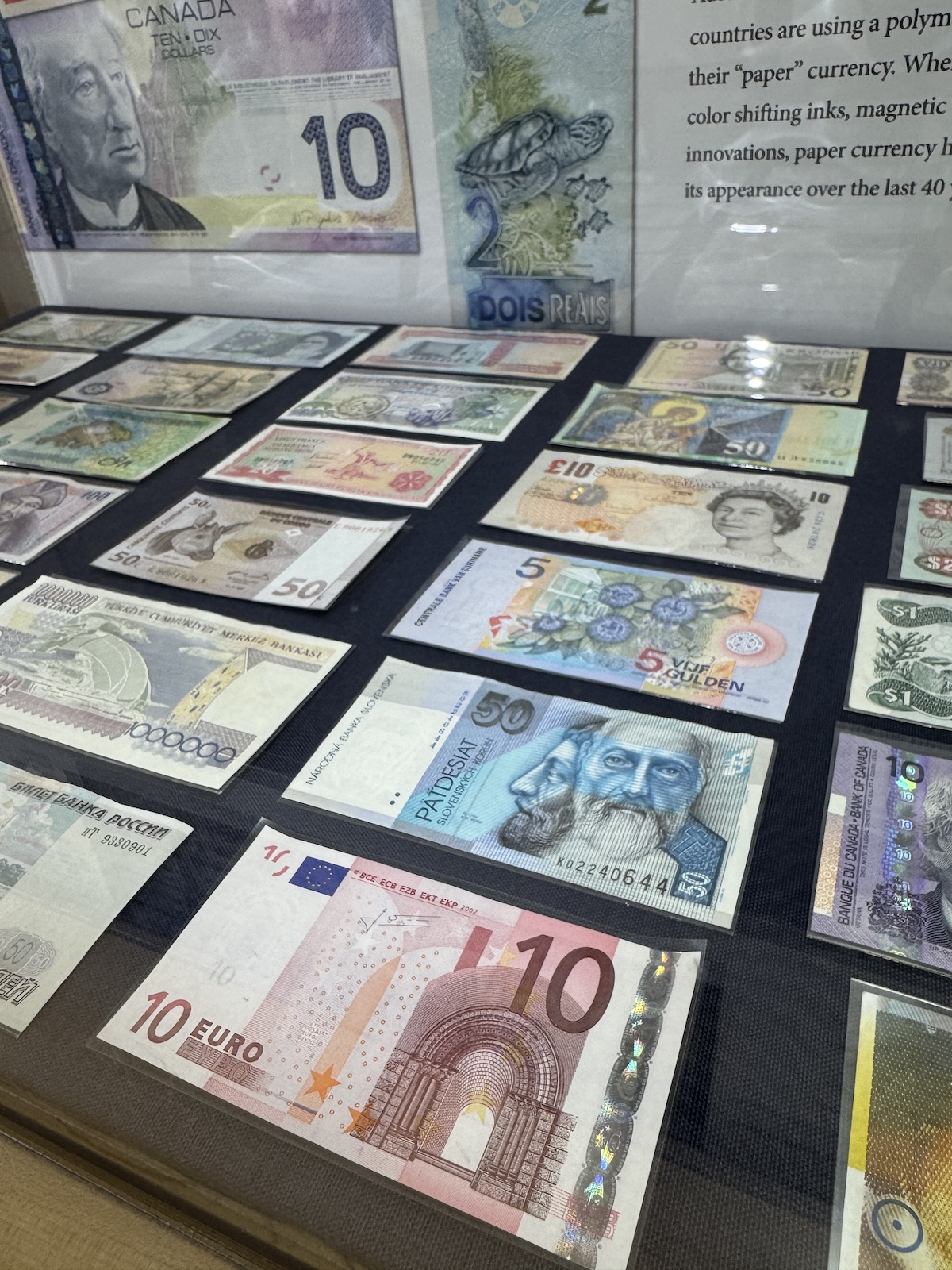
We caught up on everything. After lunch, we went to The Money Museum, a few minutes away. We saw not only historical and rare forms of the dollar, but also coins and banknotes from the history of various countries, as well as the present. There was even a Slovak 50 koruna there!
Time was running out, we had a game tonight, but we still managed to get a lot done. We drove through the Garden of Gods red rock park and visited the local souvenir shop Trading Post for the first time, the largest in the state. If we ever get there again, this must be on the agenda on the first day with enough time.
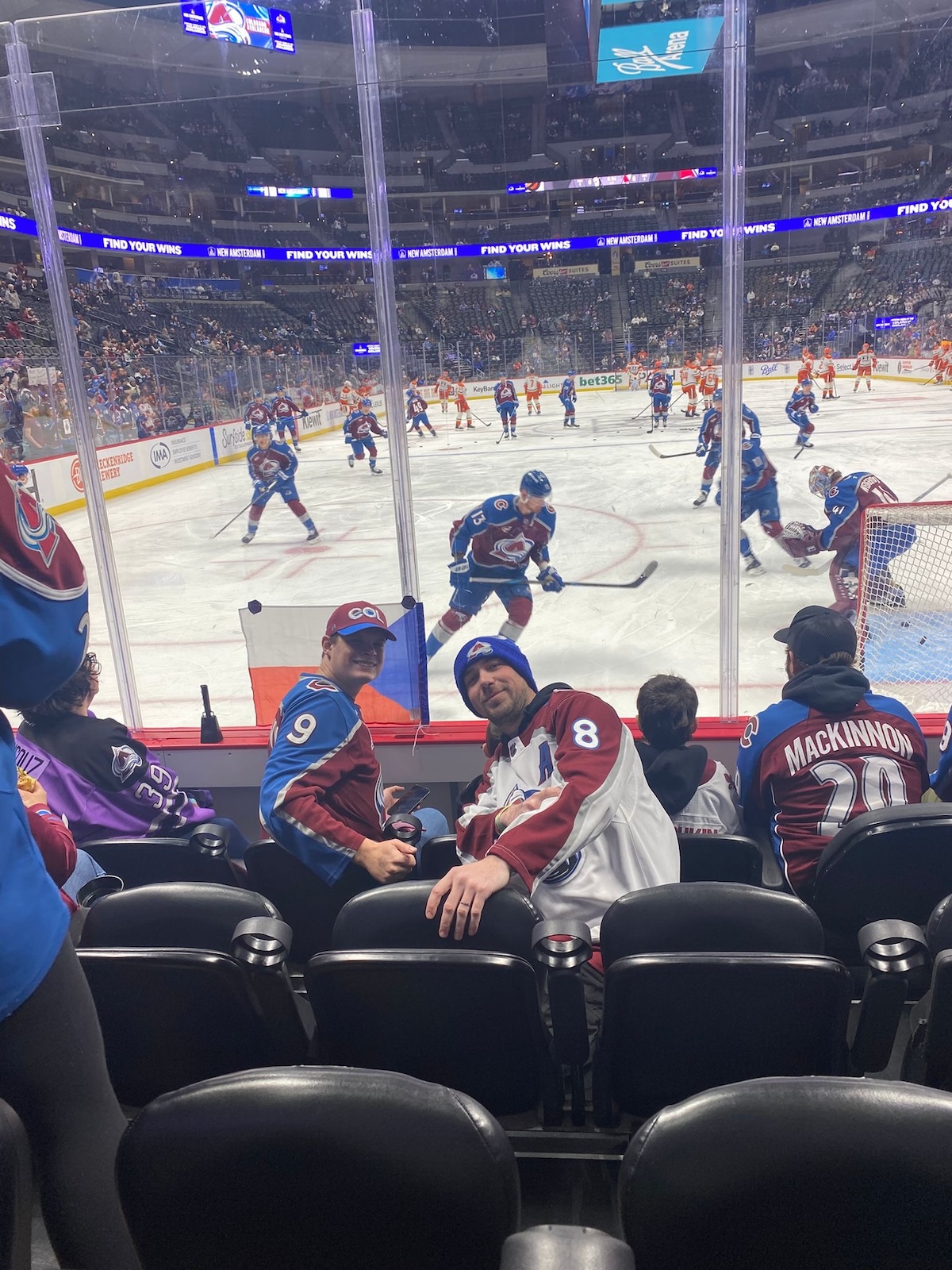
The Avalanche lost 1-2 in a shootout to Anaheim in the evening. Not much... At least I finally had time for the first time during this trip to take photos from the pre-game warm-up, which you can find in the photo gallery.
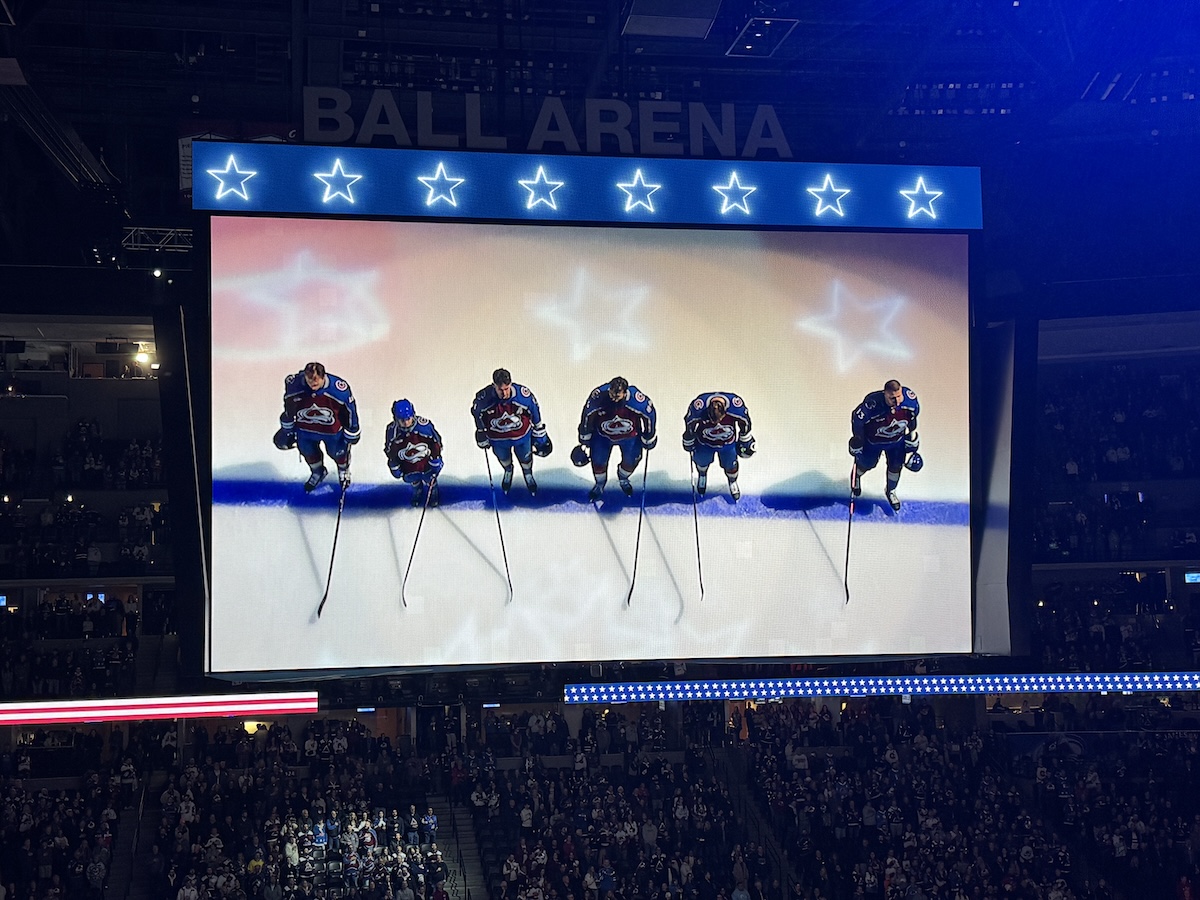
Our American friends certainly lifted our spirits during the breaks, as well as the interview for Czech Radio thanks to our friend Josef.
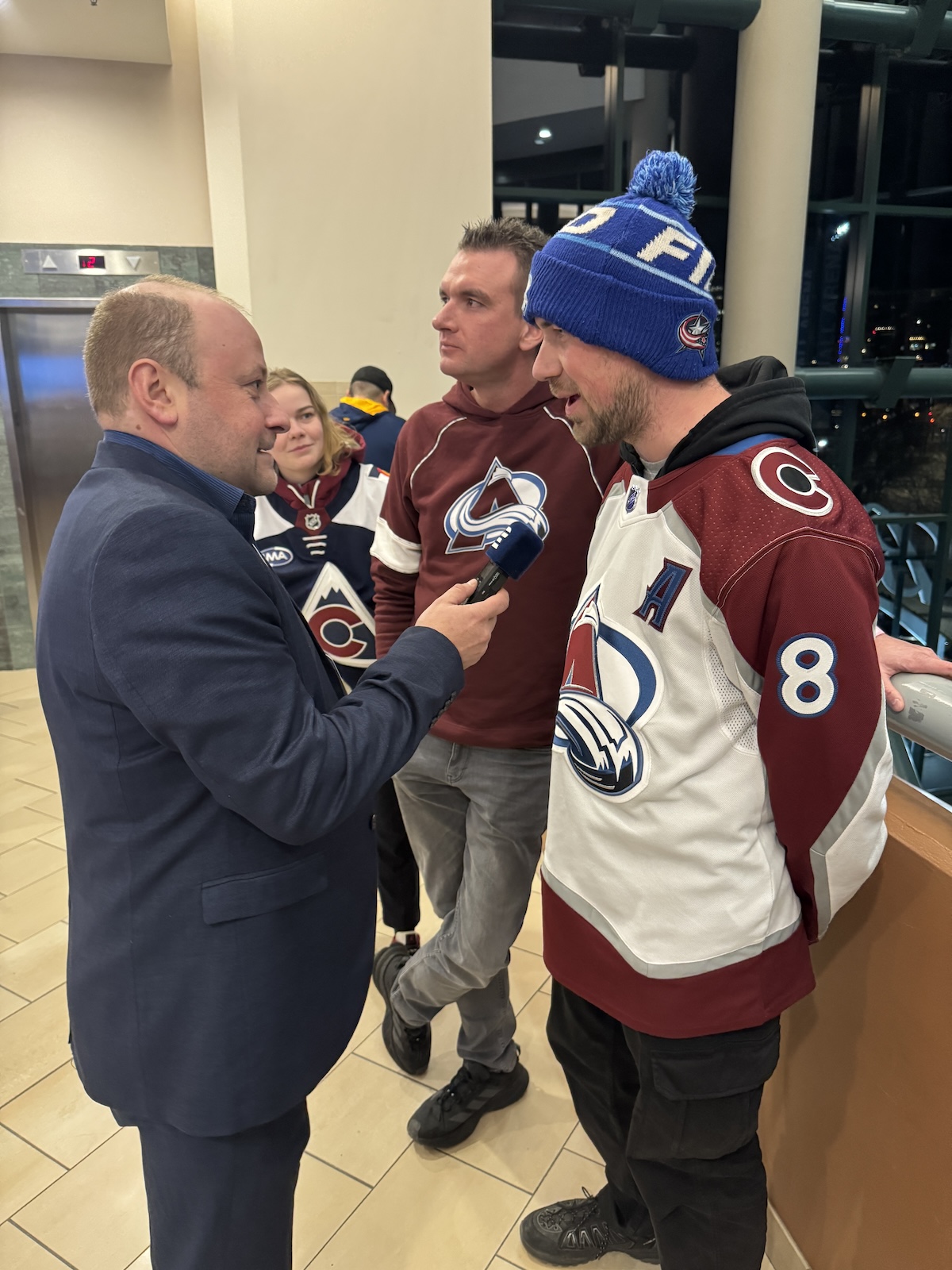
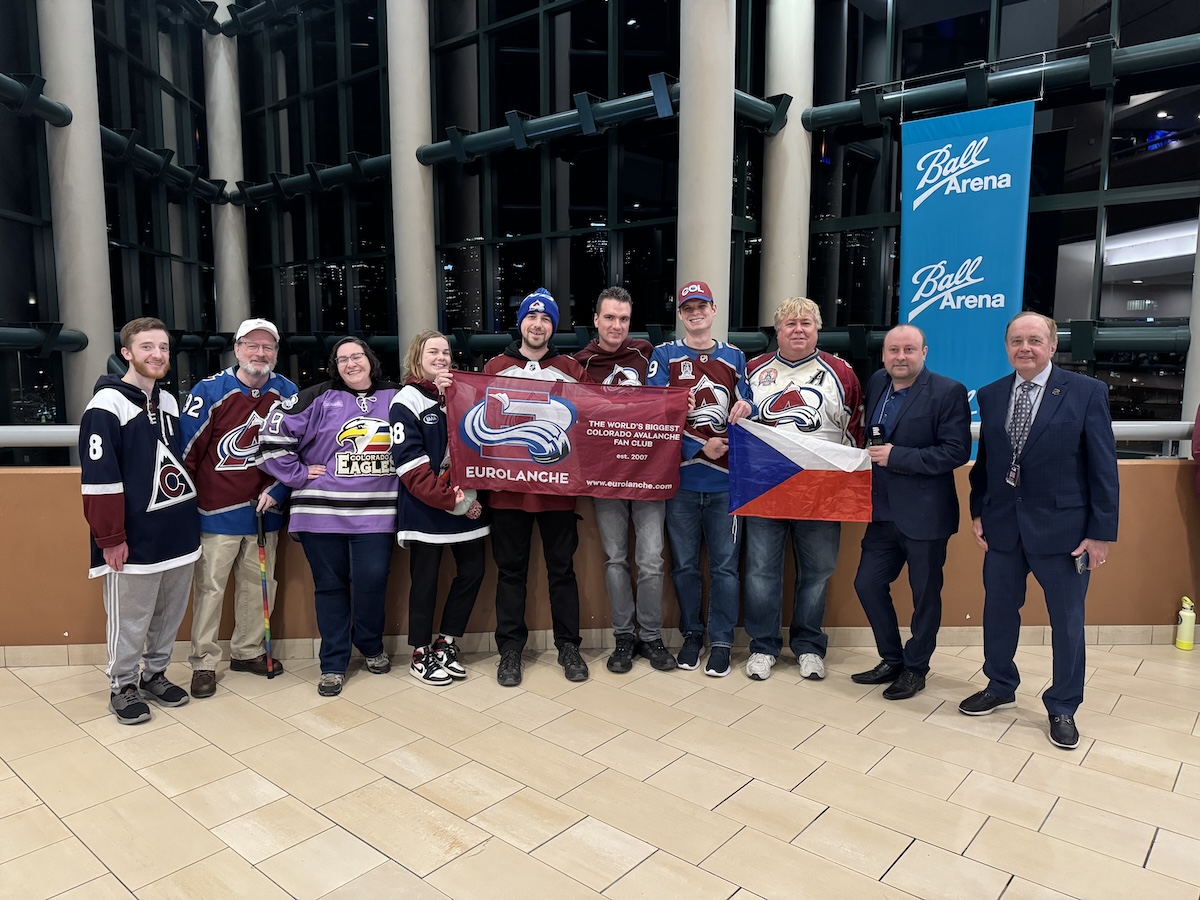
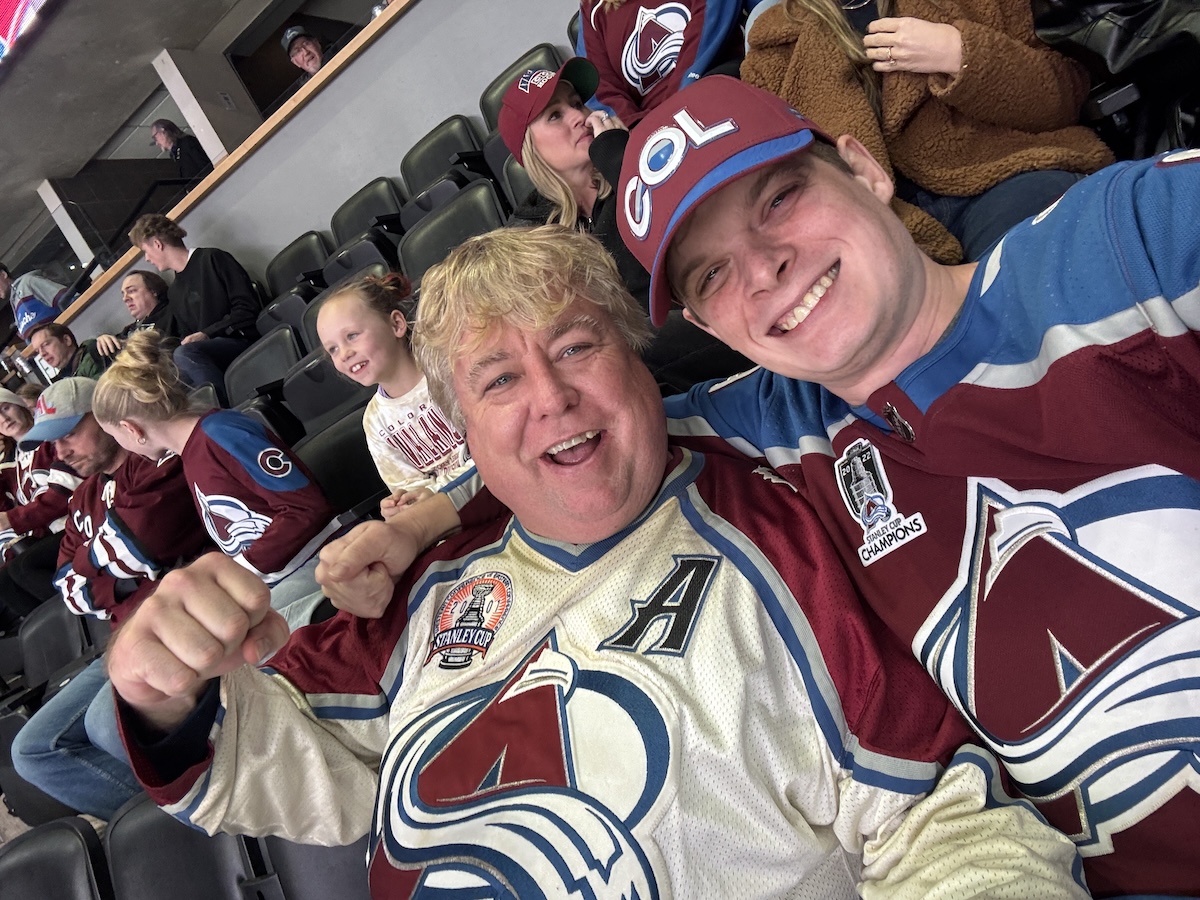
Andy came to Denver from LA before the game. He met Eurolanche back in 2009 during Eurolanche Invasion II and is basically our oldest friend. He even visited some of the members in Europe, including me. He later moved out west from Colorado, but we still keep in touch. In 2022, I visited him there on my own trip. This year, after years, we were able to reminisce about various experiences from previous trips.
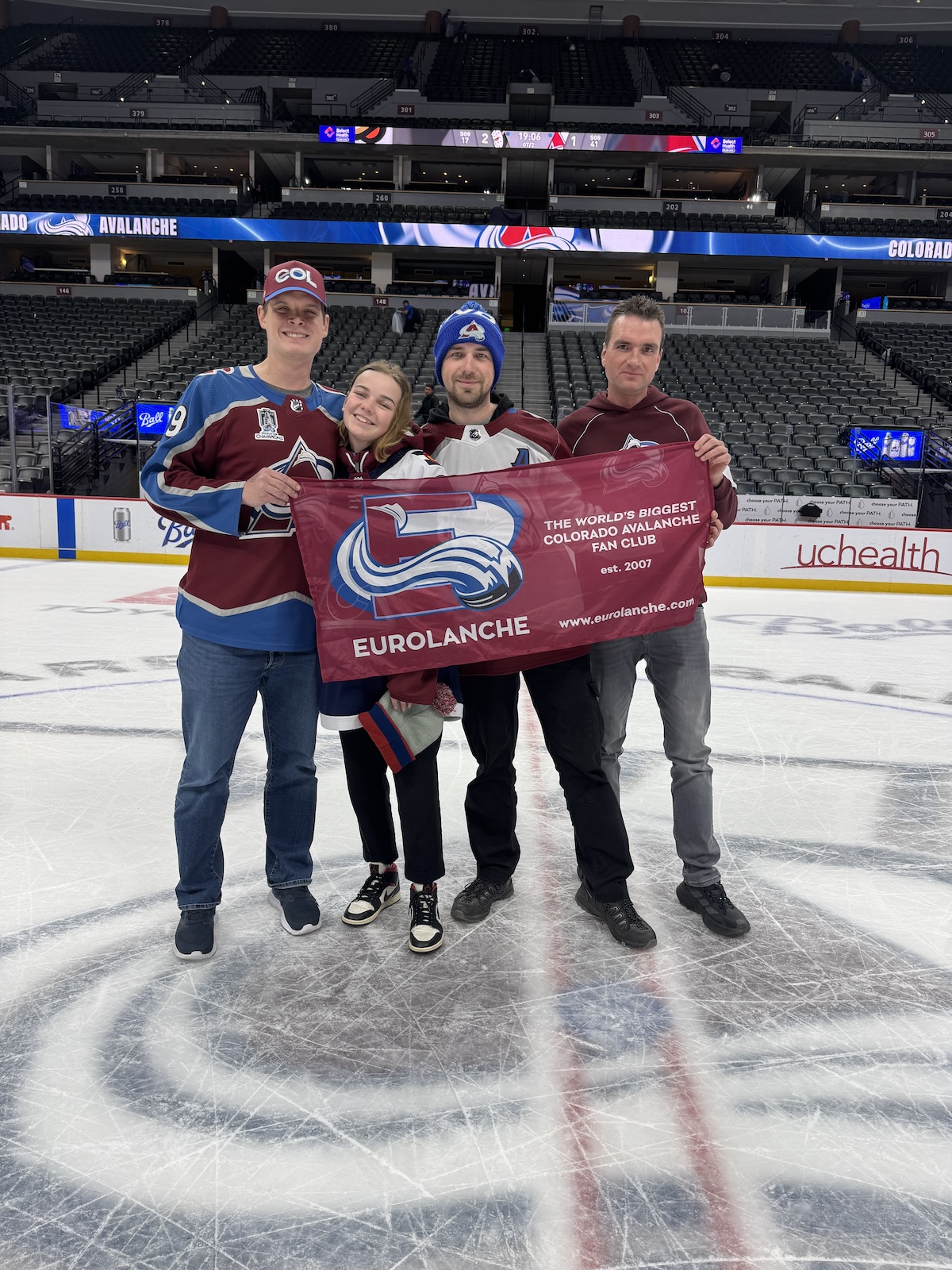
The pleasant cherry on the day was the post-match opportunity to take pictures right on the ice, which we gladly took advantage of. It must be added that if it weren't for our American friends who told us about it, because they were given such an opportunity as season ticket holders, no one would have allowed us to go there. We have known for a long time that we could not have had any other expectations from those "above".
DAY 19 - 01/20 - TRAIN RIDE IN ROYAL GORGE
This day was very difficult for us... But the program was relentless. In the morning we set off to my favorite - one of many - location south of Denver, namely Cañon City, a town known for the presence of prisons. A year ago we were there at the Prison Museum, it felt like yesterday. In the past, we visited the local bridge over the Royal Gorge twice, which is one of the top attractions. It used to be the highest retractable bridge in the world...
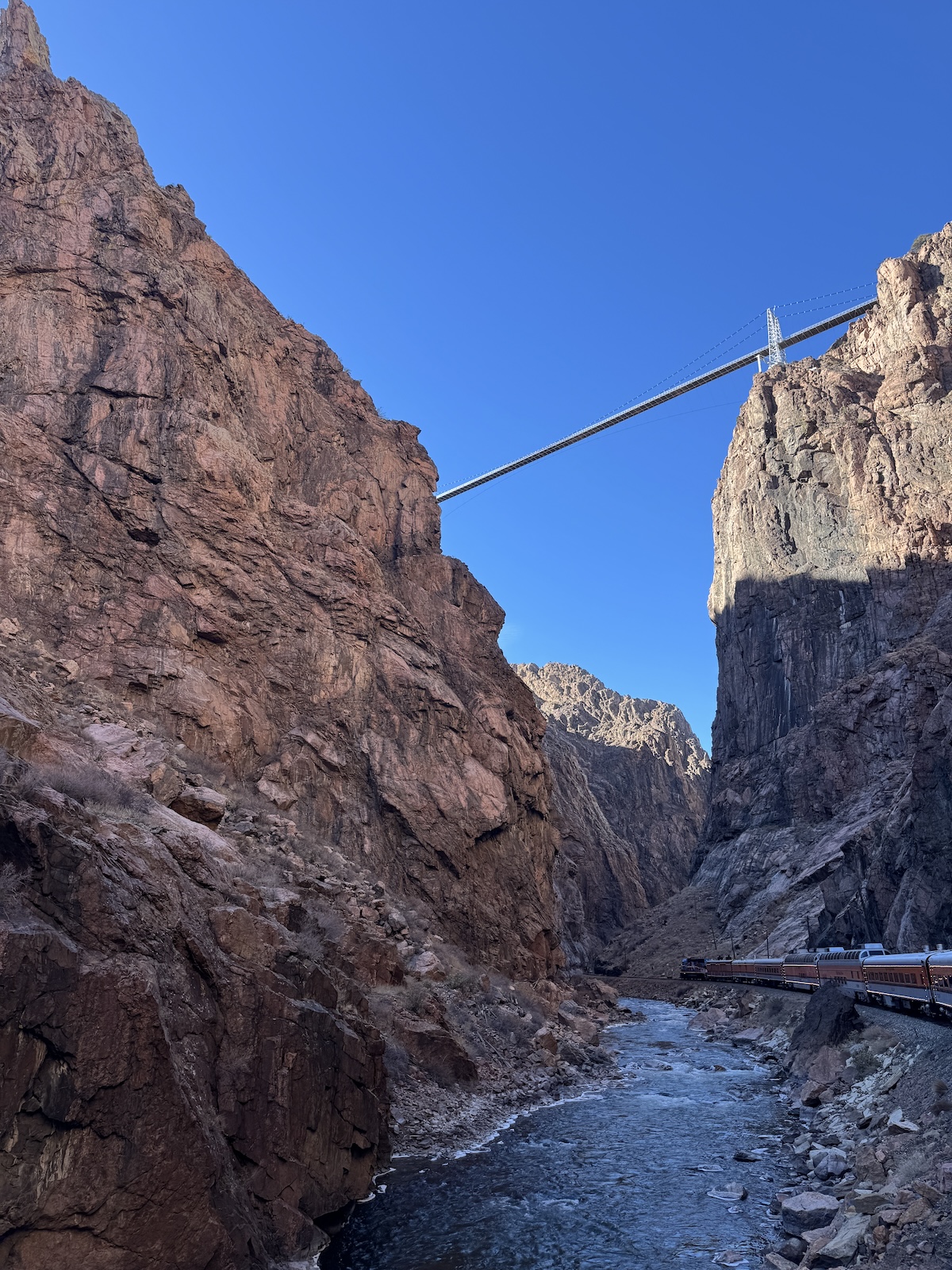
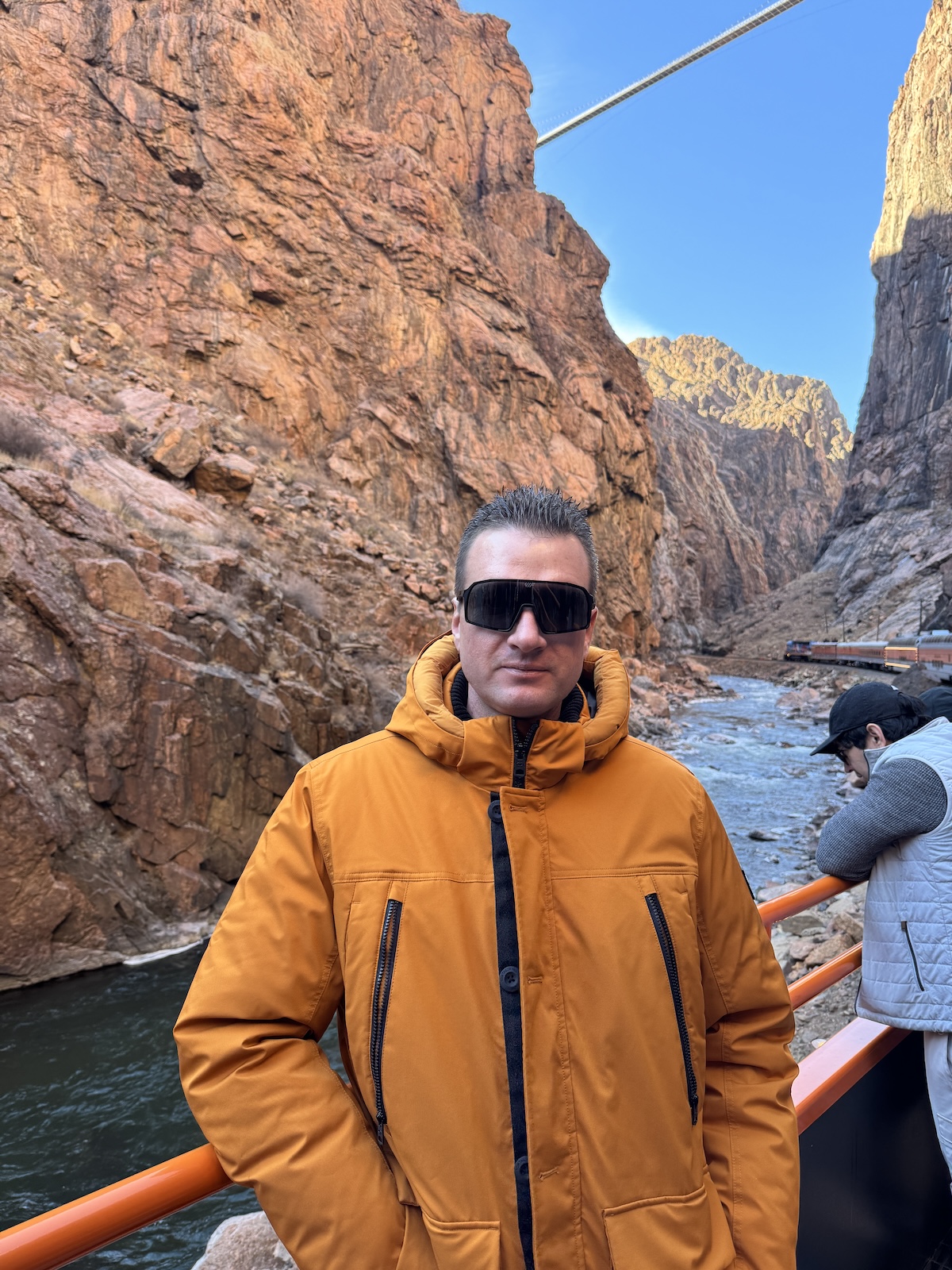
This time we chose a different type of attraction - a train ride that ended right under a bridge in a gorge. The ride was very slow, the views were beautiful, and there was music playing, which made the train an American show. You can find photos in the updated photo gallery.
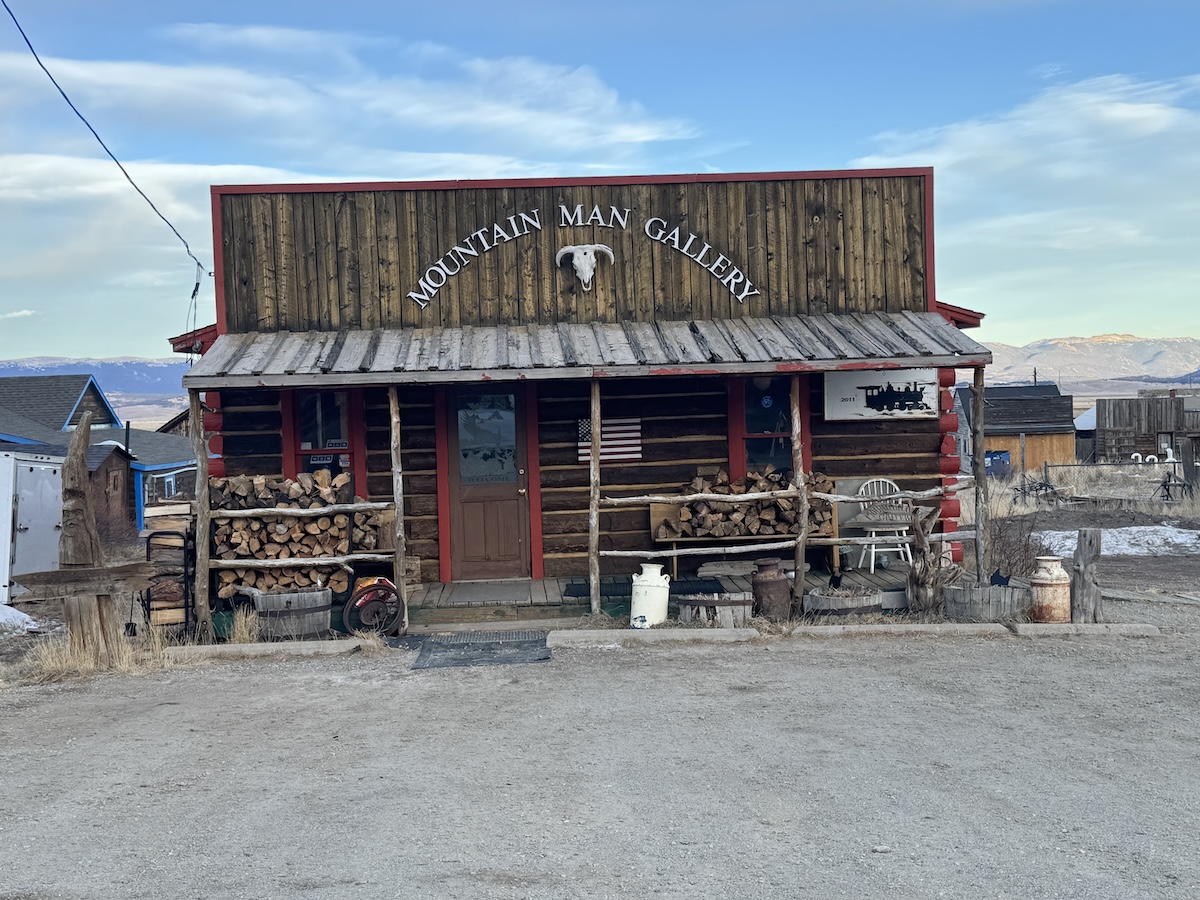
After about a two-hour drive, we headed back to Denver via the scenic route. We drove through the settlement of Guffey, a nice town of Fairplay known for its mining history, the South Park summer museum (nothing to do with the series) and shops dedicated to the famous series, and finally, for the first time, through the settlement of Como, once one of the first locations where gold was discovered in the 19th century, which caused the Colorado Gold Rush. Again - beautiful views, historic buildings and the uniqueness of each location, which would offer more specific programs on site if there was enough time.
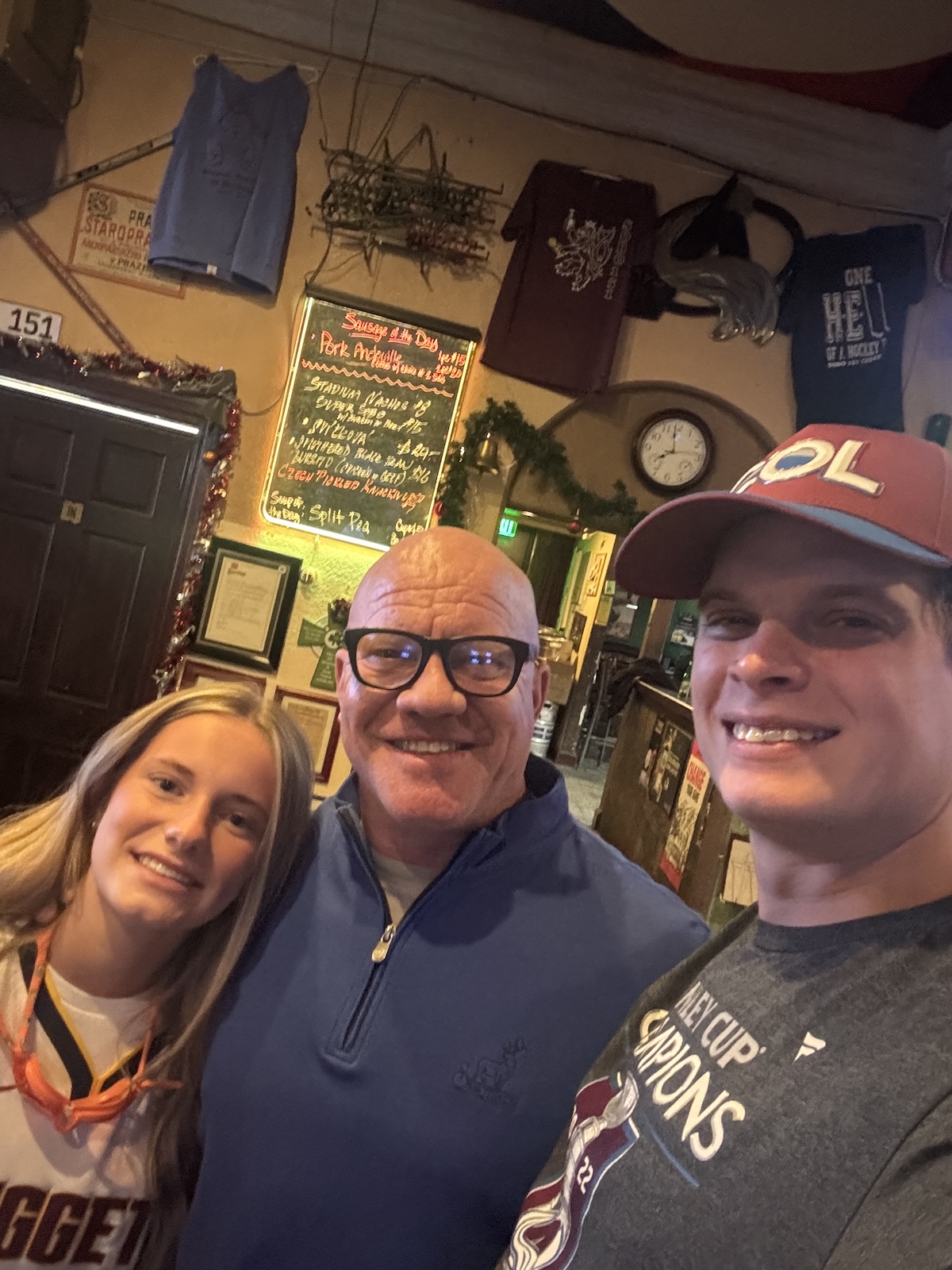
We were pretty tired though, so we ended up at the hotel pretty soon. For dinner, I stopped at SoBo 151 for dinner with Jake Schroeder and his daughter. It was a bit of an easy day, but we spent most of it traveling. No lying in bed.
DAY 18 - 01/19 - A DAY IN DENVER AND A BIG PARTY
After a day trip to Aspen and the hot springs, we took a break in the form of activities in Denver. Tomáš went shopping as usual, Robo and Eliška checked out the Denver Aquarium, and I went to a history museum for the first time. Everyone had their own thing to do.
I have to tell you that the History Colorado Center has become the best museum in Colorado I have ever visited and everyone should consider visiting it on their next trip. It is the only way to get to know and understand the state of Colorado. Of course, history may not be for everyone, but the individual exhibits were prepared in such an interesting way that everyone would choose from them.
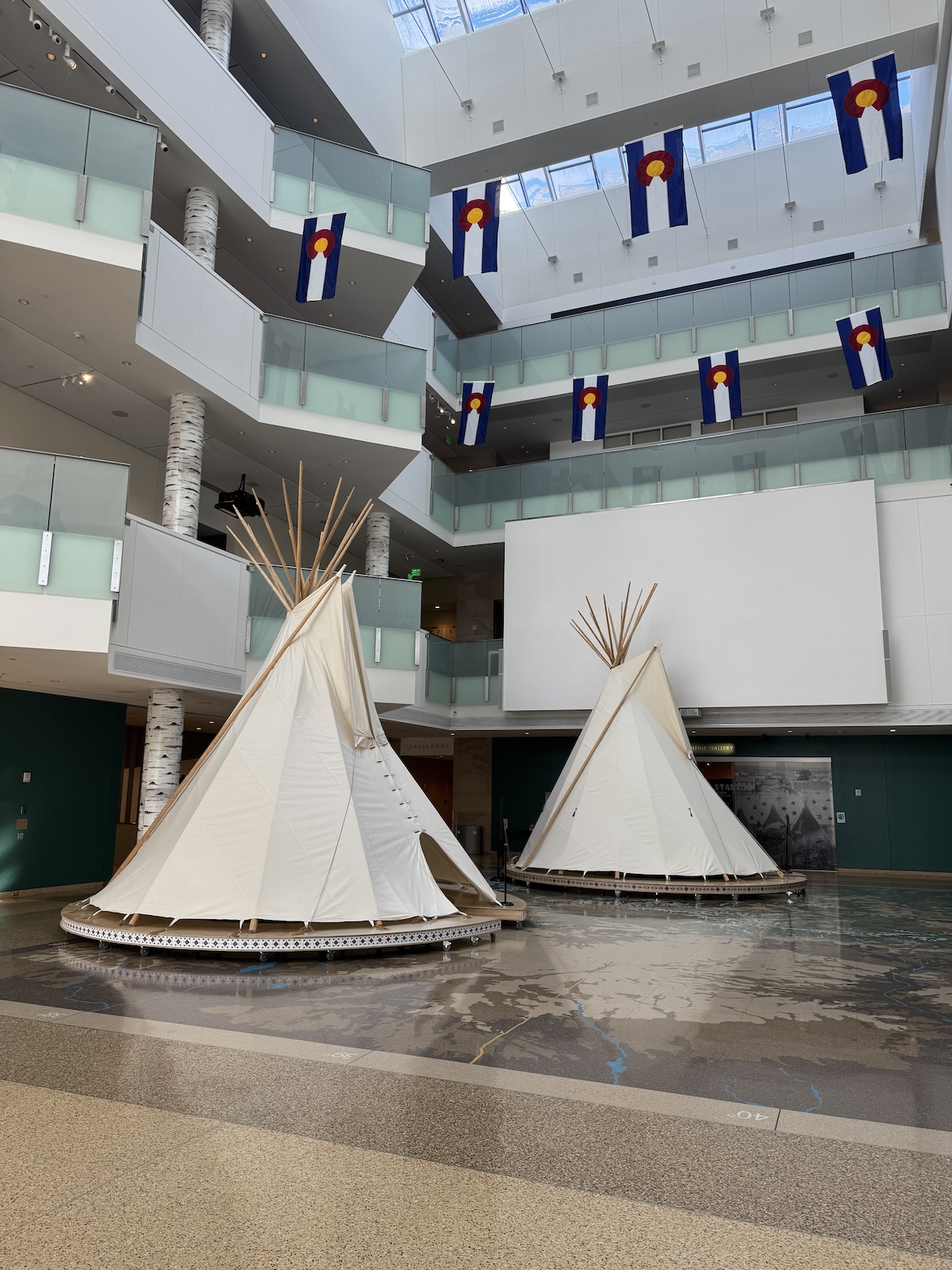
In addition to the Colorado state flags hanging from the ceiling, I was intrigued by everything I saw, including a replica of a town from the Colorado's Eastern plains. I started with the exhibition of the Sand Creek Massacre. This is a tragic event from 1864, when members of the American army massacred hundreds of defenseless Indians. I am glad that even such dark history with a detailed explanation can be remembered by Coloradans and they can admit their mistakes from the past. I wish something similar worked in Slovakia, but when I think about it, not only here, but also in the USA, there are people who even defend similar sins of their ancestors.
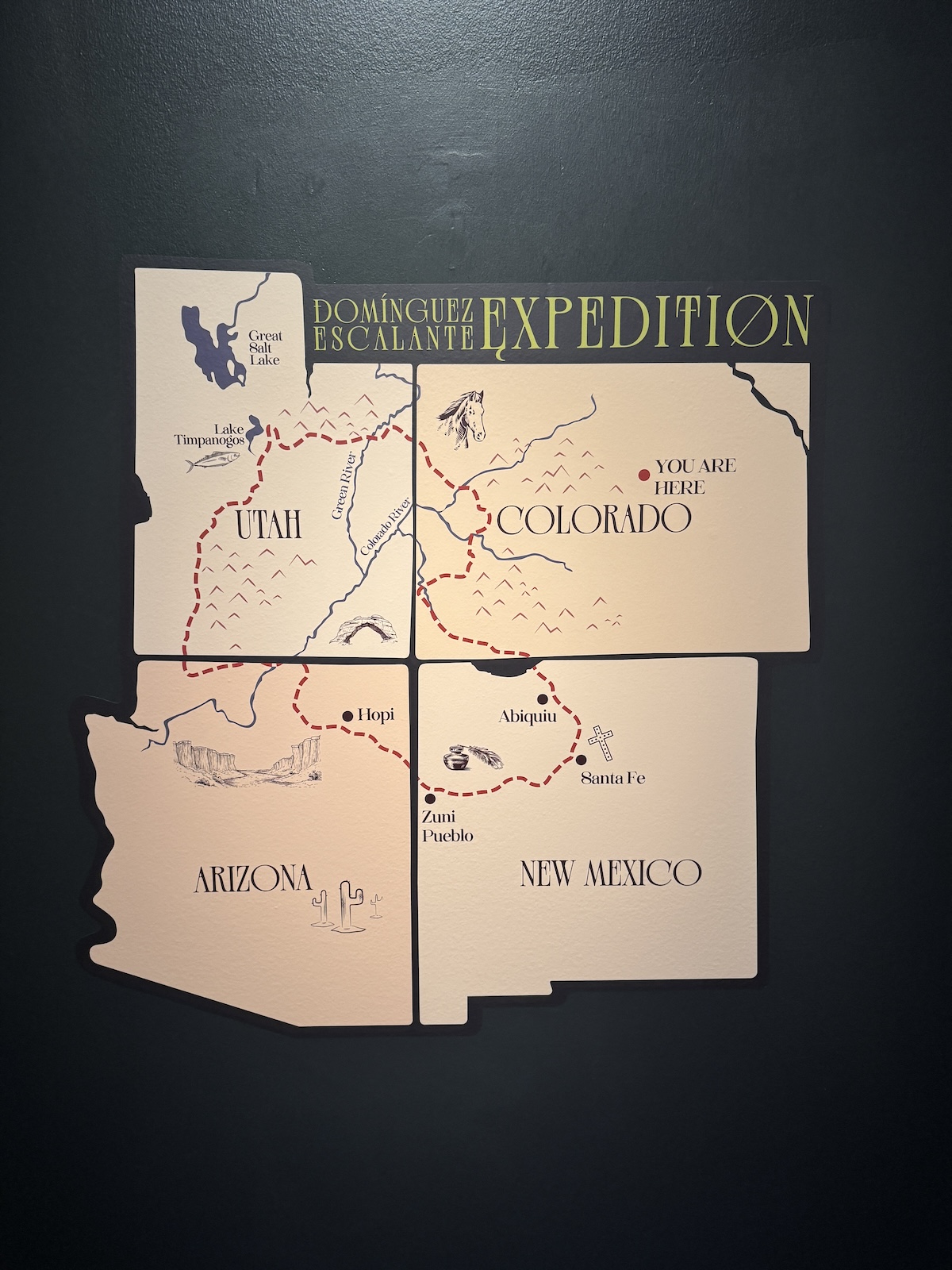
I also didn't miss the exhibition of The Centennial State in 100 Objects. The curators sensitively selected exactly one hundred large and small objects that represent this state, which has the nickname Centennial, since it became part of the USA in 1876, 100 years after the formation of the Union. The sympathetic cross-section once again managed to capture the diversity of Colorado to the last detail. I didn't have time, so I just flew past the other two larger exhibitions - they concerned the city of Denver and the discovery of this region by Spanish missionaries.
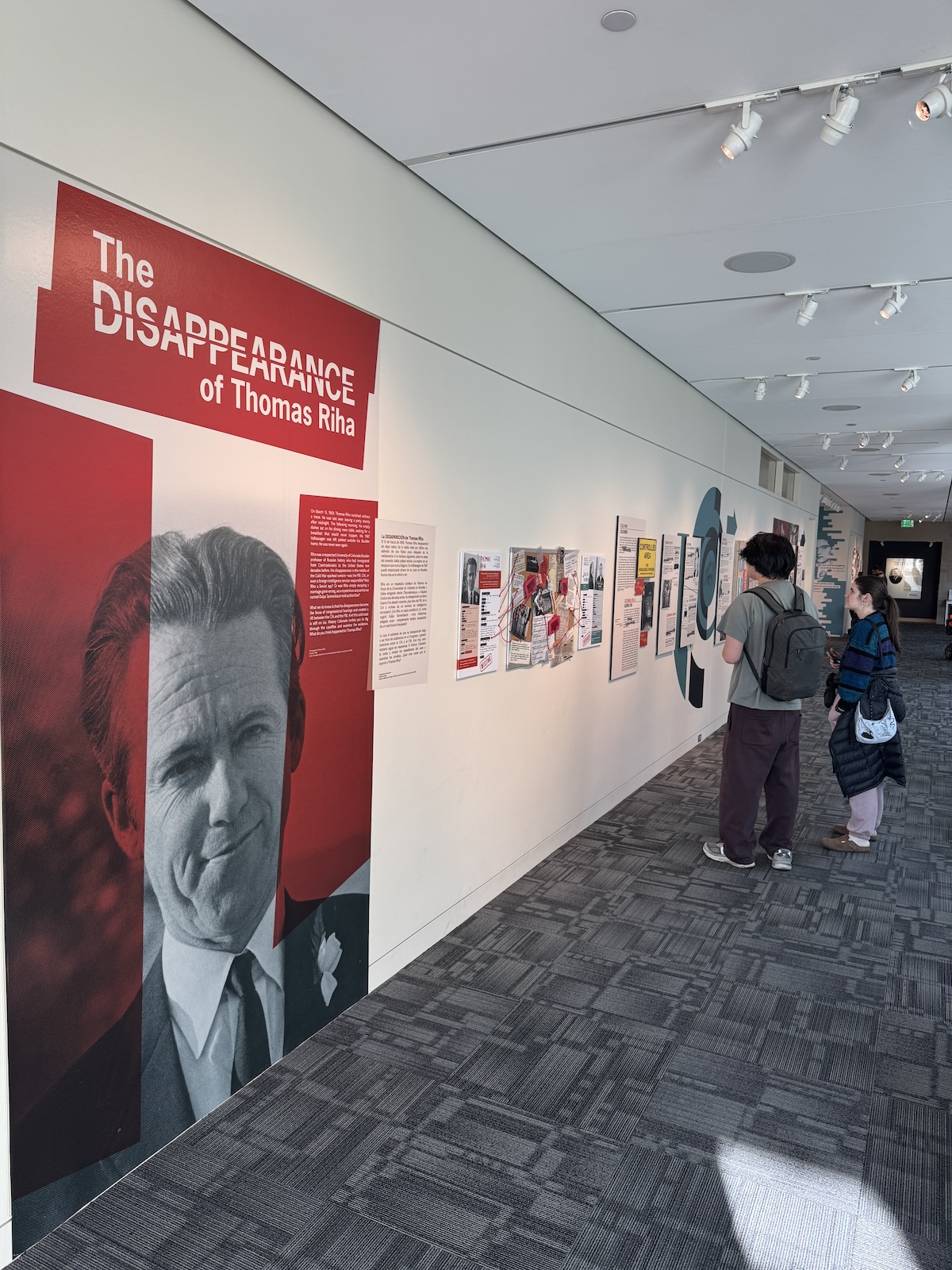
I had enough time left for two mini-exhibitions. The first one I already wrote about in the introduction to this entire diary and it concerned the first air accident using a bomb in the USA in commercial aviation. The second brought a Czechoslovak clue that I knew about in advance. Visitors could learn about the shocking and mysterious disappearance of Professor Thomas Riha, born Tomáš Říha, a Czechoslovak professor who made his way from Prague to the USA after World War II, made a name for himself in the world of science, worked in Boulder, but one day in 1969 he disappeared. His body has not been found to this day. When I learned about this story over a year ago, I planned to write a book about it. I contacted some important people, but I found out that such a book already exists. "Cold War Secrets: A Vanished Professor, A Suspected Killer, and Hoover’s FBI" by Eileen Welsome perfectly describes the whole mystery, offers a rational resolution, and even talks about why the FBI fell out with other intelligence agencies over this case. You can see how much I liked the museum, how many lines I devoted to it...
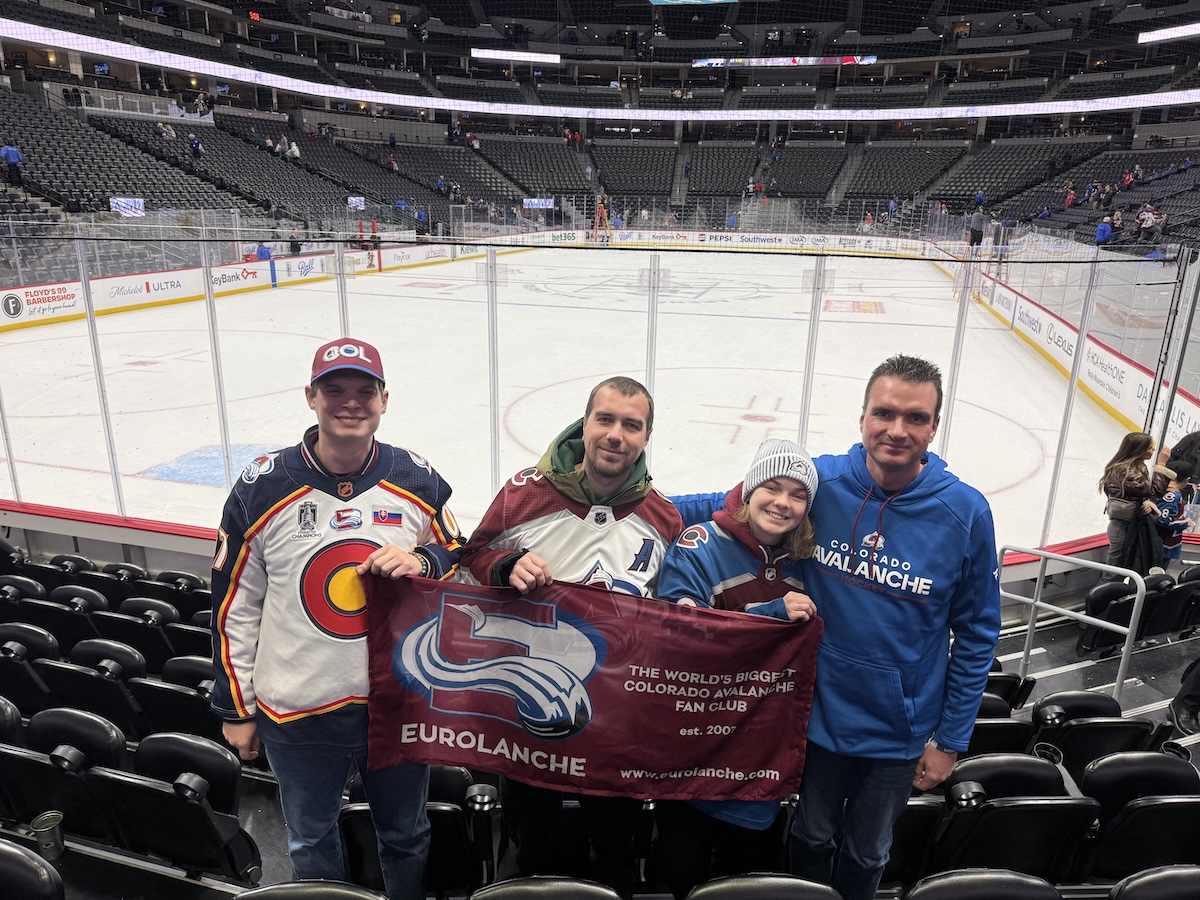
Another early game followed, starting at 2:00 PM. Colorado beat Washington 5-2, finally after two previous losses. Then we went to see Ken at the Ballmer Peak bar. I decided to become their member for a small fee. The fee is usually paid for a year, but since I'm not a local and don't travel to Colorado more than once a year and God knows when I'll get there next, the owner and I agreed that my membership would be valid for three years and I would be the first international member of the bar! Membership has a number of benefits, a free shot with every visit, a birthday drink (in my case, one per trip), and so on. In addition, I received a captain's cap as a souvenir, further strengthening my ties to Colorado.
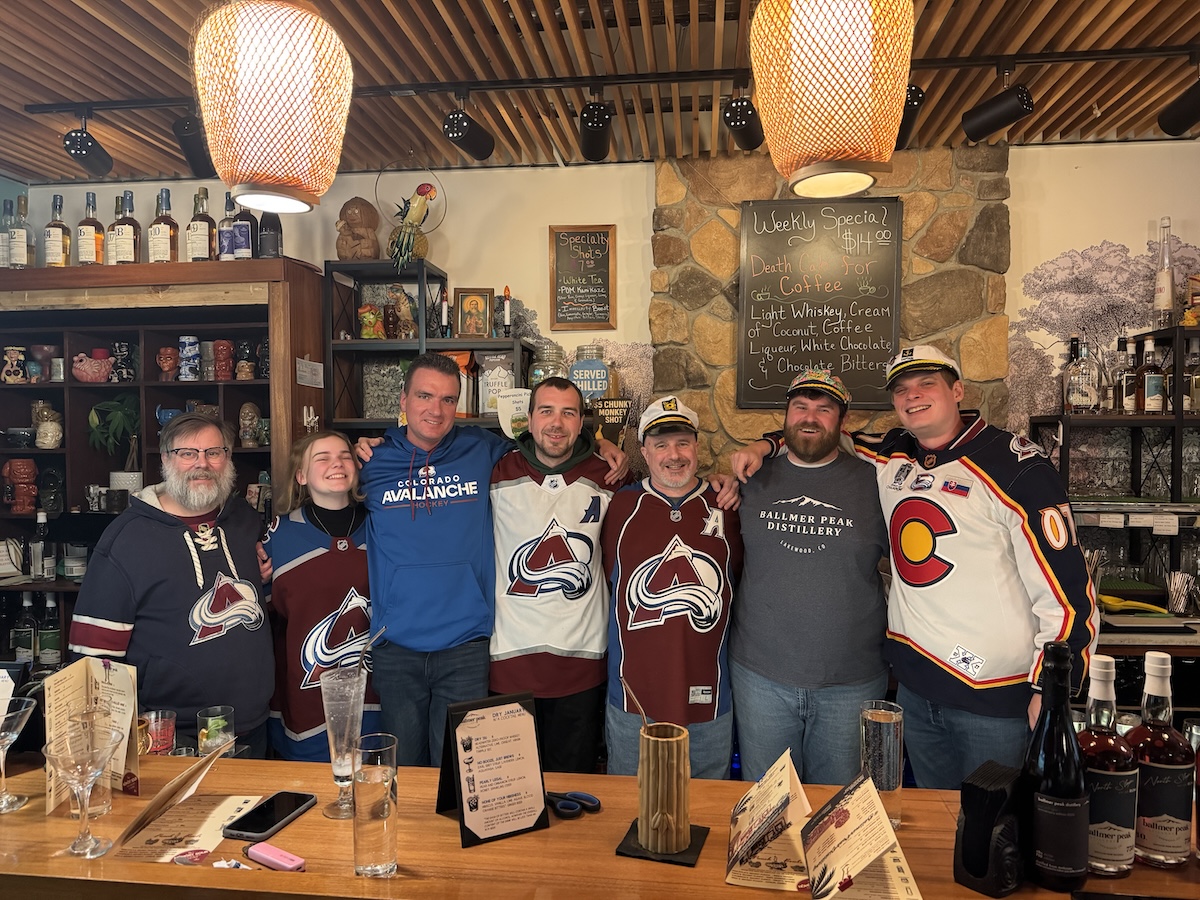
This entire evening was marked by celebrations and memories of previous Eurolanche events, including the memorable Stanley Cup finals victory watch party in Brno, Czechia. I must admit that it was a tough night and an extremely difficult morning or even the entire morning of the next day...
DAY 17 - 01/18 - ASPEN & HOT SPRINGS
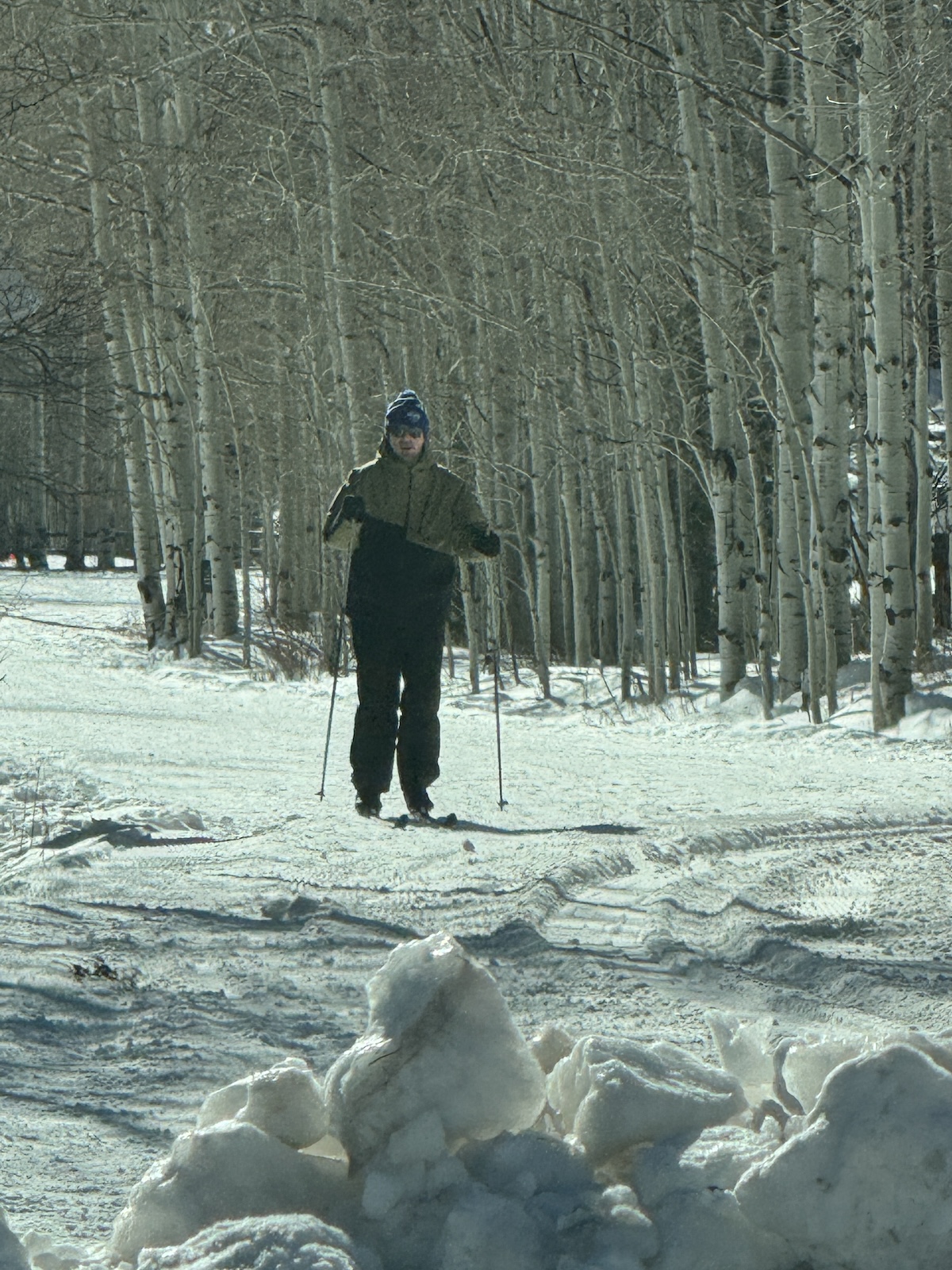
We couldn't stand being in Denver for more than one day (like a day without constant moving around), so we went on another day trip. Shortly after five in the morning, we set off for the most famous winter resort in the world - Aspen. The trip took us about three hours. At the first stop, the Czech half of the group rented complete cross-country skiing equipment. Thanks to Tomáš, the Slovaks could afford to rent a new type of snowmobile, which, with a single scoop in the front, resembled a scooter.
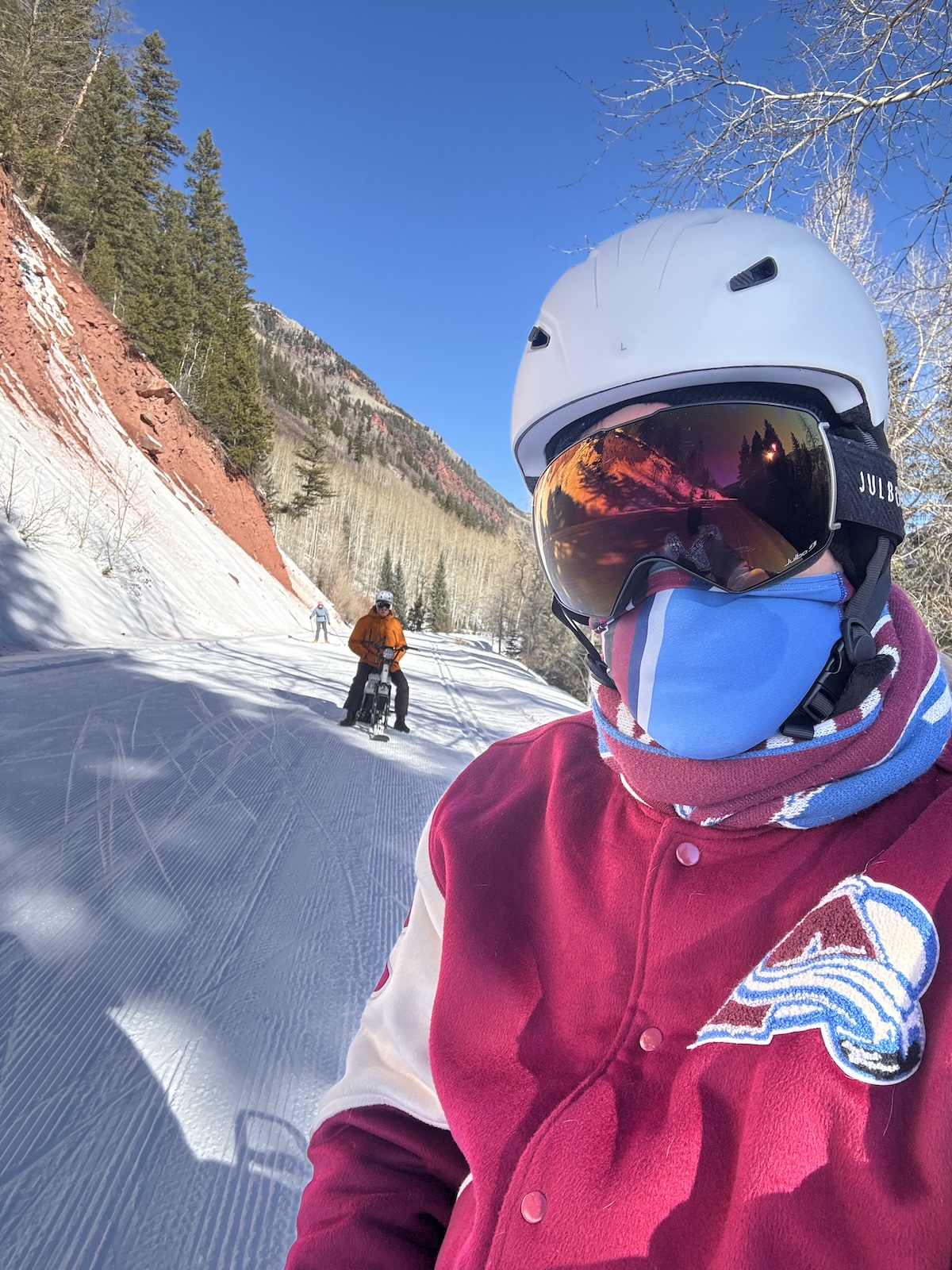
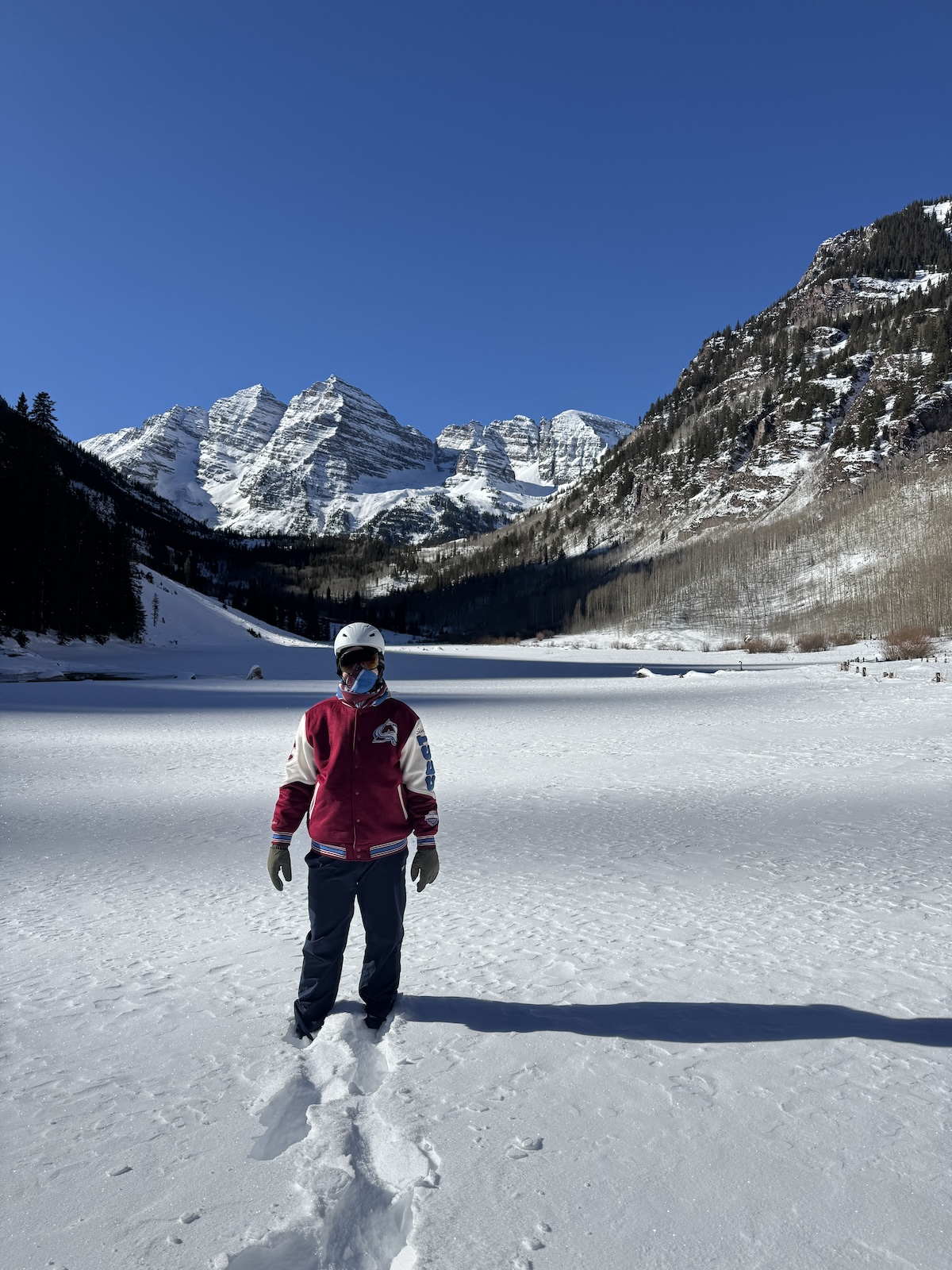
Our common destination was one of the most famous locations in Colorado - Maroon Bells. Mountains surrounded by a lake, which provide famous views, especially in the summer.
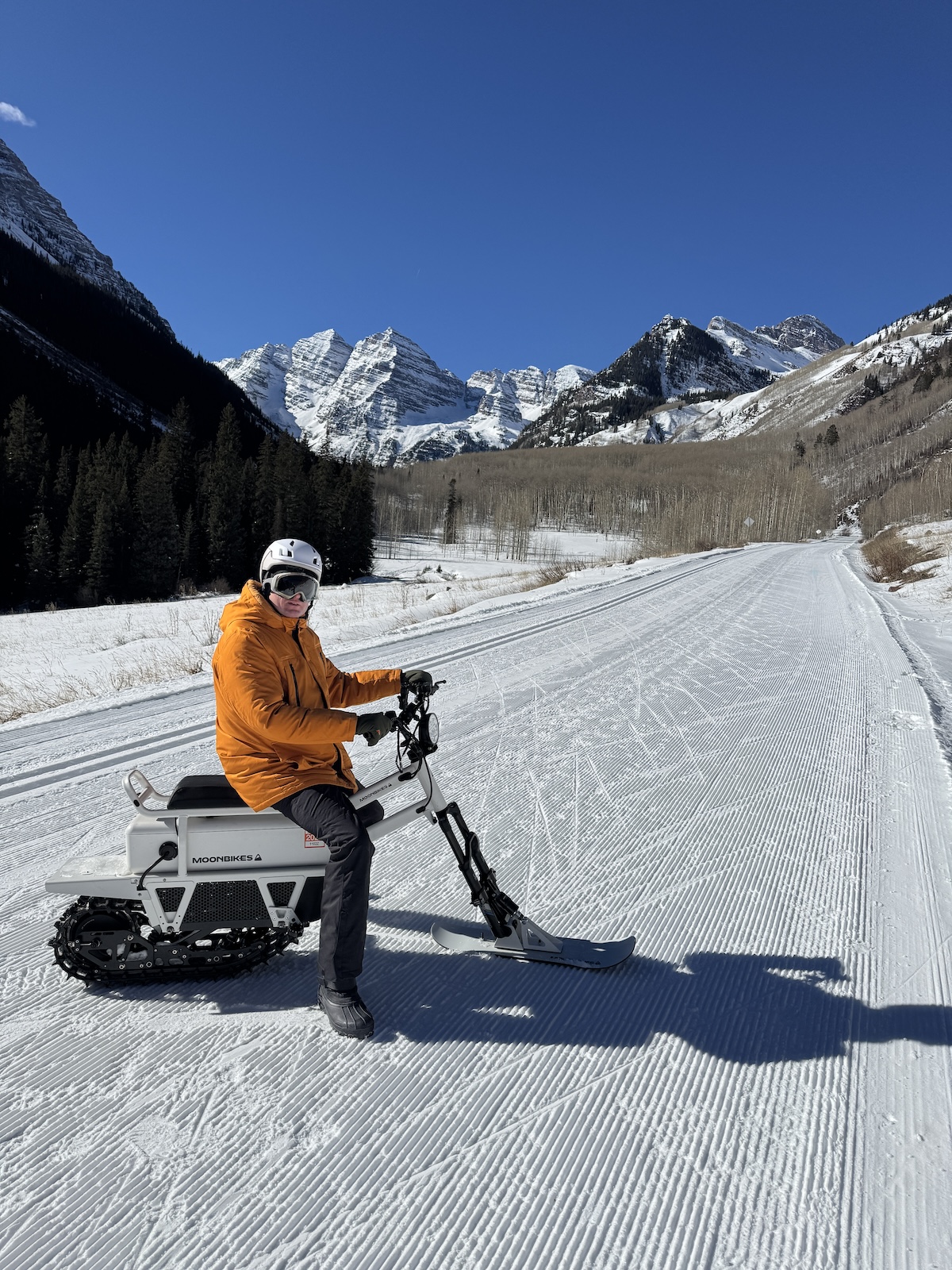
The Czech half of the group got the advantage, as they had to push themselves, but the scooter ride wasn't exactly easy either, especially the hands took a lot of work. After about an hour of riding, Tomáš and I reached the finish line and took photos slowly as if we were at the South Pole. On the way back, I helped Eliška and took her there and then to the starting position, even though I had to break the rental rules a little. In any case, she gave a performance that I wouldn't have given myself...
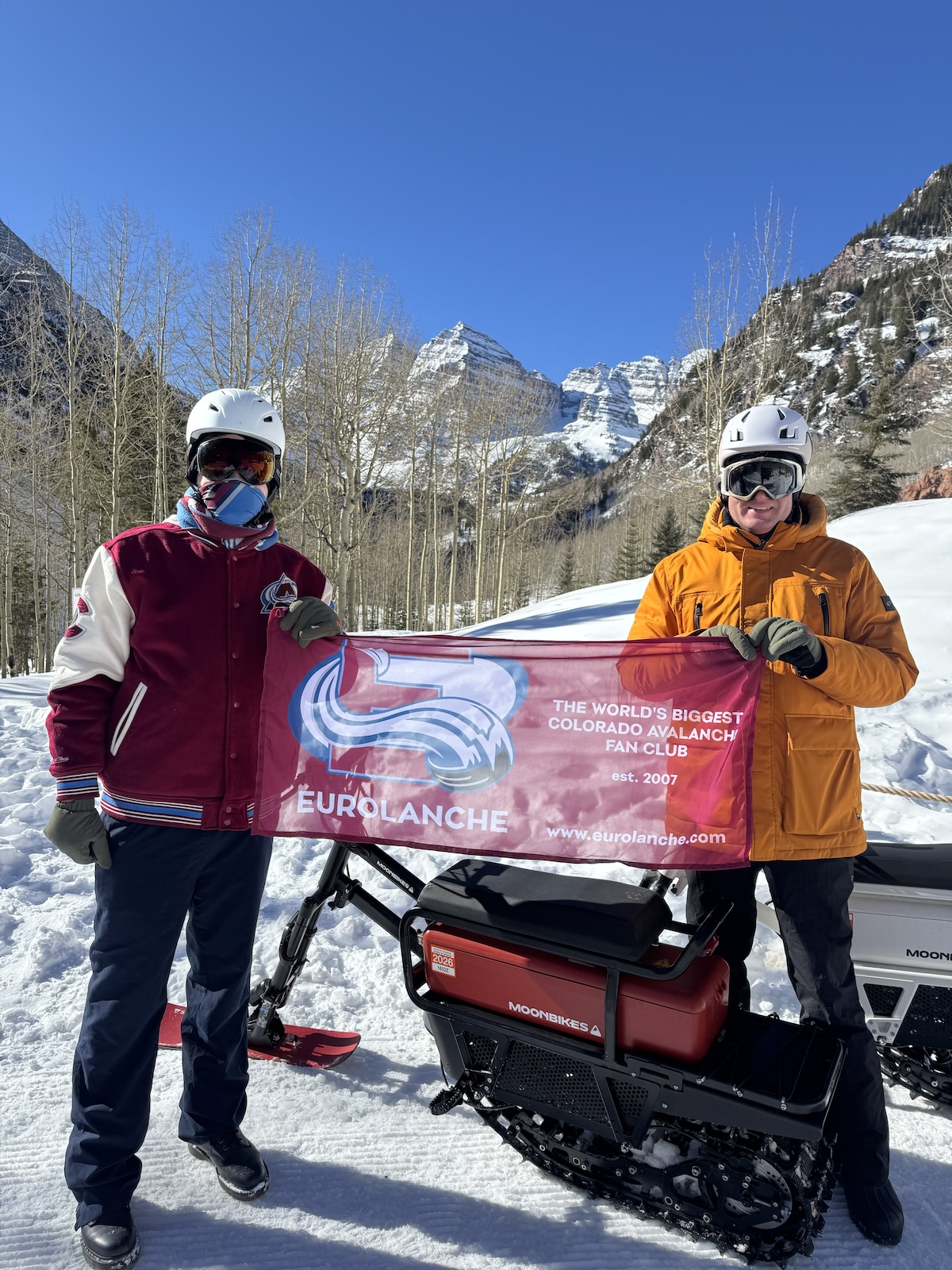
And Robo? So he became the first member of Eurolanche to complete the entire route there and back alone in less than three hours. He performed an incredible feat worthy of admiration. Before that, we had only tried to complete the same route once, a few years ago, all on cross-country skis, but we didn't even get halfway...
For lunch we went to downtown Aspen, where we saw the high scenes of this city. We also went to the start of the slope, where I symbolically treated myself to a twelve-dollar glass of classic Colorado whiskey Stranahan's at their authentic branch. Both Tomáš and I posed with the same glass so we could have some kitschy photos, it must be fun.
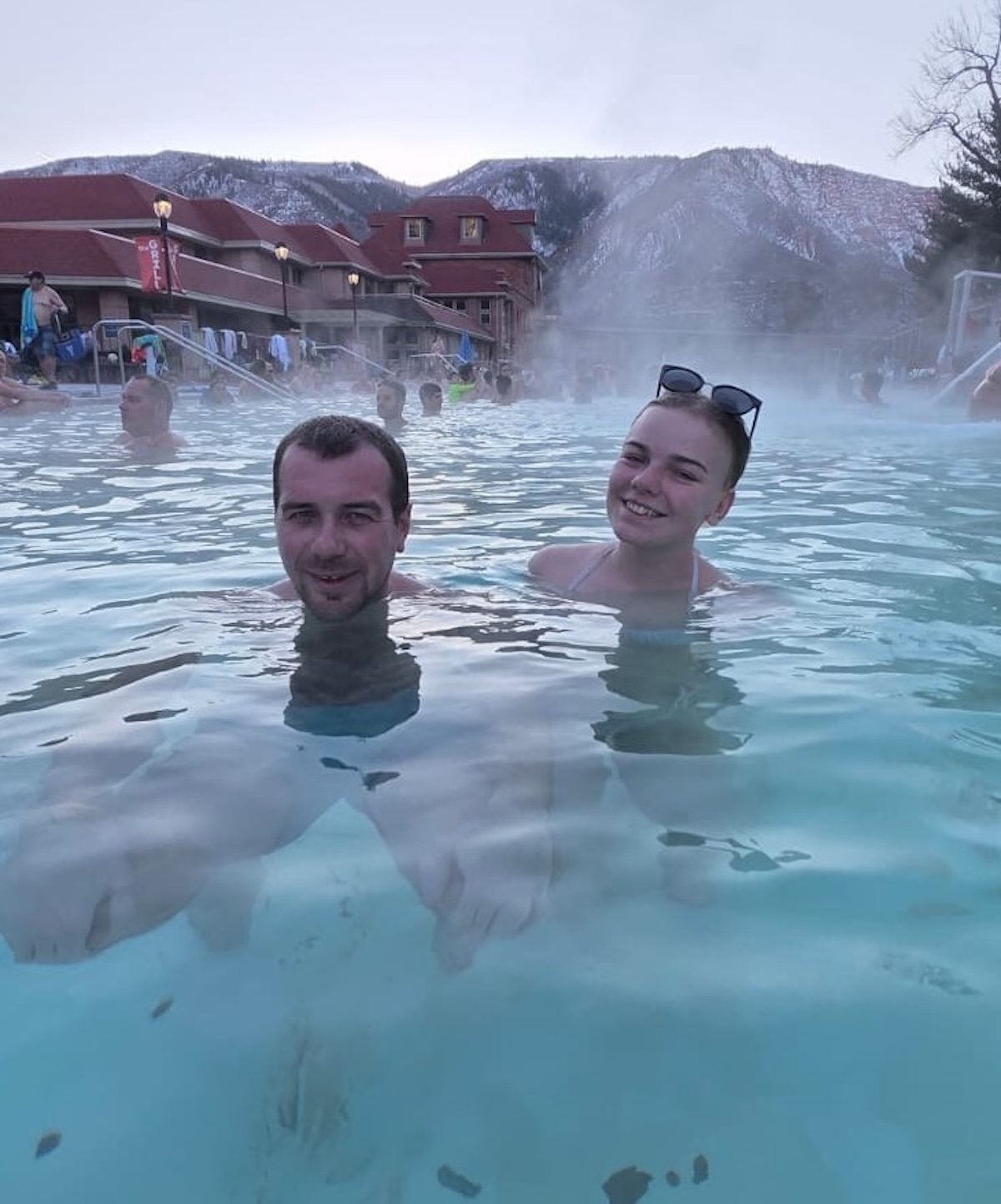
After about an hour of driving towards Denver, we stopped at Glenwood Hot Springs, which, as the name suggests, is a hot spring and the largest open-air spa in Colorado. The huge pool was joined by smaller ones with different temperatures. It was a well-deserved break and a nice end to an even more beautiful day.
DAY 16 - 01/17 - SPORTS-SHOPPING-EDUCATIONAL DAY
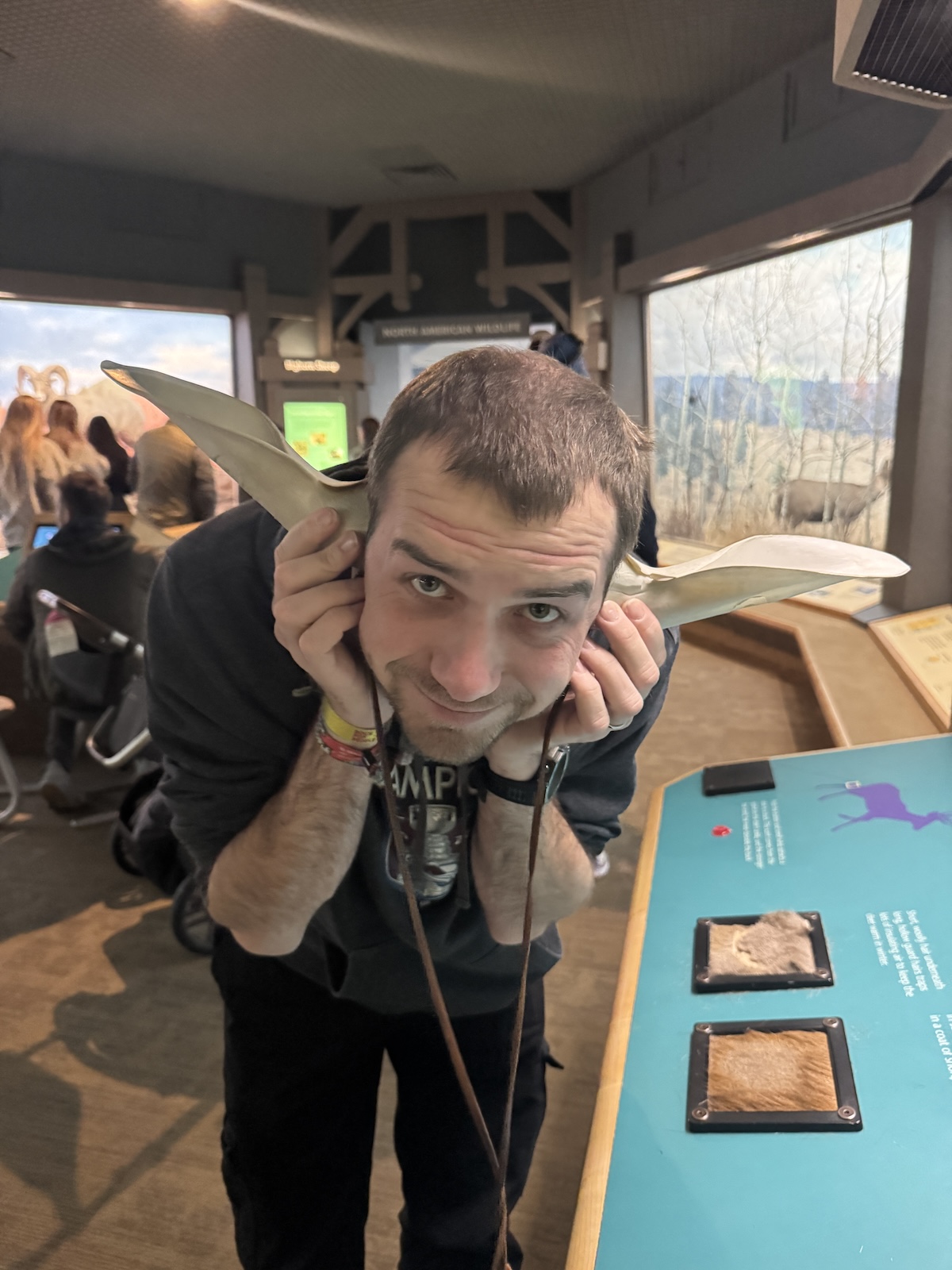
After a long road trip, we needed to slow down a bit. But just a little. In the morning, our steps were directed to the Denver Museum of Nature and Science. We saw mammoths, dinosaurs, a cross-section of Colorado's nature and animals, crystals, LEGO models...
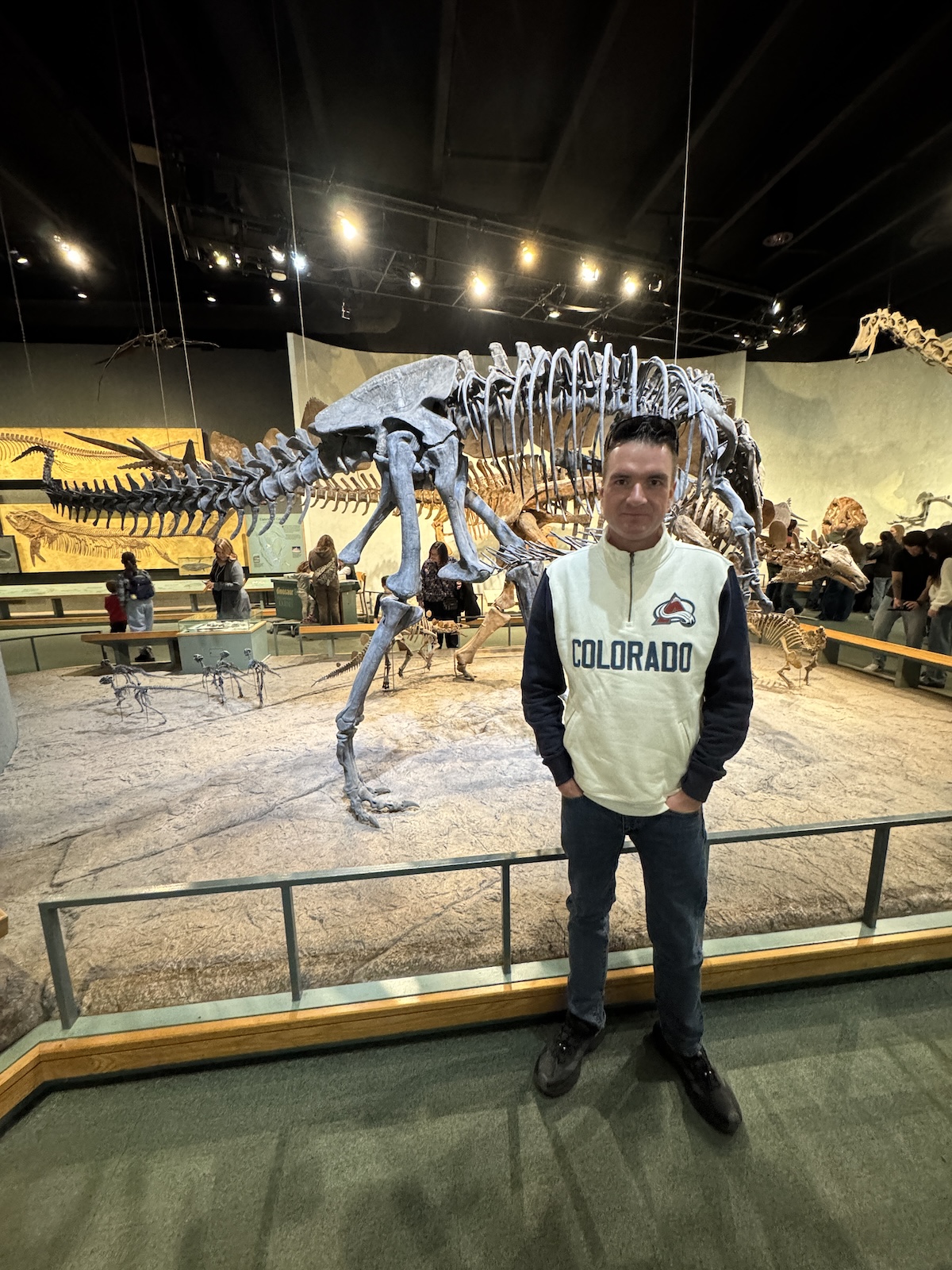
I have to honestly admit that out of all the museums, this one disappointed me the most. Some of the exhibits were worth it, but the overall impression was lukewarm, partly due to the huge, empty spaces. The top experience was mainly the view from the museum's terrace of the nearby lake and downtown Denver.
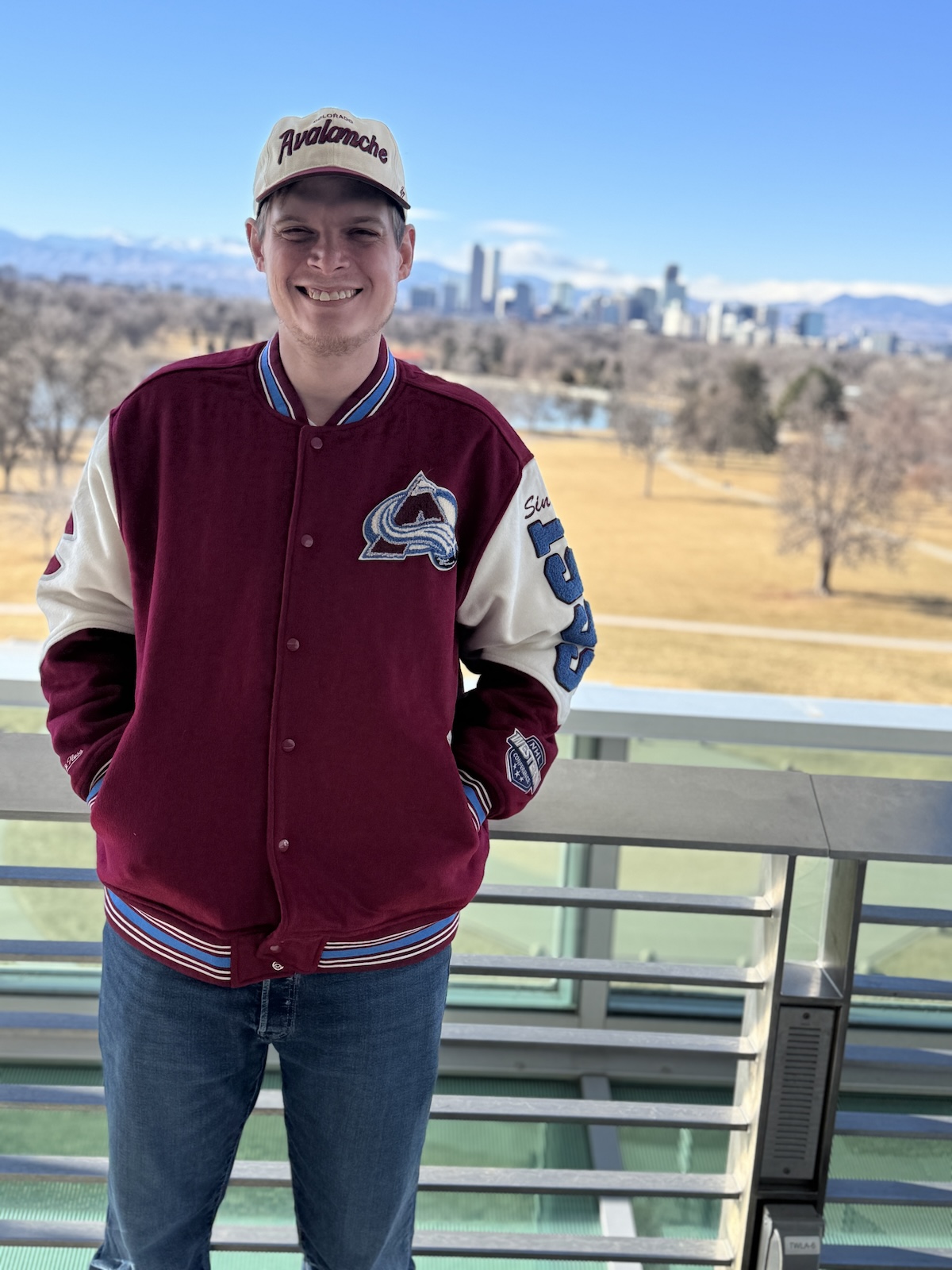
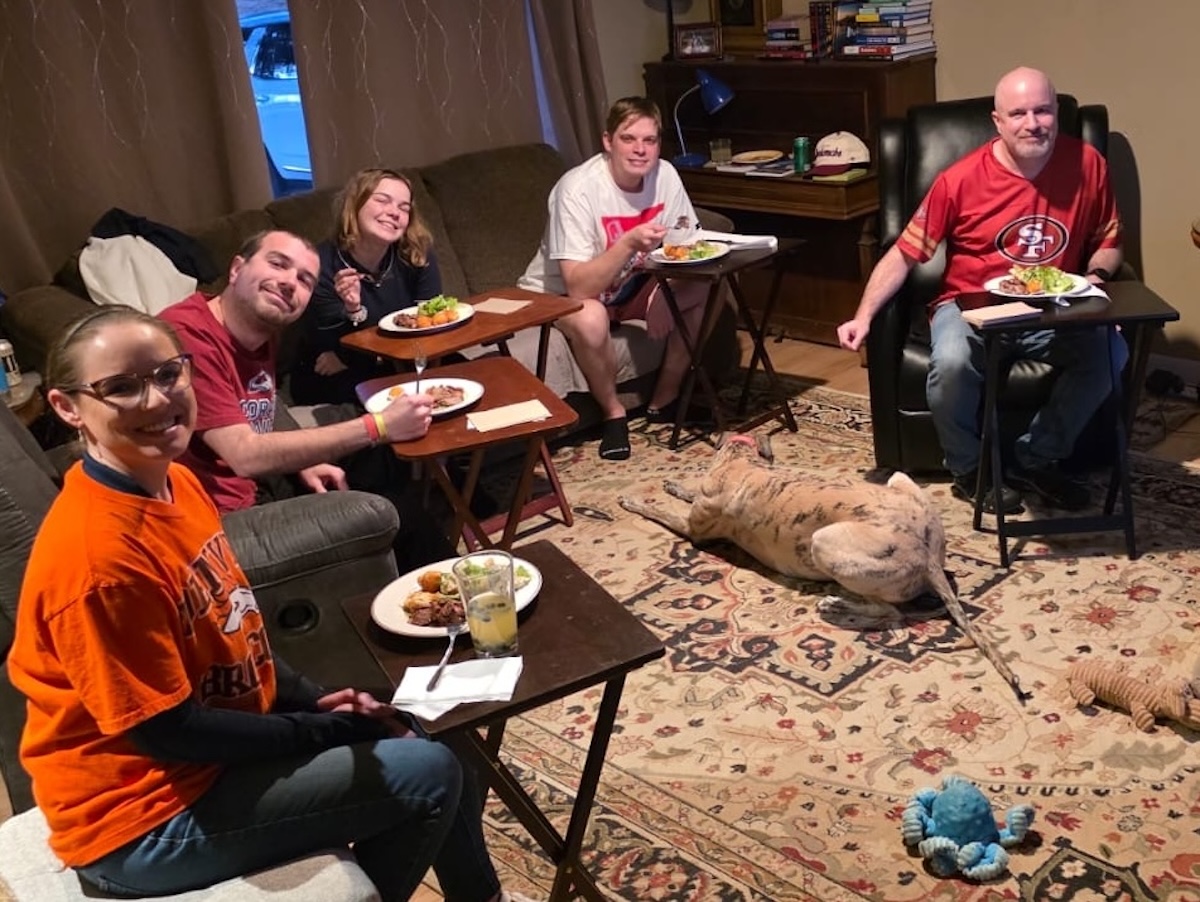
We spent the rest of the day at Ken's, who once again prepared a fantastic meal. First, we watched the NFL Denver Broncos advance to the next round of the Superbowl. Then Tomáš went shopping, Robo and Eliška went to the only NBA game of this trip (Denver Nuggets). I chose to stay in one place and continue to relax, which was associated with watching the second NFL game in a row. For Ken, San Francisco was not enough for the eventual overall winner from Seattle.
It was our 16th day of the trip, with another week of the Final Leg left. Everyone had their own thing to do, but there were still a lot of activities ahead of us.
DAY 15 - 01/16 - RETURN TO COLORADO
We woke up at dawn to the beautiful scenery of the Utah mountains. The motel itself was set into this landscape in an incredible way. The views were unreal. It’s all worth checking out in our photo gallery. We had to get up pretty early because we had a nearly 10-hour drive to Denver ahead of us and the Avs’ evening game starting at 7:00 p.m.
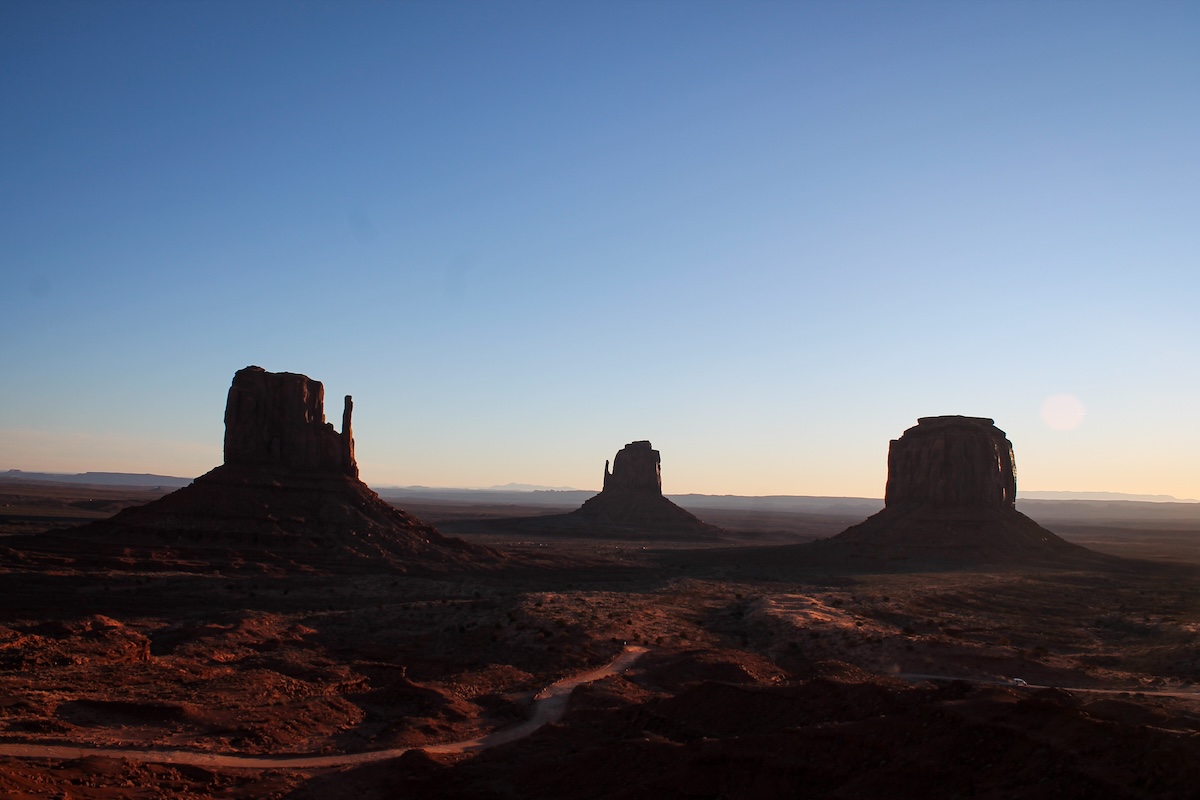
After a brief stop right in nearby Monument Valley, we drove just a few minutes to see and take photos of what is probably the most famous section of the area in the whole world—the road along which Forrest Gump ran in that famous scene.
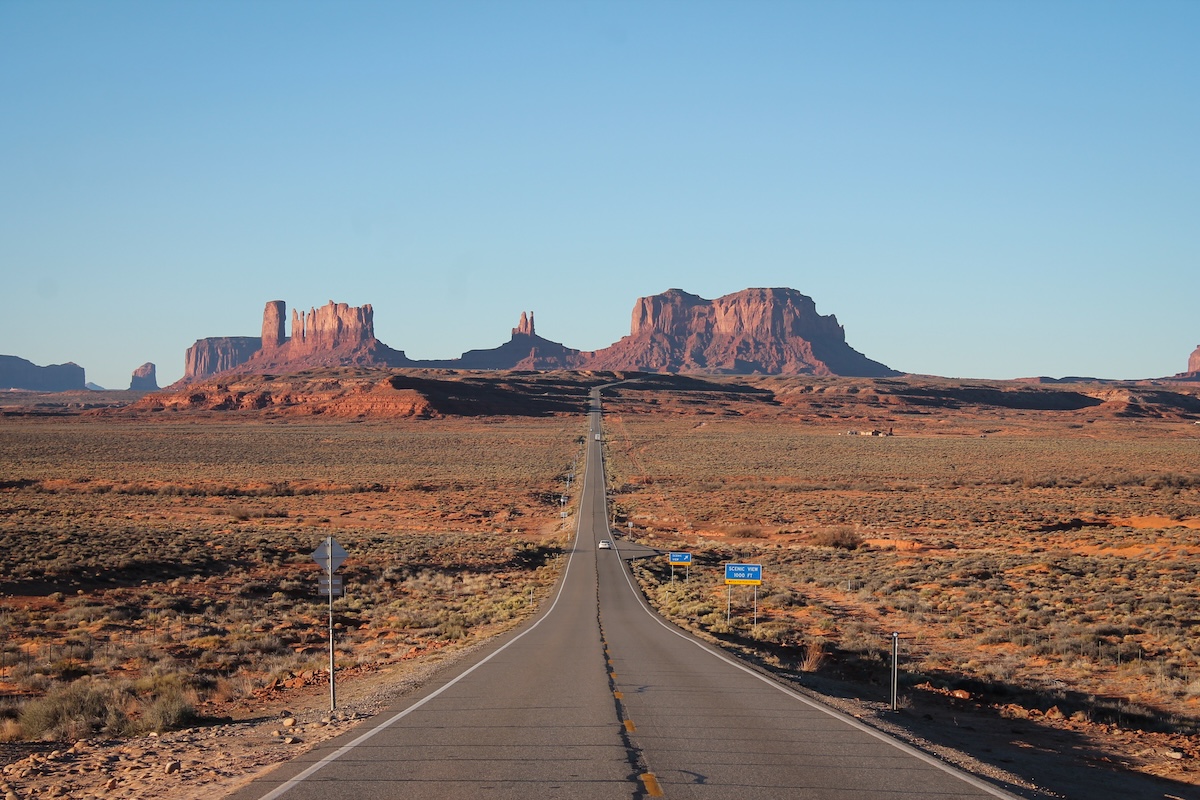
We were traveling through the southeasternmost part of Utah, which was a real gem. We saw hot air balloons floating in the sky from some kind of festival; we couldn’t miss the famous Mexican Hat rock formation or the ubiquitous Native American villages, isolated outposts in the desert. In Utah, we traveled through the Navajo Reservation; in the southwestern corner of Colorado, we came across the state’s only two reservations (Ute). I watched in amazement at the various dwellings in this inhospitable environment, where life and time must have flowed very differently than in bustling big cities. This was definitely not the fast-paced New York.
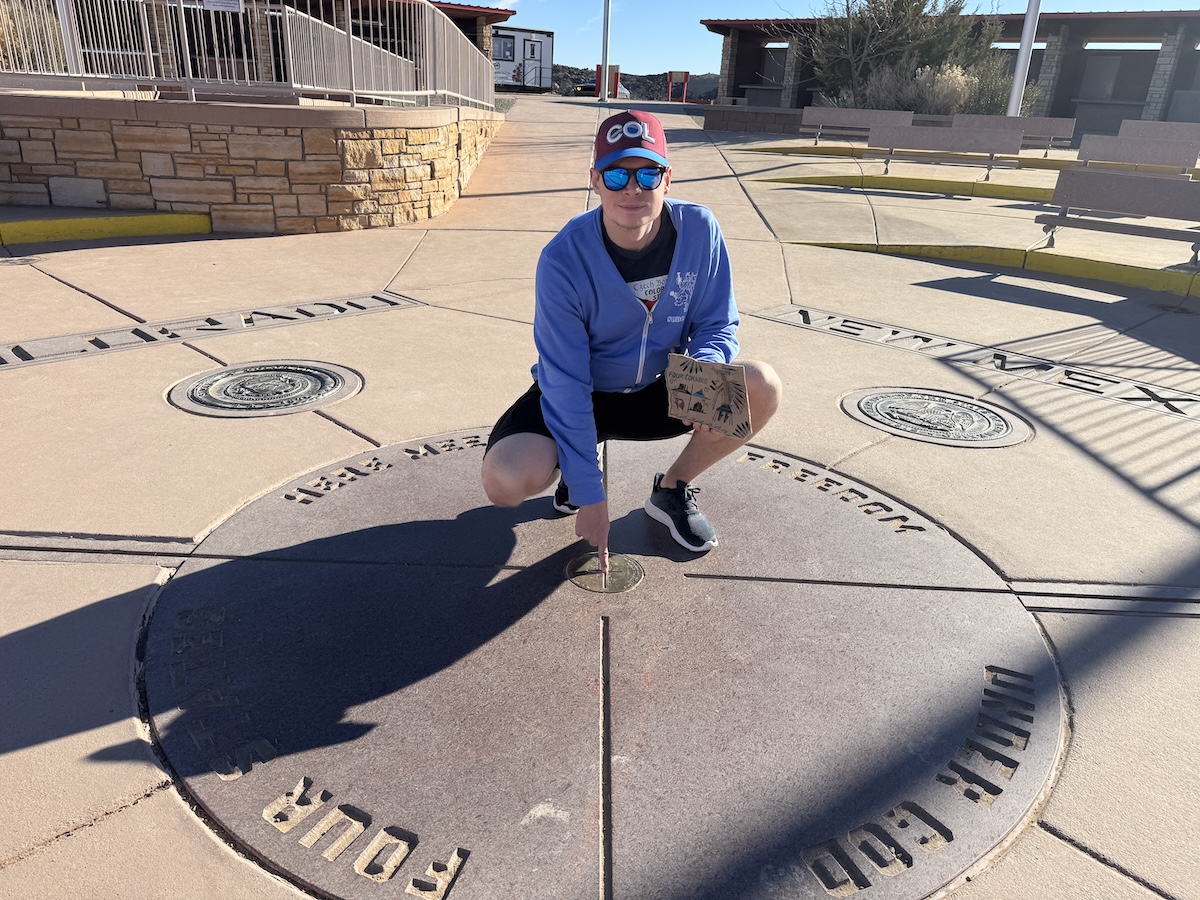
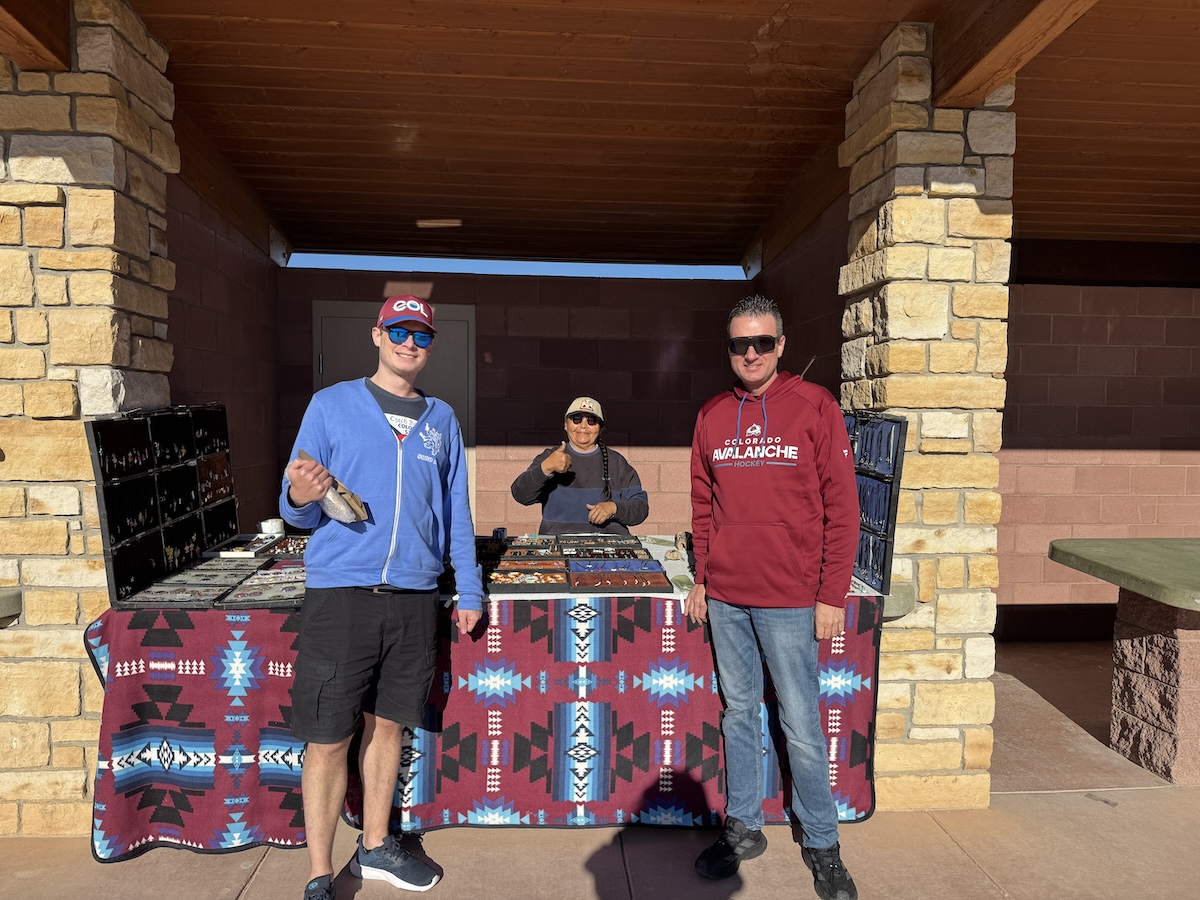
After about an hour and a half, we arrived at the only four-state border in the U.S.—the point where the borders of Colorado, Utah, Arizona, and New Mexico meet. Right around this point, which is clearly marked, there are stone booths where, during our visit, Native Americans were selling various souvenirs, some of which they make themselves. We found some great items there. I bought a patch depicting this border point and later had it sewn onto my jersey as a symbol of Eurolanche’s travels across the USA. I also brought home a heavy stone engraved with a drawing of this area. I was thrilled by the whole setting and imagined what it would be like to live there. Some might say it’s the end of the world and a tough life, but the peace and quiet...
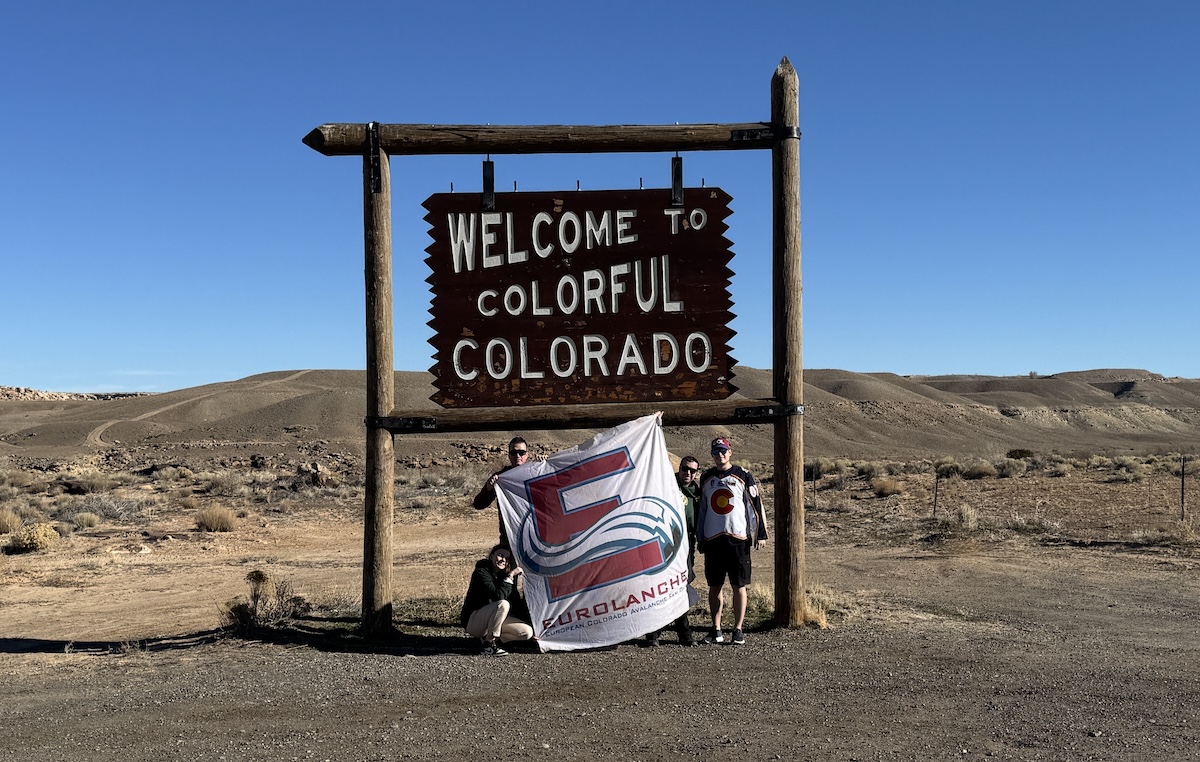
We had to take a photo in front of the "WELCOME TO COLORFUL COLORADO" sign and continued on our way through our "home" state. We had lunch in Durango, where we could really feel that we were in southern Colorado, where the culture and atmosphere are completely different. The older cowboys, who looked like they were from 100 years ago and were sitting at the bar, were one of the unplanned attractions.
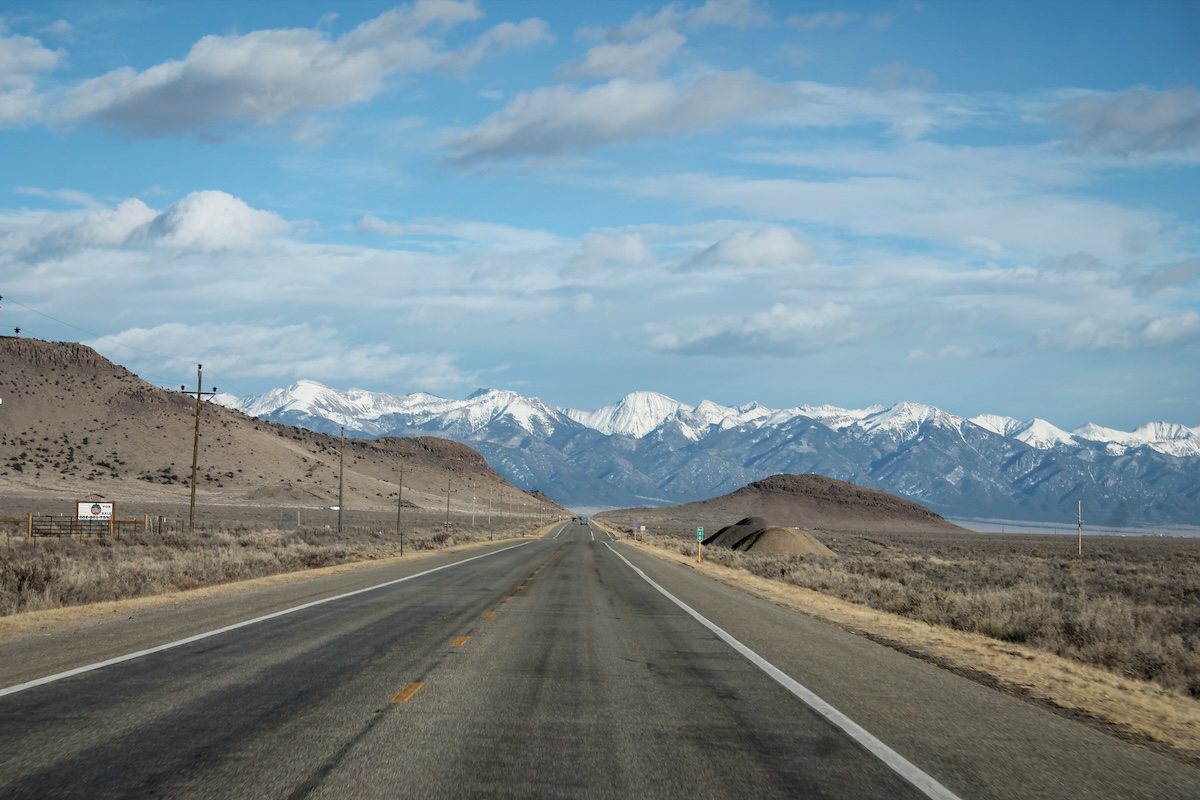
We still had six hours of endless driving ahead of us. The road from southern Colorado is beautiful, though that description probably applies to all major highways and every direction... We saw towering mountains near the sand dunes known as the Great Sand Dunes, endless fields, patches of snow here and there, steep inclines, and a million breathtaking views.
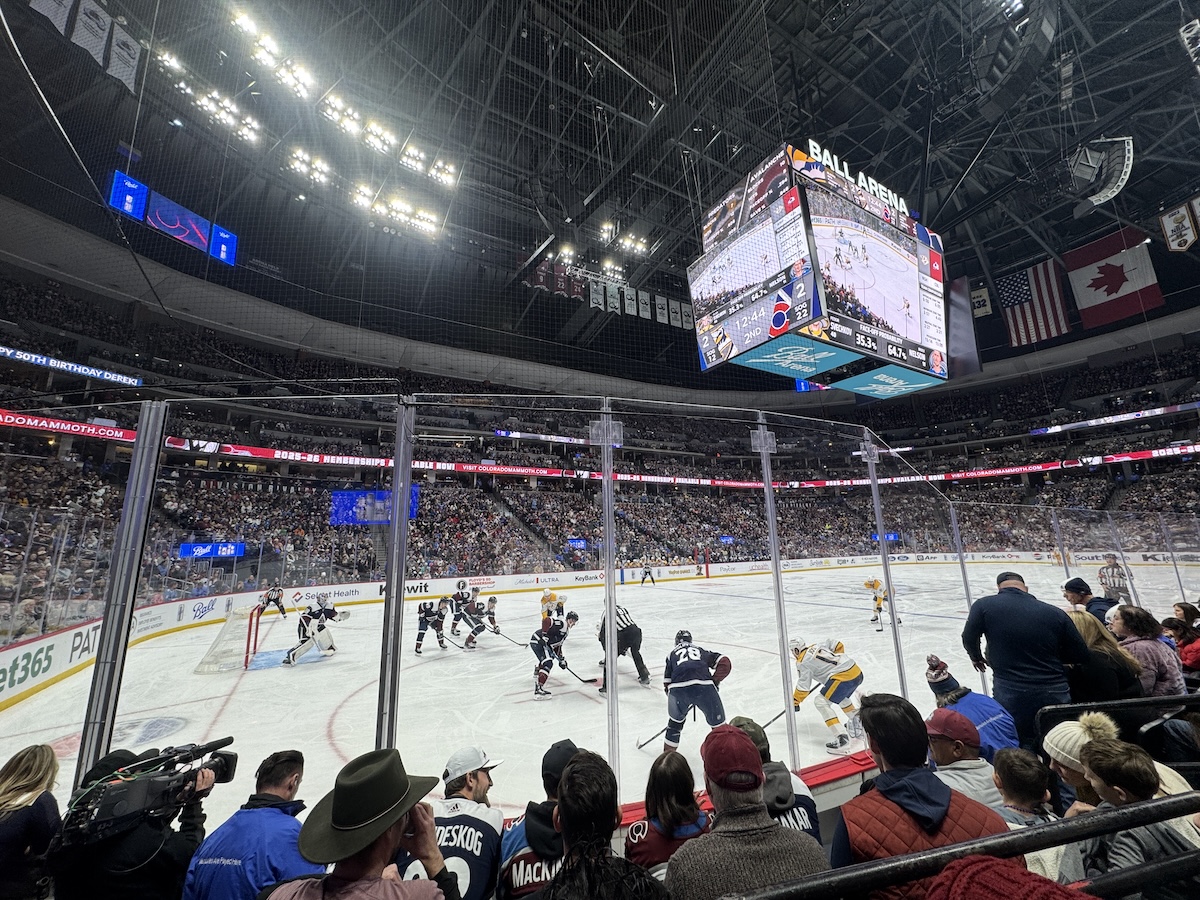
We arrived right at the start of the Avs vs. Predators game. The road trip ended safely and successfully, but the game itself was far from a positive experience. The Avalanche lost their second game in a row, this time 3-7, with none other than Ryan O'Reilly scoring a hat trick. After it ended, we fell into bed tired, but full of experiences. Just like every single day of this endless trip.
DAY 14 - 01/15 - A LONG JOURNEY THROUGH ARIZONA
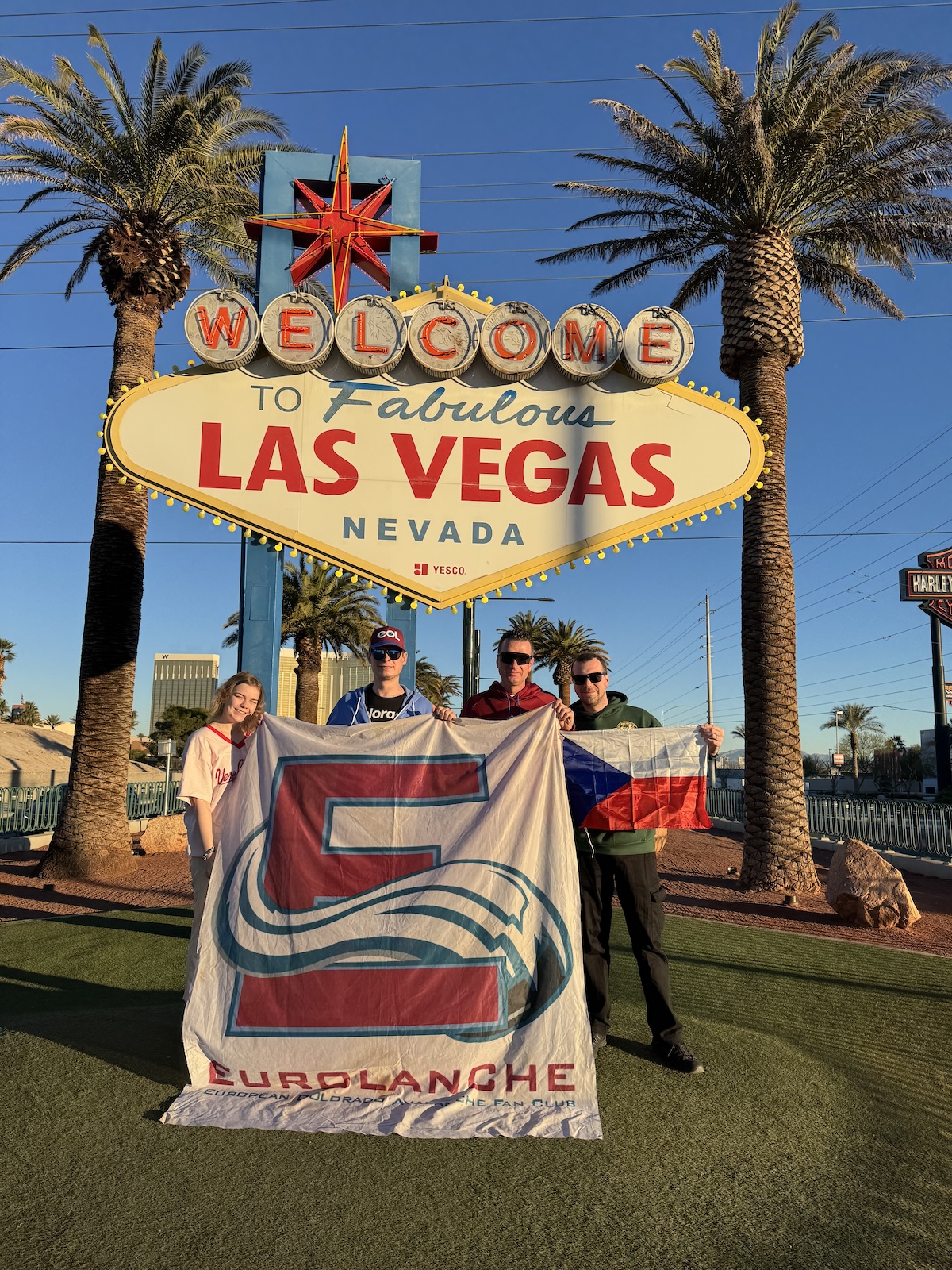
In the morning, we said goodbye to Las Vegas at the famous sign and headed back to Denver so we could make it to the next game the following day. We didn’t drive nonstop; we had a few stops along the way and spent one night at a special motel.
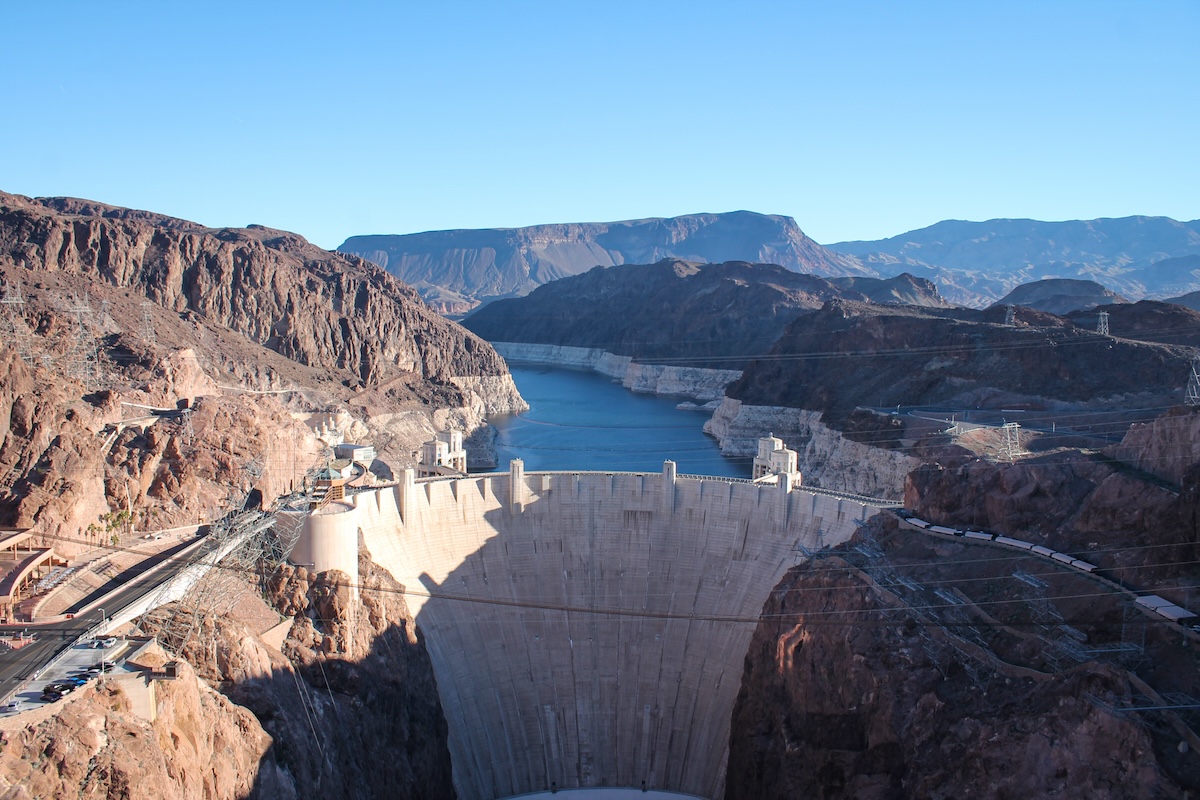
First, we visited the Hoover Dam near Las Vegas. We took some photos of it from the observation bridge and got back in the car, since Nevada and Arizona are right next to each other, but Arizona is an hour ahead, so we wanted to make sure we had enough time to see everything.
This was followed by a four-hour drive through the Arizona desert and mountains. Beautiful scenery, long, endless roads—a classic American road trip. Just before our stop, I decided to get off at Grand Canyon Village, a small village with just a few houses but plenty of amenities, where I spent the next two hours. The rest of the group went a few minutes further to one of the sections of the Grand Canyon. I didn’t go because I disagree with the policies of D. Trump, who, effective January 1, 2026, implemented a massive increase in ticket prices for foreign tourists to certain parks. From the original price of about $16 per car, it suddenly jumped to $100 for non-Americans! It’s not that I couldn’t afford it, but it just wasn’t worth it to me.
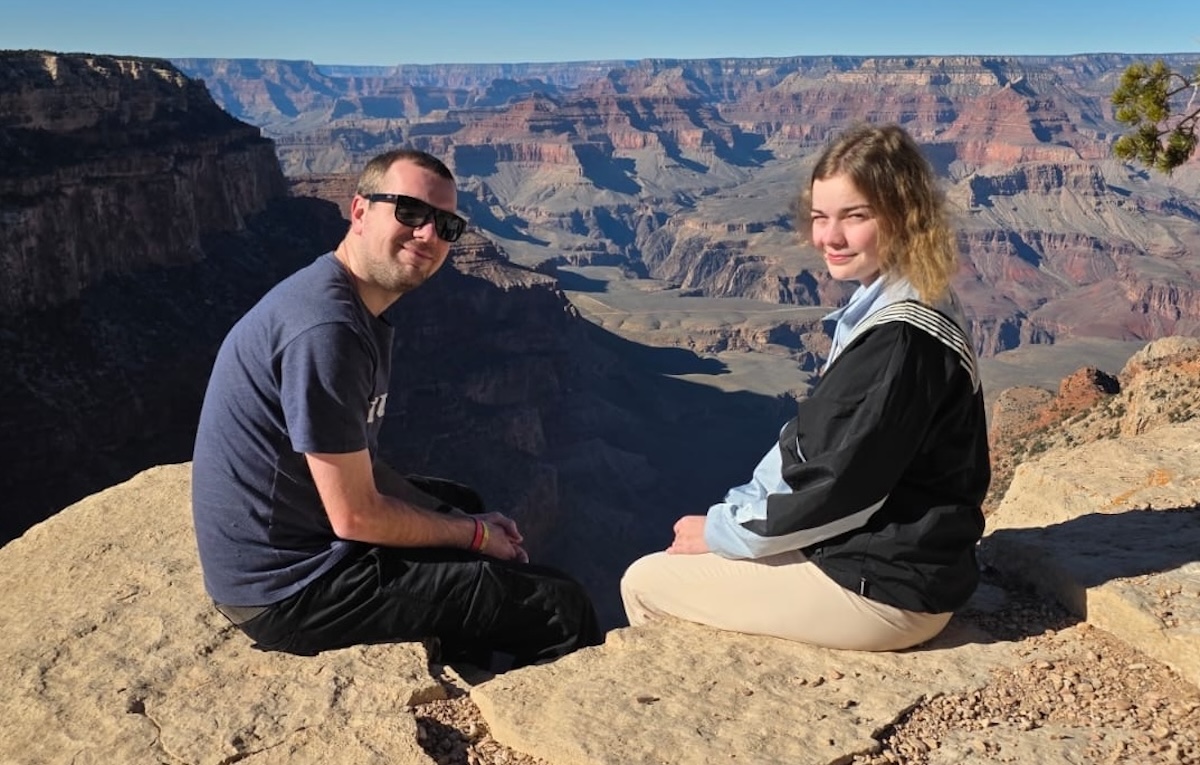
When we met up again, we drove about 90 minutes to Flagstaff, where I’d last been around 2016 on my way back from my first road trip to Las Vegas. We decided to grab a bite to eat there. I had a fantastic burrito at Chipotle.
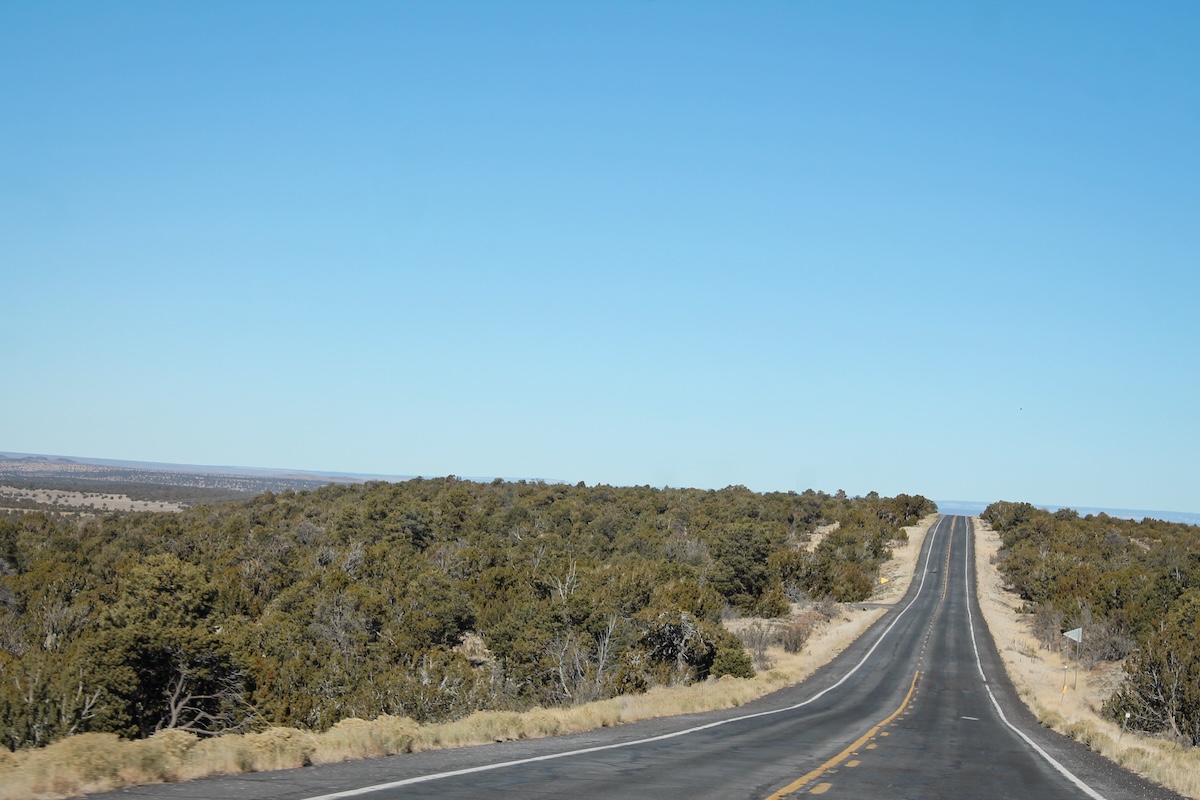
We spent another three hours driving, during which twilight fell and the views were soon shrouded in pitch-black darkness. As soon as we crossed the Utah state line, we checked into Goulding’s Lodge, an incredible motel nestled among Utah’s red rocks with a view of the famous Monument Valley, which we didn’t get to enjoy until the following morning.
I won’t get ahead of myself, but I will just add that we were in for very little sleep. I’m writing these lines from Ukraine, where I’ve come with the “Hoaxy a podvody” project and where we’ve been on the move all day—those long trips seem to go on forever for me.
DAY 13 - 01/14 - LAS VEGAS
This was the only full day we had planned to spend in Las Vegas, and probably the only one during our entire stay in the U.S. when we weren’t supposed to be driving (though that ended up changing). We started the morning with a walk down The Strip, right next to the hotel, for breakfast. We were greeted by sunny, summery weather well above 20 degrees Celsius. Being outside in shorts and a T-shirt in January? Unbelievable!
We bought souvenirs, checked out various interesting shops—including one dedicated to Coca-Cola—and slowly made our way through the city’s main attraction. You either love Las Vegas or hate it. It’s all kitsch, of course, but it has its own unique and special atmosphere. You can enjoy it for a day, or even for two weeks—there are simply endless possibilities for activities, museum visits, entertainment, shows, and much, much more.
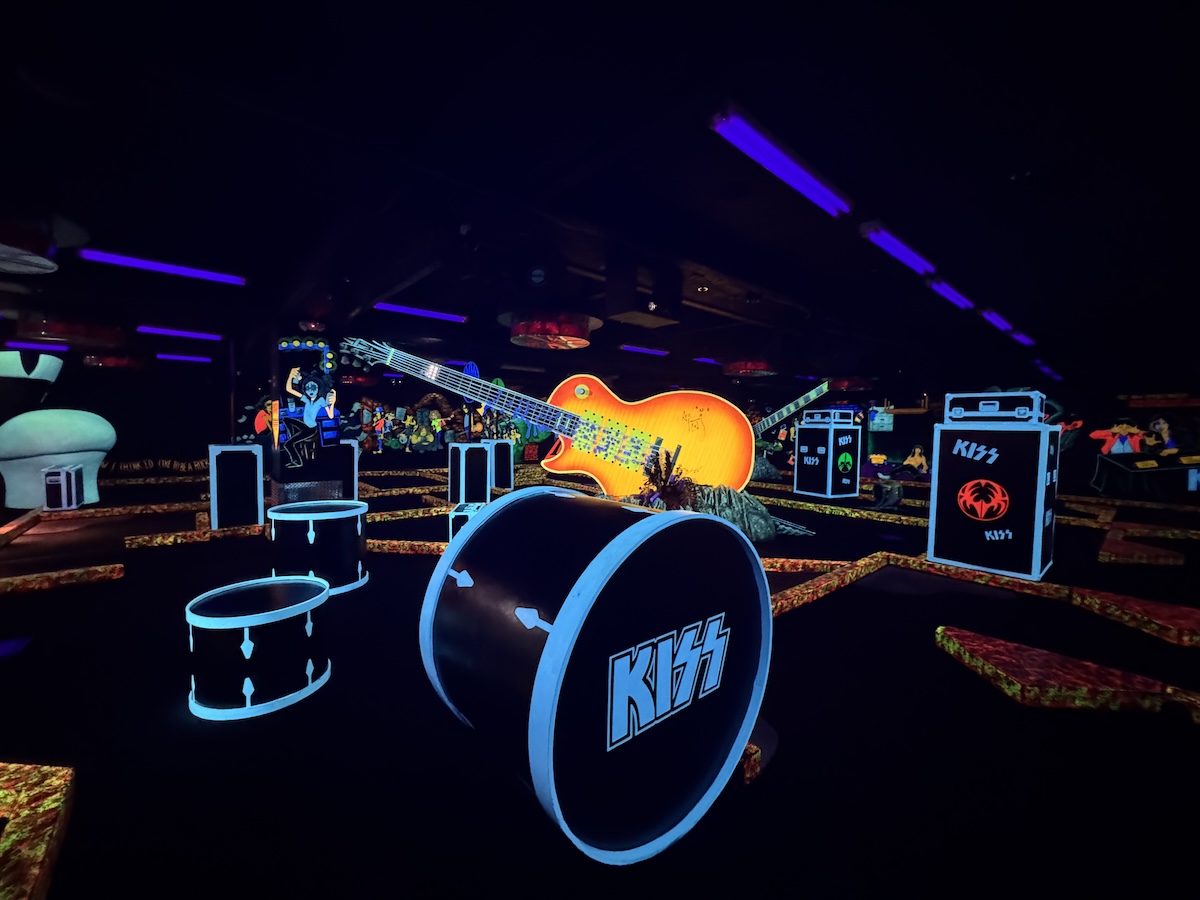
We set out on foot for the Rio Hotel, which is not far from the main street. Well, “not far” is relative. Las Vegas is known for the fact that even though everything looks close, it can take hours to walk there. So we walked for a while, and after about half an hour in the already uncomfortably hot weather, we arrived at our destination. I didn’t choose it at random. As a lifelong fan of the band KISS, I couldn’t pass up the chance to visit the local KISS mini-golf course and the recently opened private collection of the band’s co-founder, Gene Simmons.
We played, we laughed, and KISS hits were playing in the background, so I was actually okay with finishing last in our group—I still scored the best shot, and I did it even after I’d jokingly announced it beforehand... That was quite a coincidence.
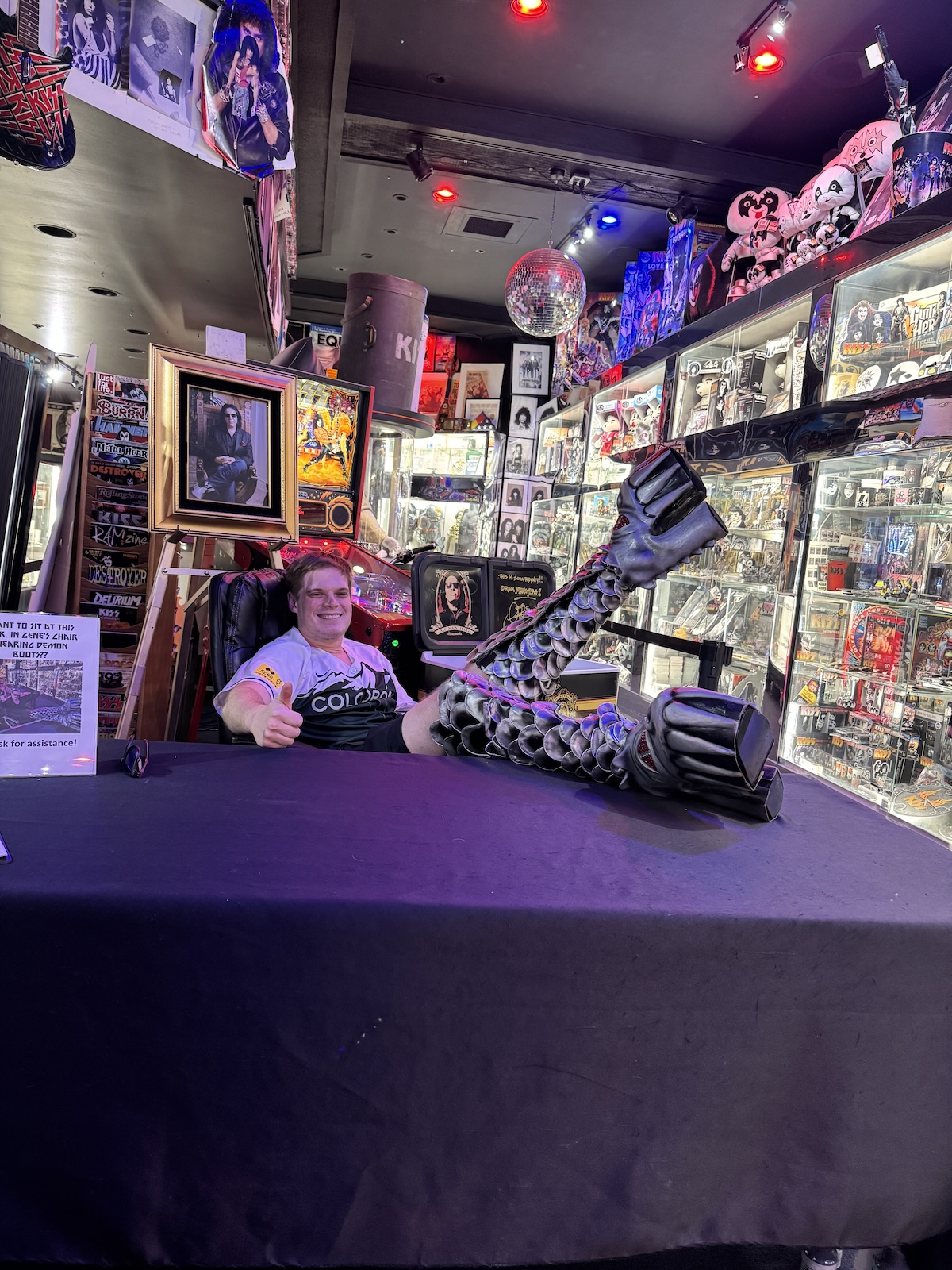
Eliška and I checked out the exhibition of Simmons’ private collection, which convinced me that the KISS logo has truly been used on every single type of product on this planet. Thousands and thousands of items, from the tiniest trinkets to the largest ones. Everything is part of the photo gallery from this road trip. Among them, I even found a ticket to a concert in Prague from 2019, which I naturally attended (10 concerts in total). I also took the opportunity to take a photo of myself in Gene’s high boots, which he wore on stage. It was a great experience for me!
Tomáš also had quite an experience—he turned about $20 into over $1,000 while Robo and him waited outside the exhibition. I’m not kidding, I saw what he did!!! Robo won something too; I was the only one who lost it all—or rather, I had my 50-cent voucher printed out...
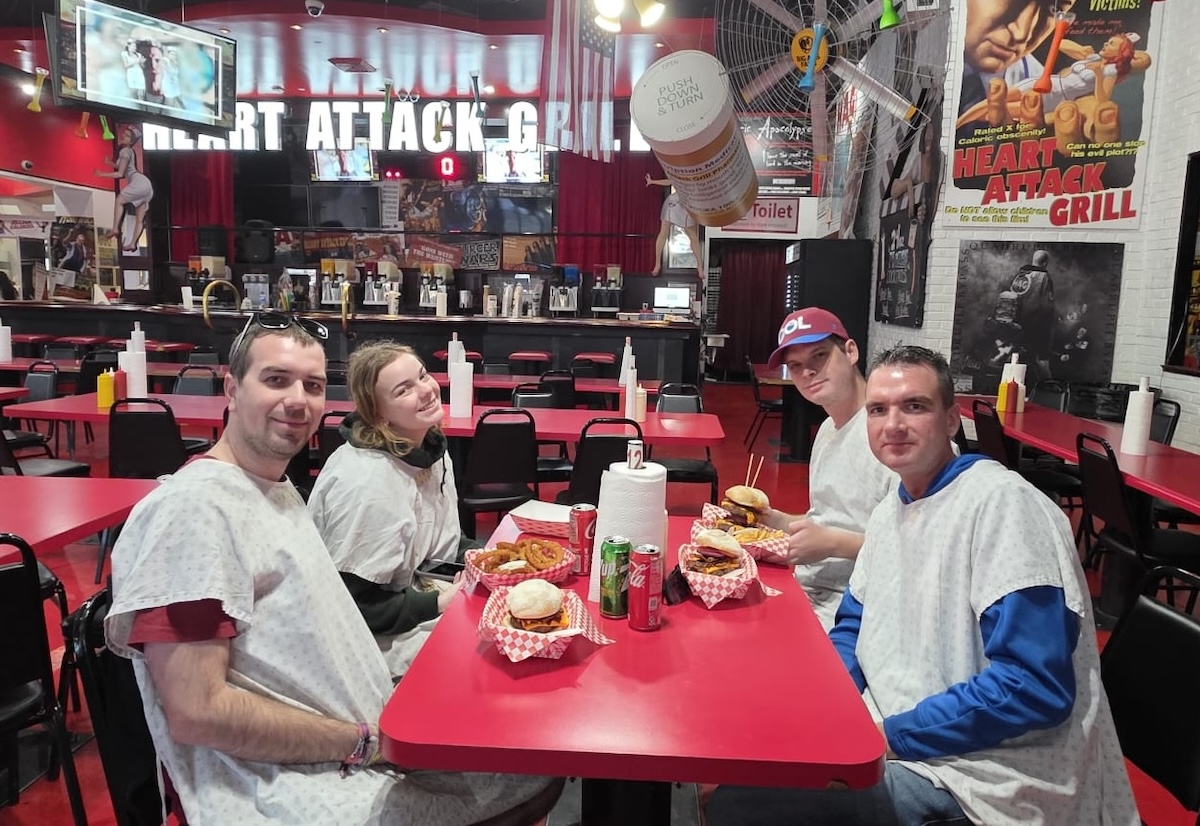
Next up was lunch at Heart Attack Grill, a famous restaurant where waitresses dressed as nurses welcome you, hand you a patient gown, and say, “Go ahead, eat burgers and drink Coke—you won’t find anything diet or zero-calorie on the menu” (which they’ll proactively point out to you). If you order wine, they’ll bring it in an IV bag—complete with a stand! Anyone who doesn’t finish their burger gets a spanking on the butt with a wooden spoon. I certainly got spanked, because I overestimated myself and didn’t finish the triple burger. The patties were unbelievably thick—as thick as a regular burger, meaning not a triple, but a sextuple! You can order up to eight thick slices of meat, and if you eat them, the “nurses” will wheel you to your car in a wheelchair... It’s probably no surprise that several of this restaurant’s “mascots”—men of enormous weight—have died of heart attacks. However, if you weigh more than 150 kg, you’ll get a single burger for free! You can weigh yourself in front of the restaurant (the scale shows in pounds).
After a hearty lunch, we took a peek down the neighboring Fremont Street, which is the original heart of old Las Vegas and a place I’d like to explore in more detail someday. We then took a taxi back to the hotel. When we got out, we realized that Tomáš had left a bag in the taxi with all our souvenirs from the day... Including my KISS guitar picks—original pieces that the band had custom-made for their only concert in Slovakia back in 2010, which I, of course, didn’t miss. We were devastated.
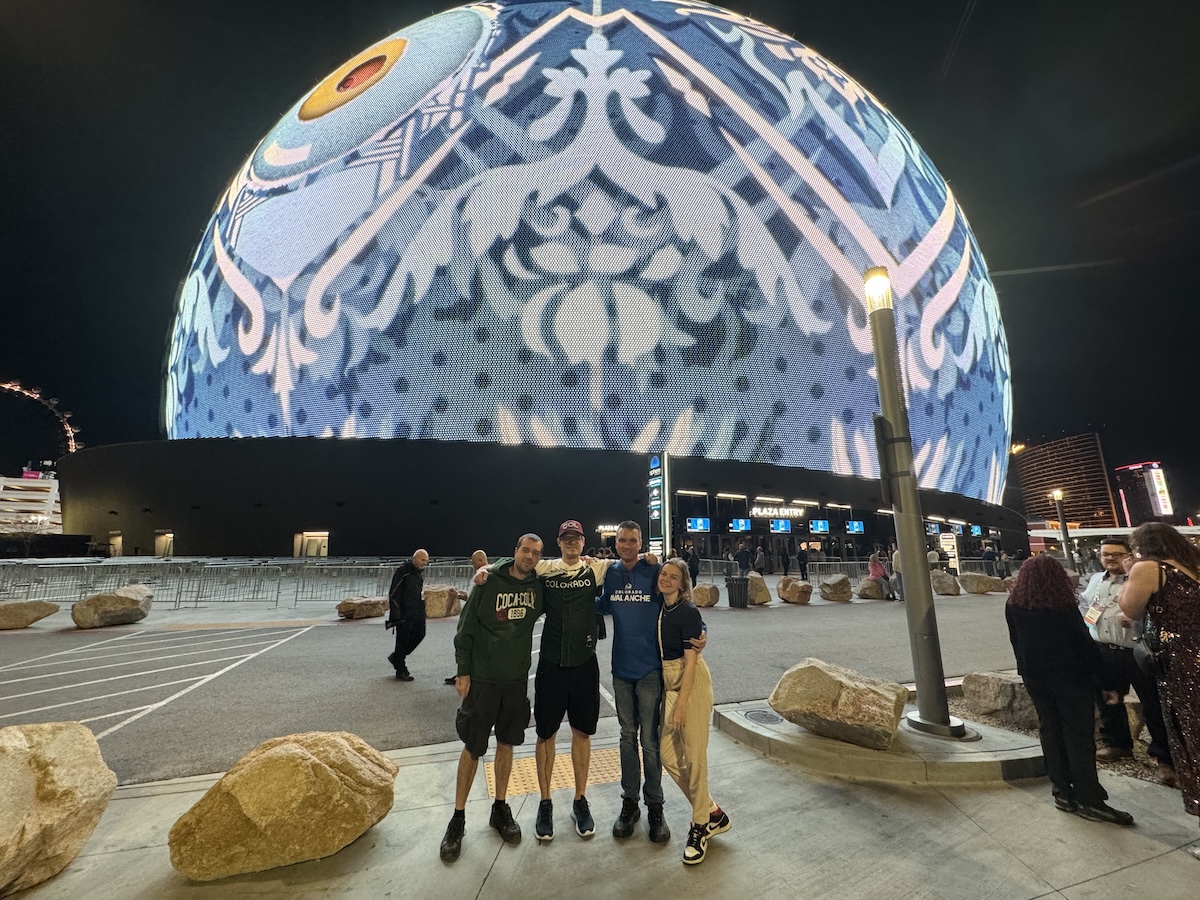
We took a regular taxi, not one booked through an app. We paid in cash and didn’t take a receipt. What now? We got back in the car and drove to the restaurant where we’d originally hailed the taxi, hoping our driver might be there again. He wasn’t there. I went to a neighboring hotel whose garage camera covered the taxi stand. I spoke to security, who found out that the camera didn’t belong to them... I talked to another taxi driver, called various hotlines, until I remembered the name of the taxi service. But on the phone, they asked me for the taxi number—how was I supposed to remember it? Shortly after, Robo said some 5 digits, so I gave them to the operator, and it really was the right number! Robo had somehow pulled the numbers out of his head—he’d noticed them in the taxi—and saved our souvenirs. It was literally a miracle, but also thanks to the taxi driver’s kindness, who later returned everything to us right at the hotel.
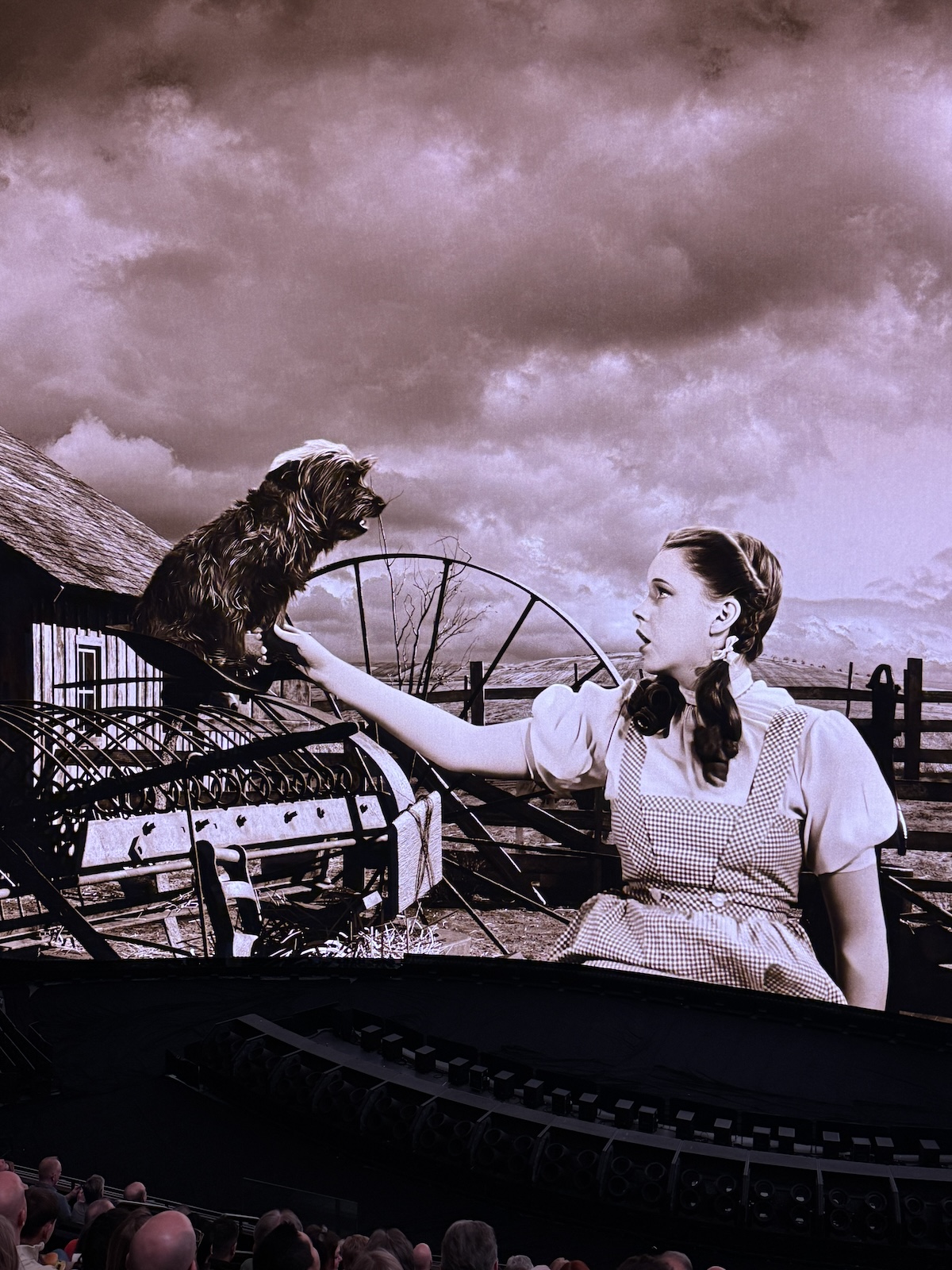
We spent the evening at The Sphere, a new attraction that opened in recent years. It’s a large sphere with LED lights on the outside that display all sorts of interesting images. Inside is a spherical screen where edited films are projected or bands perform live. It’s one of the top innovations of recent years, and despite the higher ticket prices, it’s worth a visit. We went to see the older film *The Wizard of Oz*. We didn’t really have a choice, since they’d been showing only this film there for several months, and there was constantly huge demand for it precisely because of The Sphere’s unique features. I recommend checking out several shots of the venue in the updated photo gallery. It was another once-in-a-lifetime experience, and I also recommend watching the movie itself sometime just for fun.
DAY 12 - 01/13 - THE TRIP TO LAS VEGAS
Around midnight, we managed to set off from Denver toward Las Vegas. A 1,200-kilometer drive lay ahead of us, taking us through neighboring Utah—a journey that would have taken 11 hours without a break. In the end, we lasted just over six. We raced westward through the Colorado mountains toward the city of Grand Junction. The roads were treacherous in the dark, the descents steep—again, not for a beginner, since even the smallest mistake could end in a skid. This nighttime drive through unfamiliar lands will forever remind me of road trips with Eurolanche. No one around, just our car and our destination out of sight.
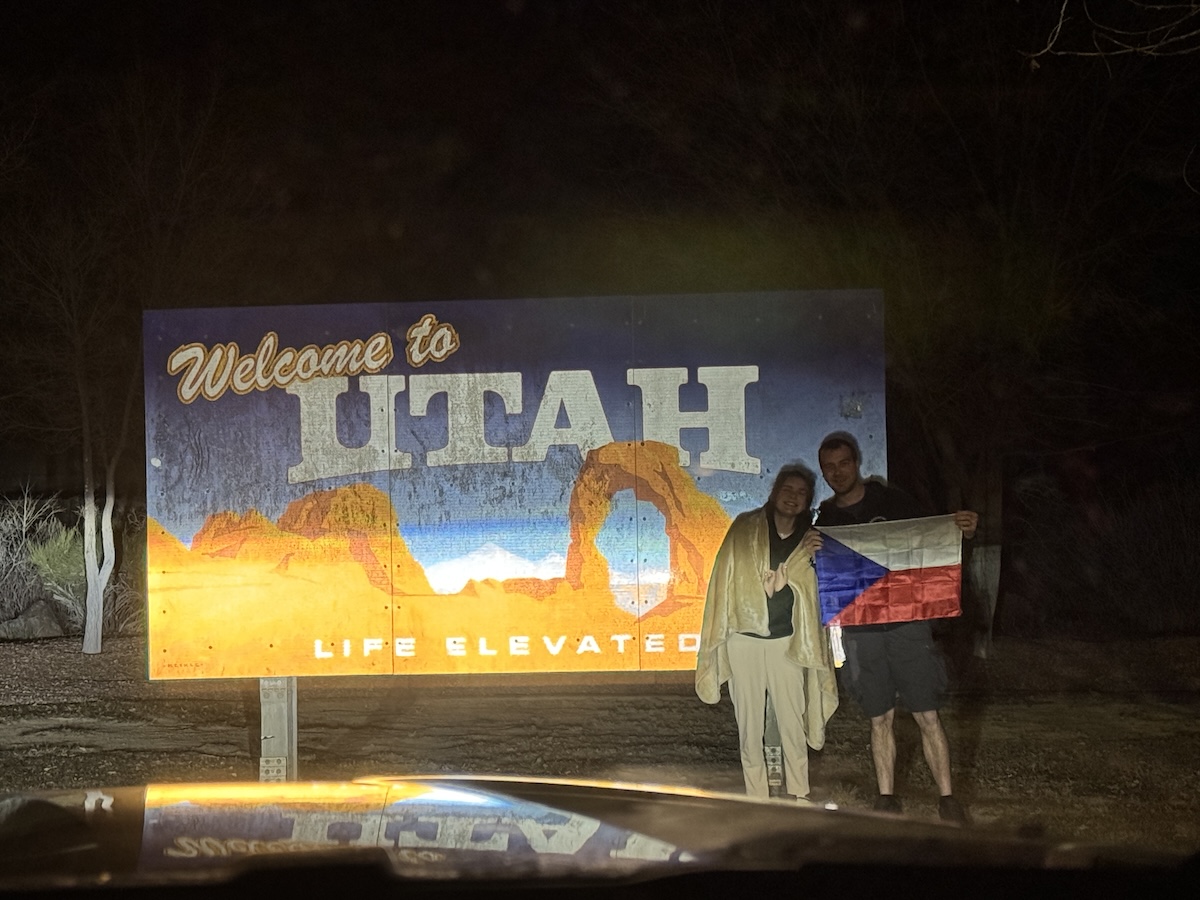
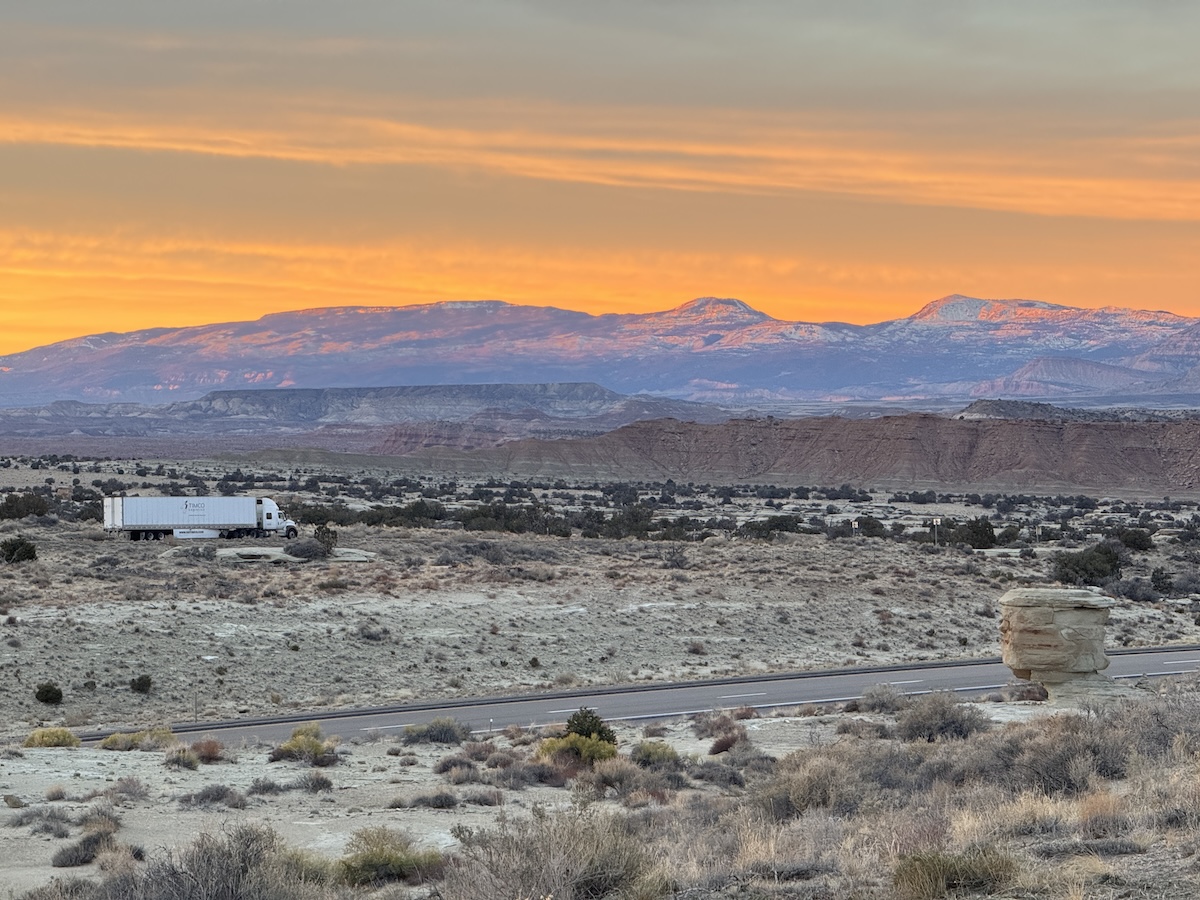
Even though there were two of us driving, fatigue caught up with us halfway through the trip near the small Utah town of Emery. I didn’t realize where we’d ended up in the middle of the night until much later. At the time, we were just glad to have found a rest area in the endless darkness, and we all got some sleep for a while. When we woke up, the first rays of sunlight began to reveal the surroundings where we had ended up. It was absolutely beautiful! The Utah prairies and rocks, the red-orange hues, scenery like something from another planet. It was almost surreal where we had woken up. It was a significant site for dinosaur fossil discoveries.
The journey had to continue. We made one more stop at Walmart in Utah, and then headed straight to Las Vegas. That distant, first glimpse of its downtown skyline, towering with skyscrapers, as it comes into view across the desert, is always priceless. Finally!
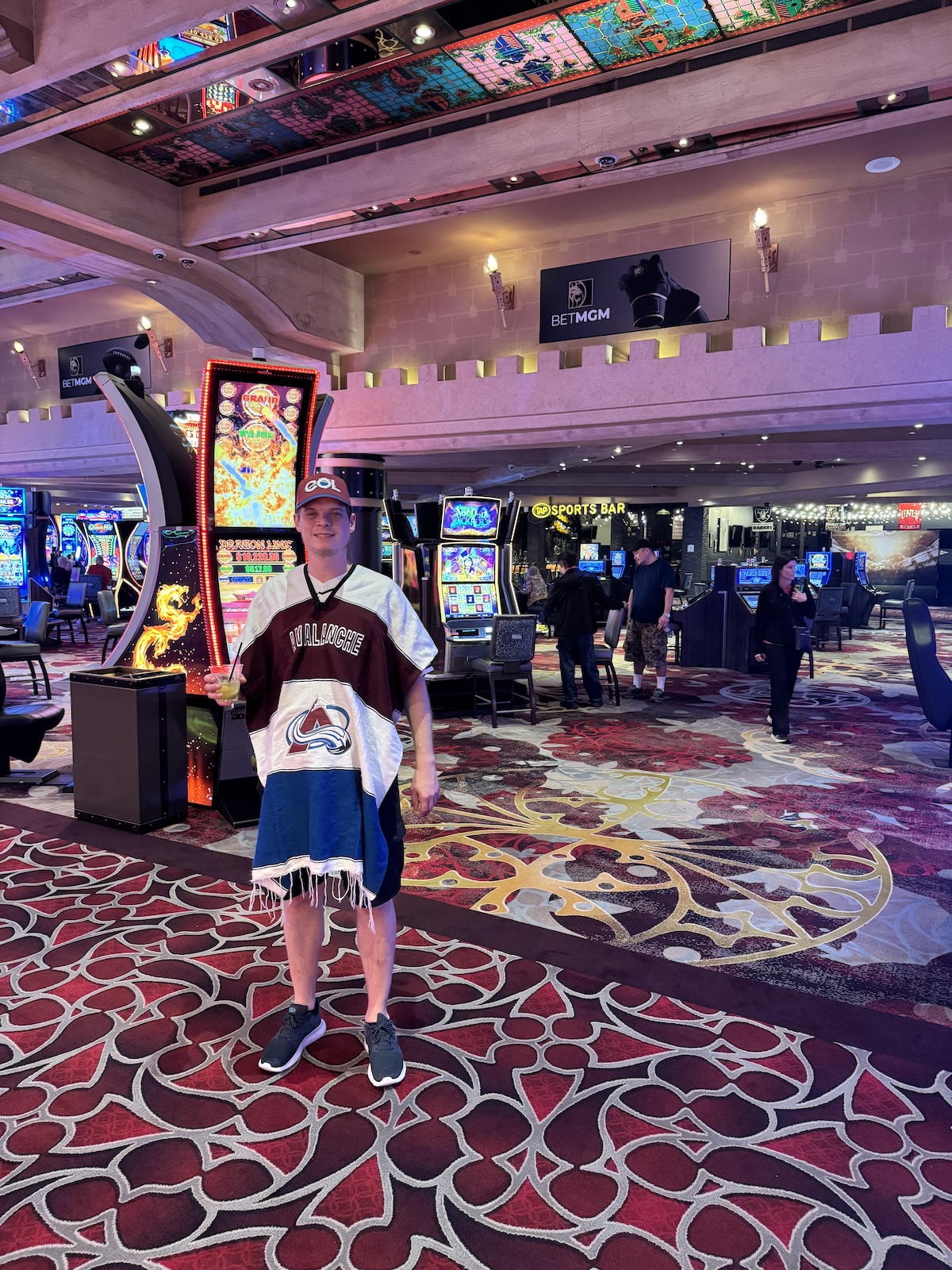
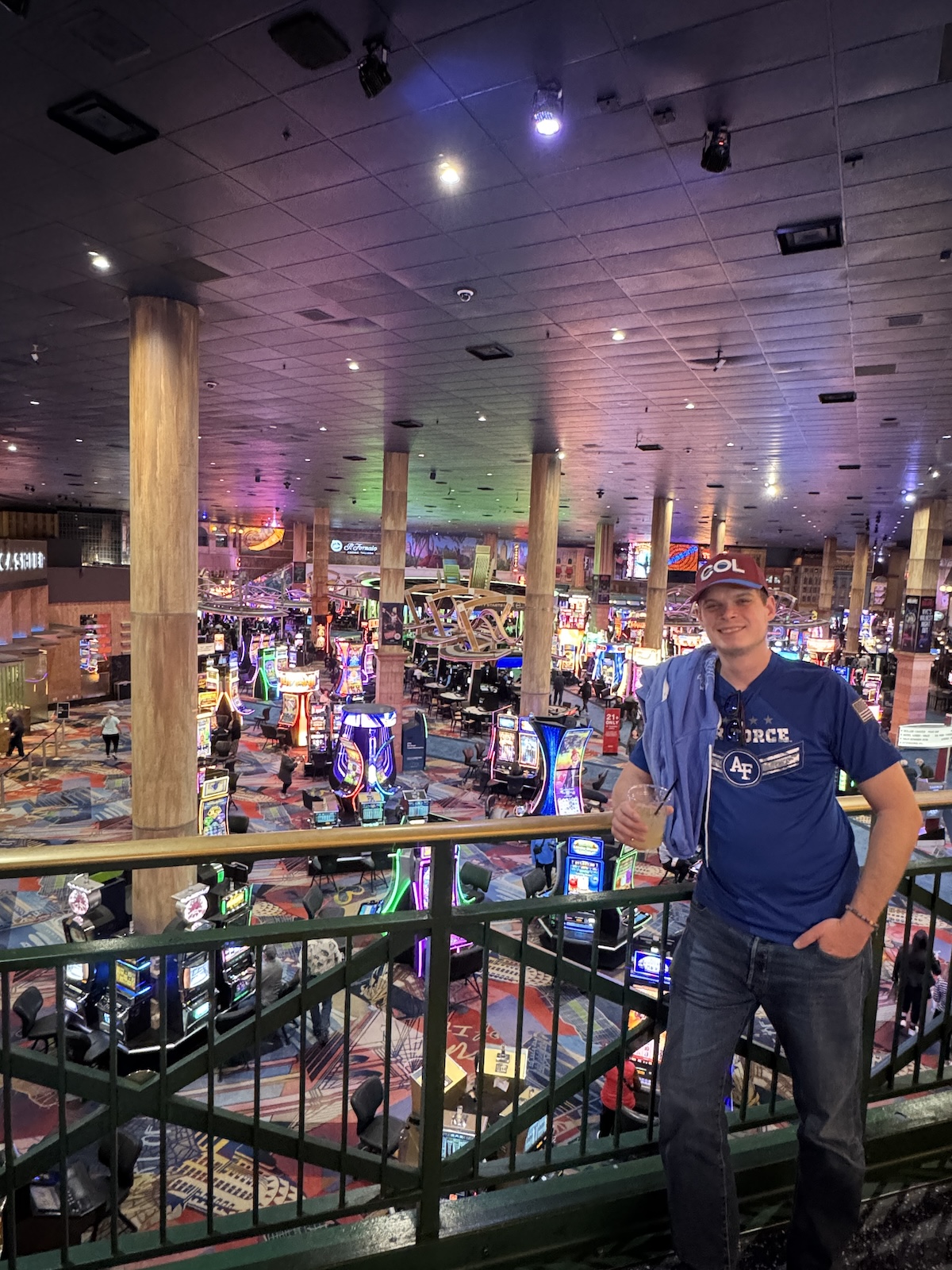
We finally arrived at the hotel just before 1:00 p.m., which wasn’t bad at all considering our departure time from Denver. We checked into the Excalibur, an older hotel, but one I knew well. After settling in, we headed out onto The Strip, the very heart of “Sin City.” First stop = a ride on the roller coaster at the neighboring New York, New York, which was well worth it. Endless walking, our first slot machine games, the Eiffel Tower, the Bellagio... Those of us who were there for the first time were surely just as blown away by this crazy atmosphere as I once was. A whole other world!
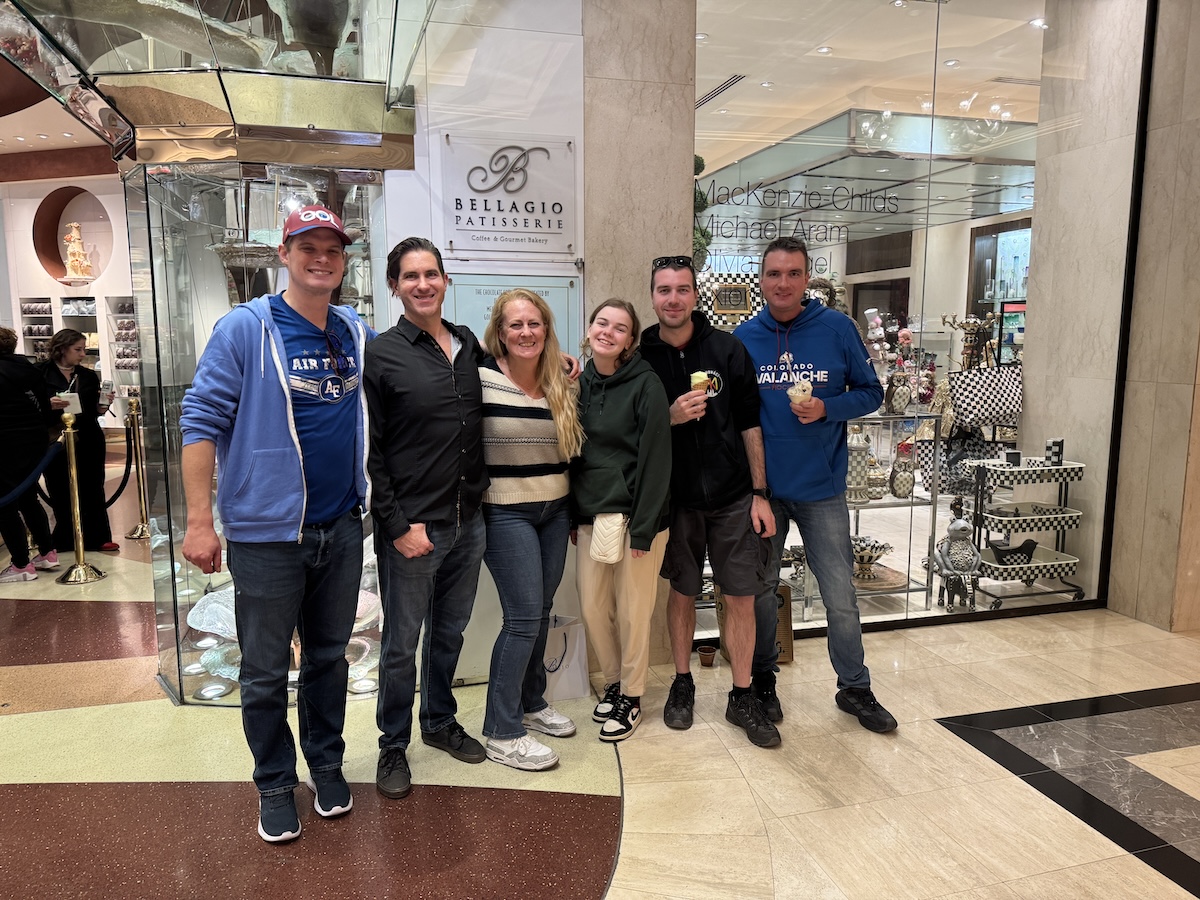
We gratefully accepted an invitation to dinner at a nearby restaurant from Jenn, a long-time supporter of Eurolanche, and her family, who then showed us a chocolate shop in Bellagio, as well as a space hosting various exhibitions, which at the time was decorated in a Chinese style to celebrate the arrival of the Chinese New Year.
The afternoon flew by in a flash. After dark, under the glow of the neon lights, we headed back to the hotel, where some of us enjoyed three-dollar margaritas, as well as the slot machines—which I’ll get to later.
DAY 11 - 01/12 - A REAL MINE AND THE TRIP TO LAS VEGAS
On the last day of the first leg of our trip, we went to a former mine near Denver—the Hidee Gold Mine—for a tour. It’s been open to the public for years, but somehow it had slipped my mind until I came across it while poring over some books.
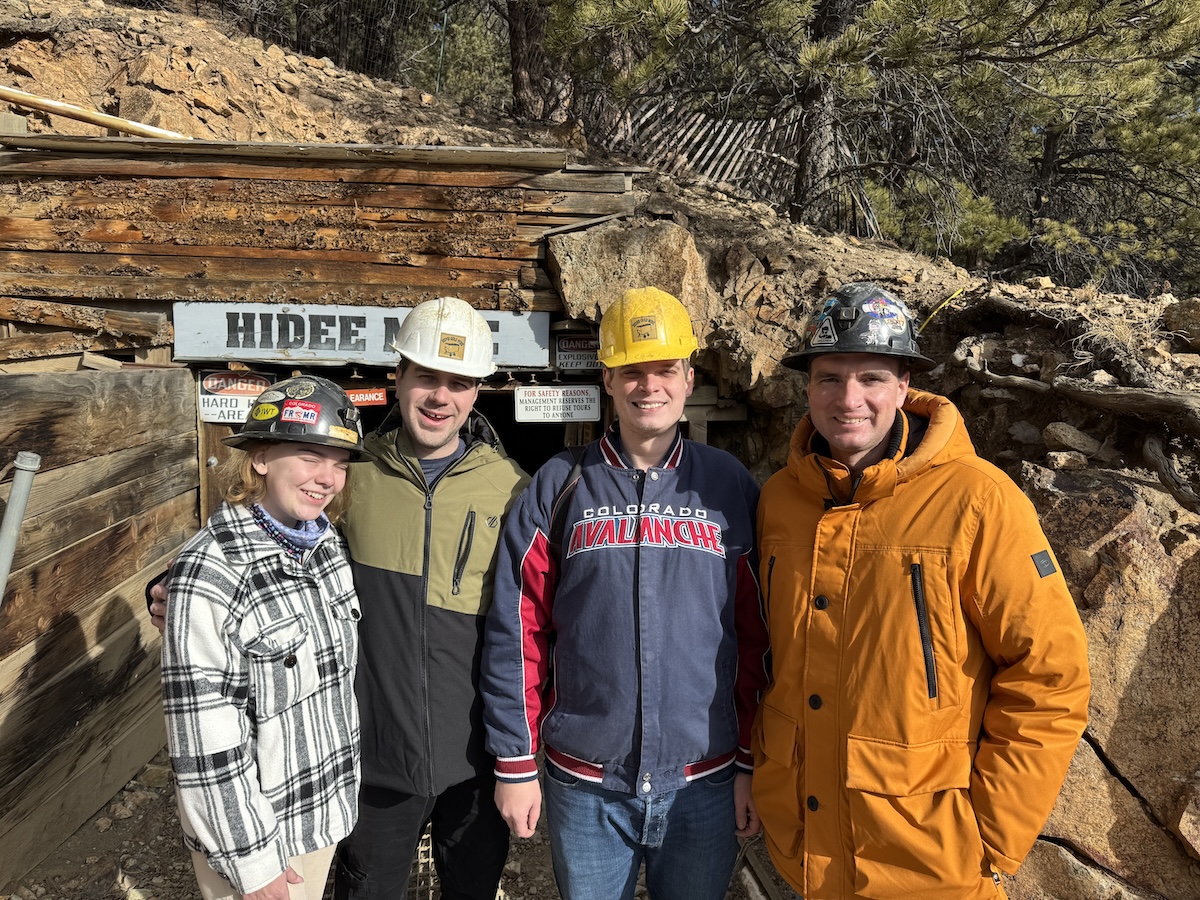
Upon arrival, we were given helmets to wear, which proved to be useful, as I actually bumped my head a few times on the low ceiling along a section several hundred meters long... The guide was a mining history enthusiast, which was evident from his enthusiastic presentation as he introduced us to the history of mining and this specific site. An added bonus was the chance to “mine” our own piece of gold using a hammer and chisel—an exclusive experience you won’t find in similar tourist-accessible mines in Colorado. It was totally worth it!
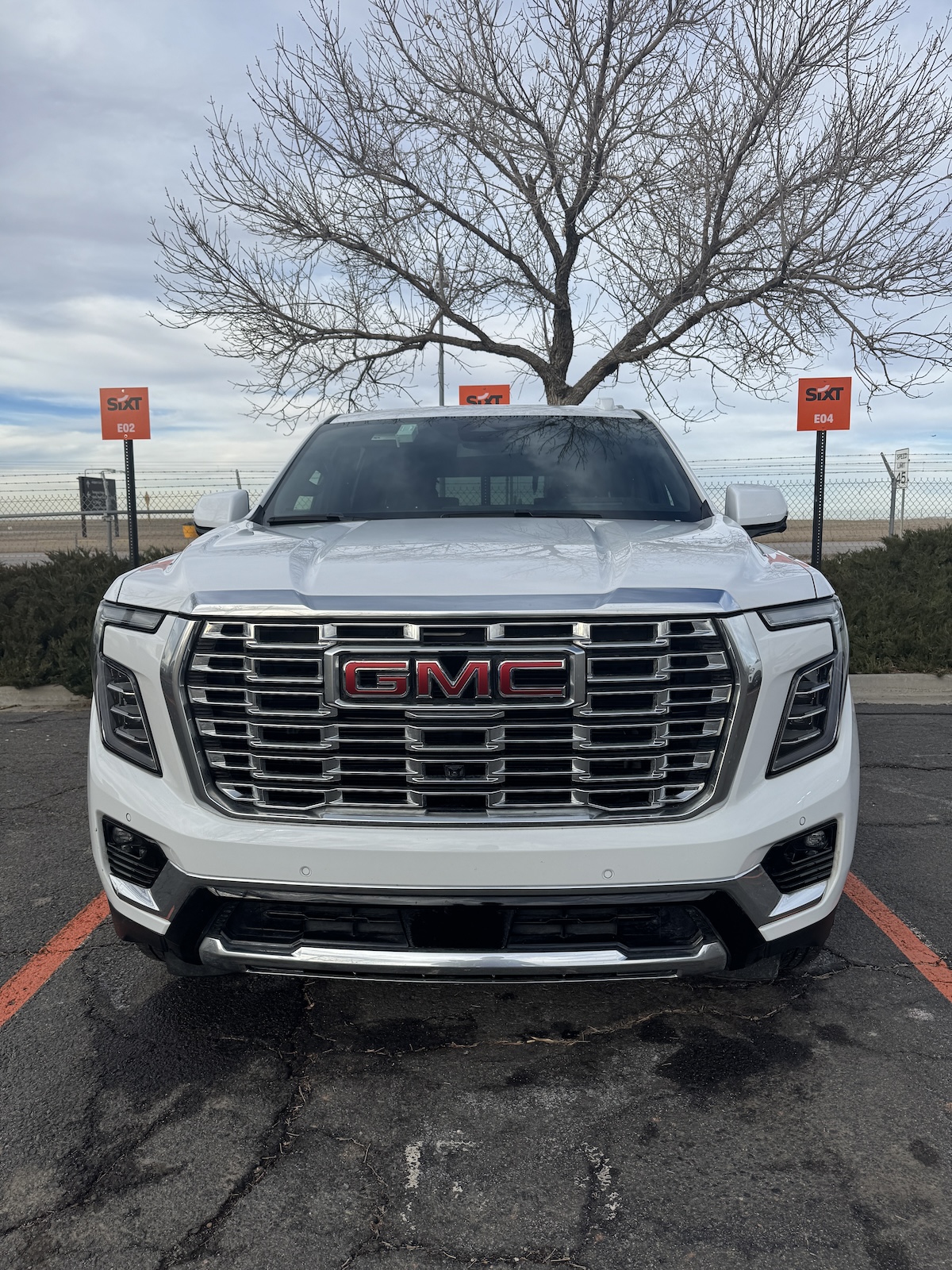
We then set about solving the car problem. After the group arrived, we traded in my Toyota Camry for a large Ford Expedition. Suddenly, though, the transmission started acting up... So we went to the rental agency near the airport, where they apologized, gave us a discount, and provided a new car free of charge. But not just any car. It was a car that must have been set aside for similar situations, or perhaps for VIP clients. A GMC Yukon. An incredible vehicle. Even bigger, more comfortable, and packed with a million features—everything you could possibly put in a car. We were thrilled, since we were getting ready for a road trip to Las Vegas. The best car I’ve ever had!
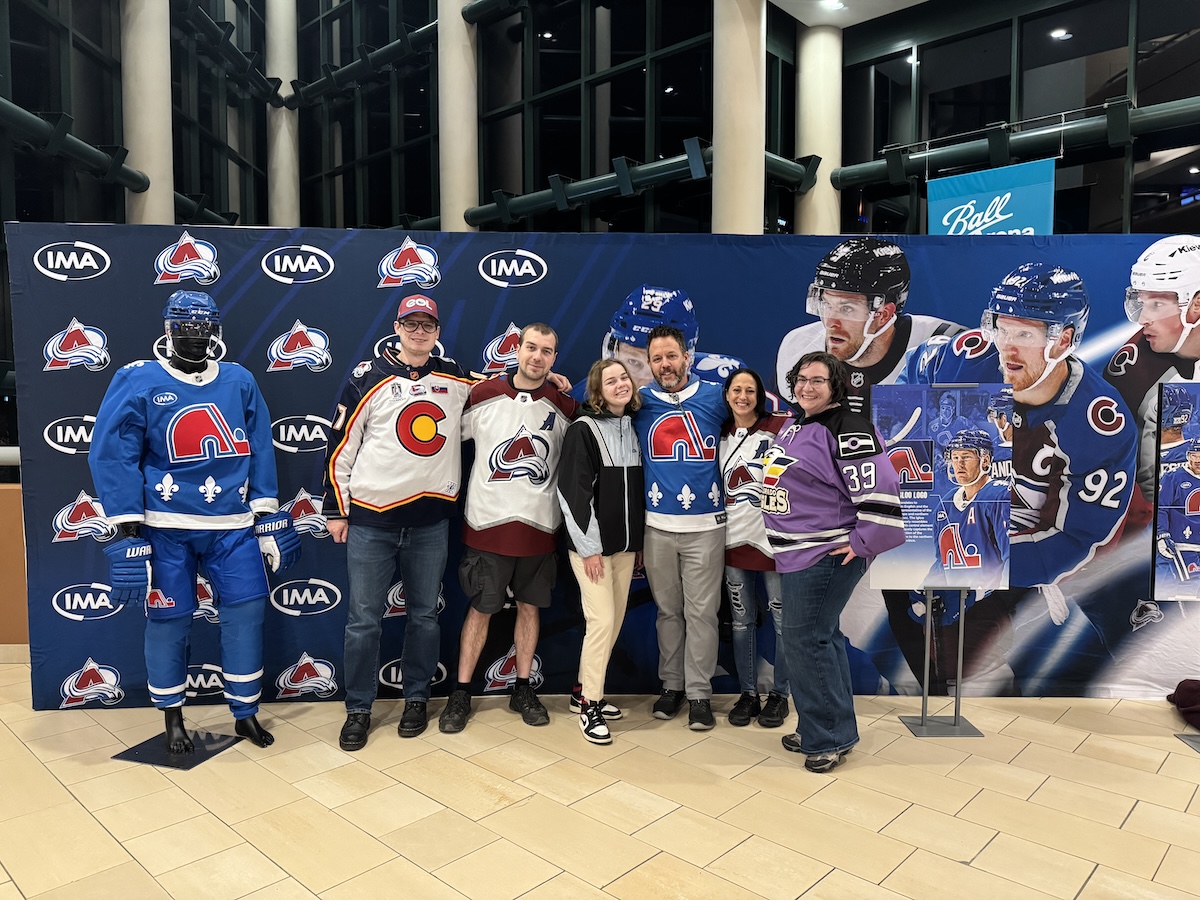
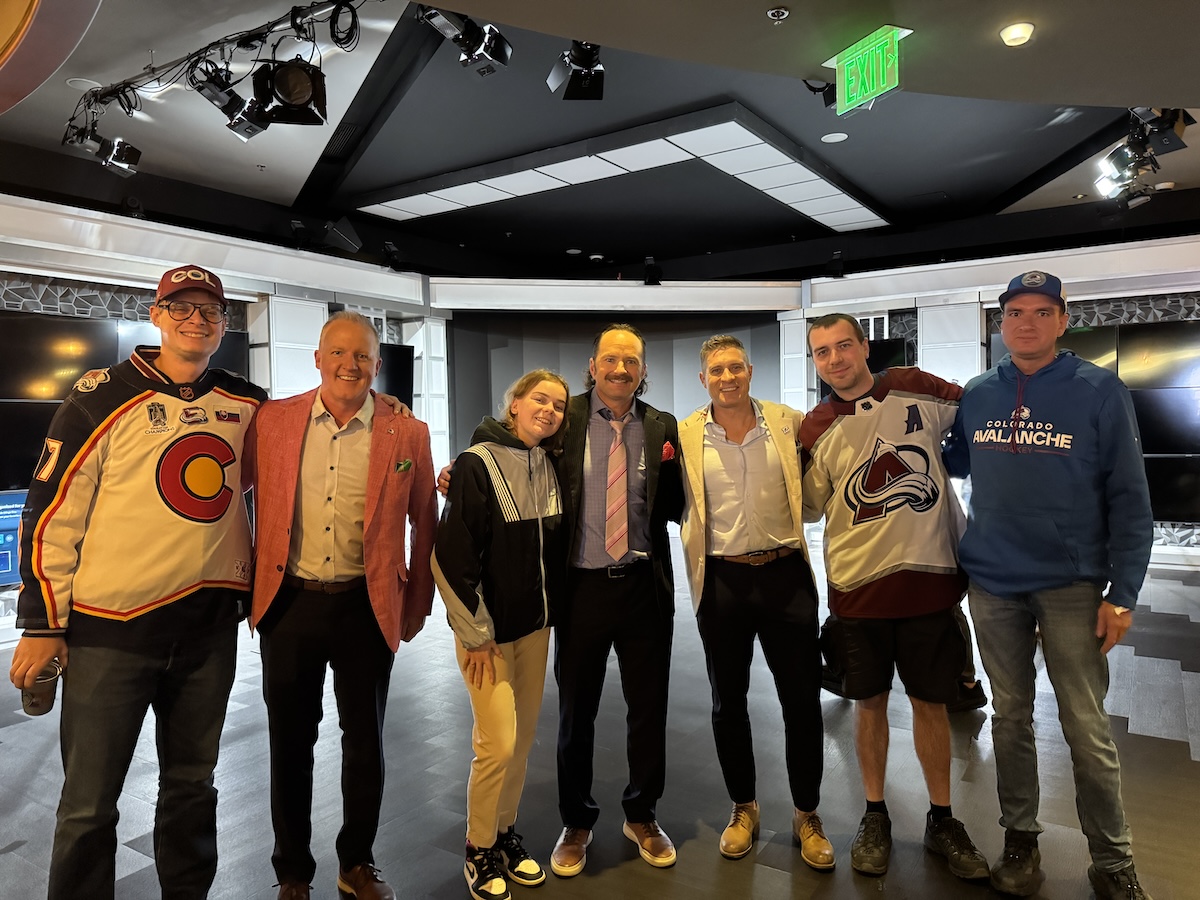
Last night, the Avs lost 3-4 in overtime to Toronto, and after two wins, it was clear we wouldn’t see the 100% success rate we’d been hoping for. During the game, we met up with old and new friends, which gave us the energy we needed for the all-night trip to Las Vegas.
DAY 10 - 01/11 - HISTORY, PURE HISTORY
This day was dedicated to exploring one of the most significant pillars of Colorado’s history—the world of mining. The mines and the associated extraction of gold, silver, and other raw materials are what made Colorado famous in the 19th century. For some, the mines became a means of amassing wealth that secured their families for generations to come. For many, they were a disappointment and grueling hard labor. Across the state, there are thousands of small shafts and mine shafts that today pose a risk to inattentive tourists. As we will see later, the body of a murdered Czechoslovak professor was likely hidden in one of them...
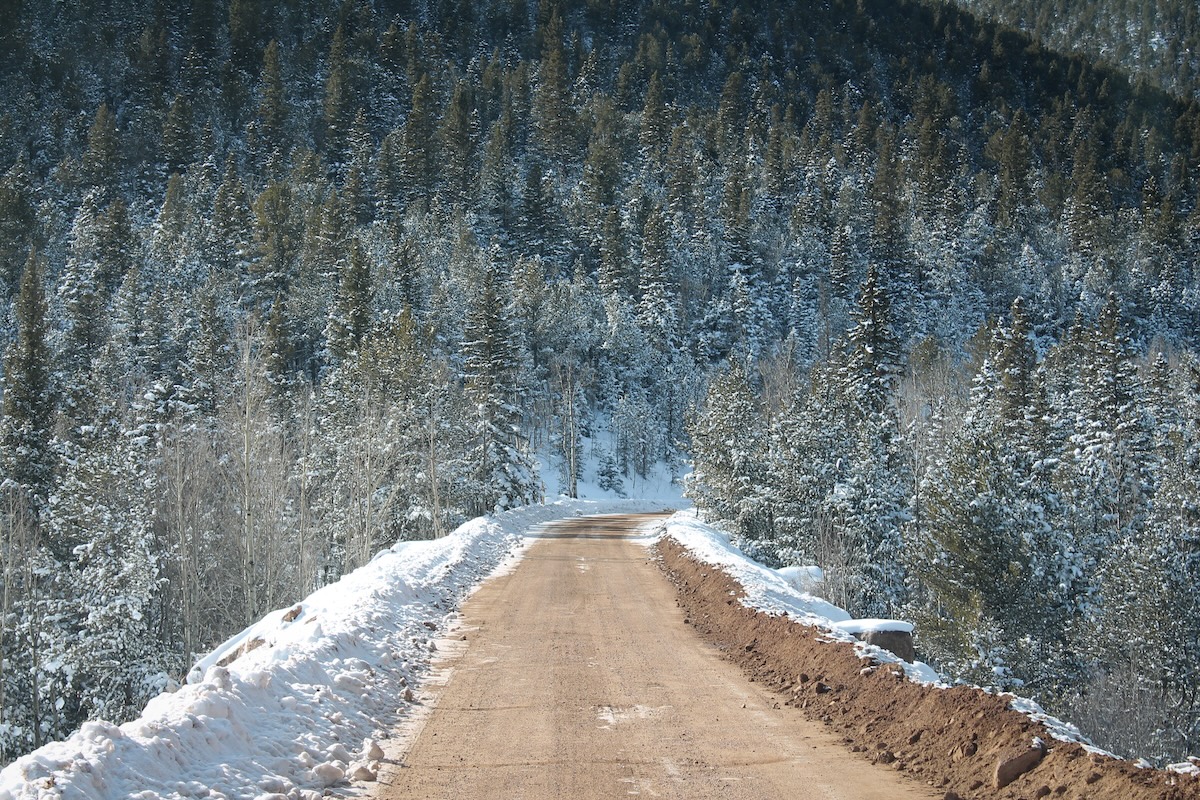
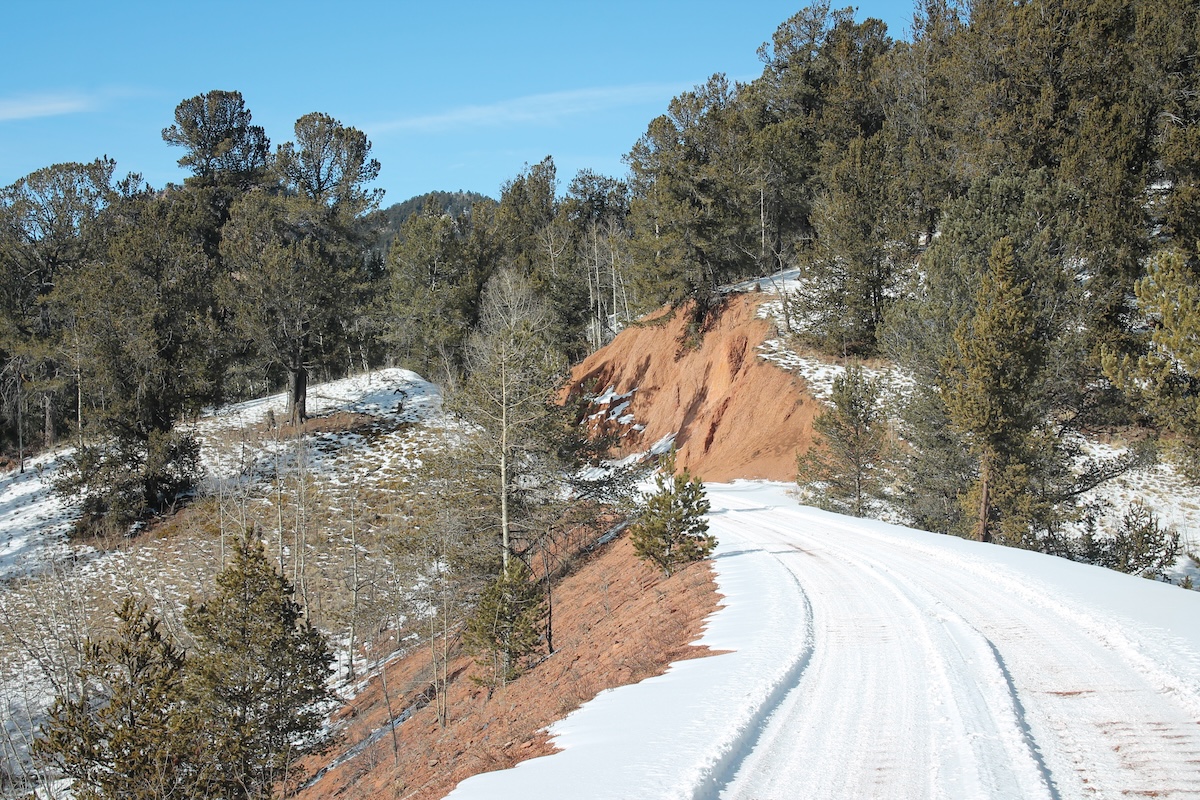
This was a special day that called for a special approach. We left the hotel in the morning and headed to Colorado Springs, from where we set off on a mountain road. We could have easily reached our destination by a completely different route, but we deliberately chose this one. We took Gold Camp Rd, which winds through a dense forest. No asphalt. Rocks, but mostly snow. If we didn’t have four-wheel drive, we wouldn’t have been able to go any further.
At the start of the ride, we saw a few daredevils—some on mountain bikes—but then we were on our own. Just us and the dense forest all around, snow everywhere, and incredible views. I had never experienced anything like this in Colorado before. It wasn’t until later that another car caught up with us, and we stayed close behind it, just in case something happened. Along the way, we stopped at Helena Hunt Falls, named after the American activist and poet.
After nearly two hours of driving—which I definitely don’t recommend for inexperienced drivers—we stopped at our first destination: the village of Goldfield. Once a famous mining town, today it’s a place with a population of up to 160 people and plenty of dilapidated houses. It’s a place dominated by a large mine shaft, which we visited.
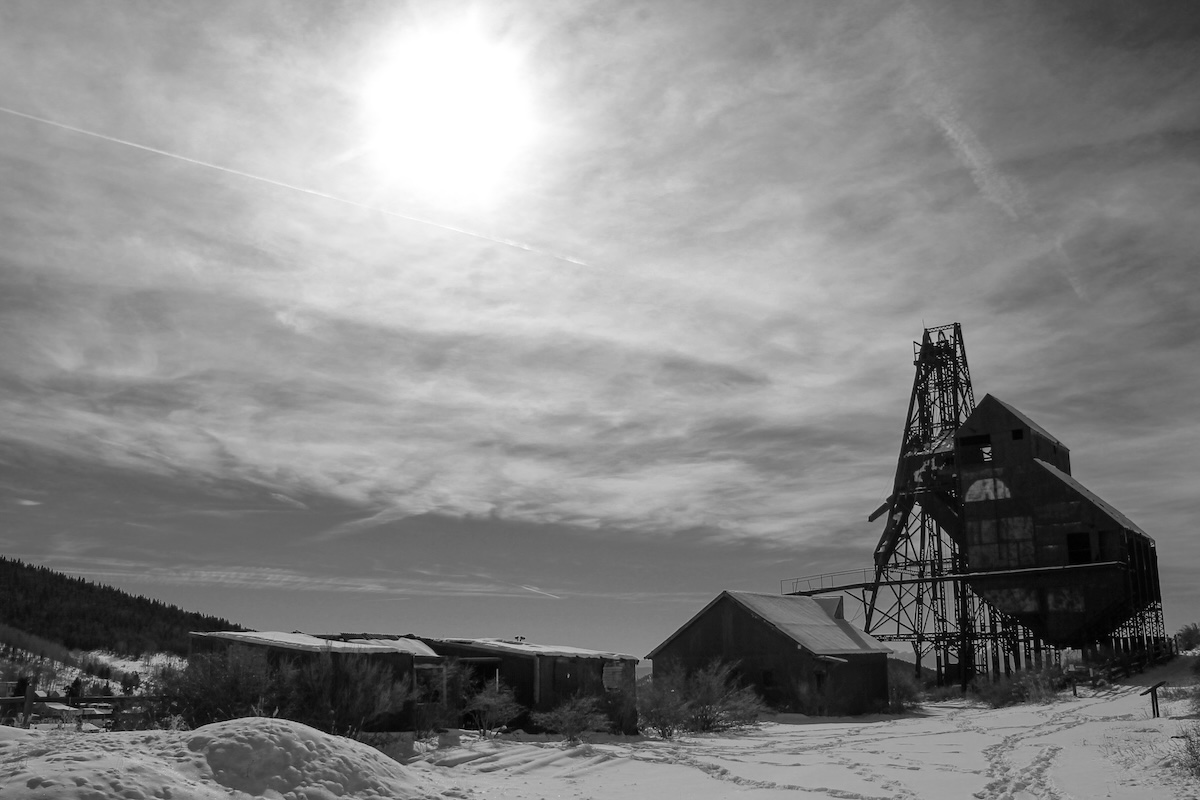
It was a glimpse into another world. It exuded both history and decay. Some of the scenes looked as if they had been plucked straight out of an American movie.
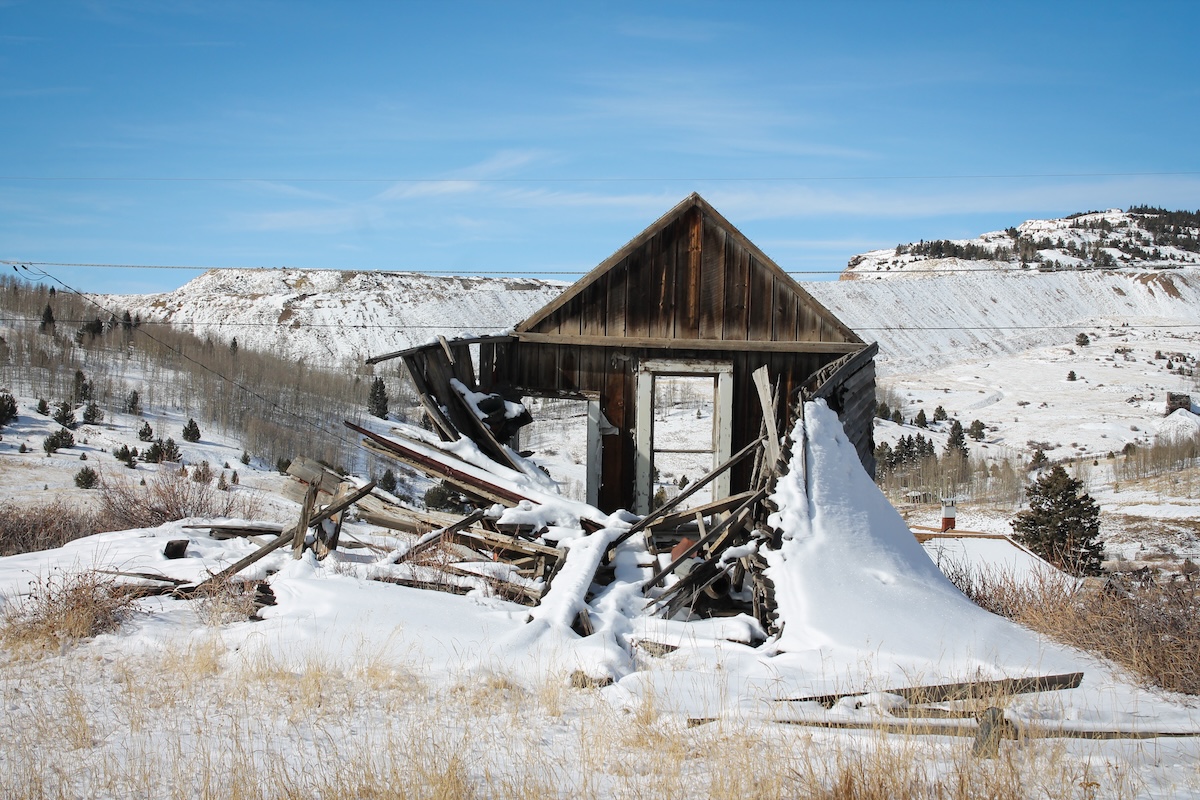
Right next door is the town of Victor, with over 360 residents. It actually looks like a small town. There are several brick buildings and beautiful architecture. This is the Wild West—once an important place, now offering plenty of events and activities, especially in the summer. Now, in winter, everything was closed. It was quiet, with the occasional sighting of someone—or something, like the deer living right behind one of the houses. The local pub-restaurant was open. We enjoyed some American food.
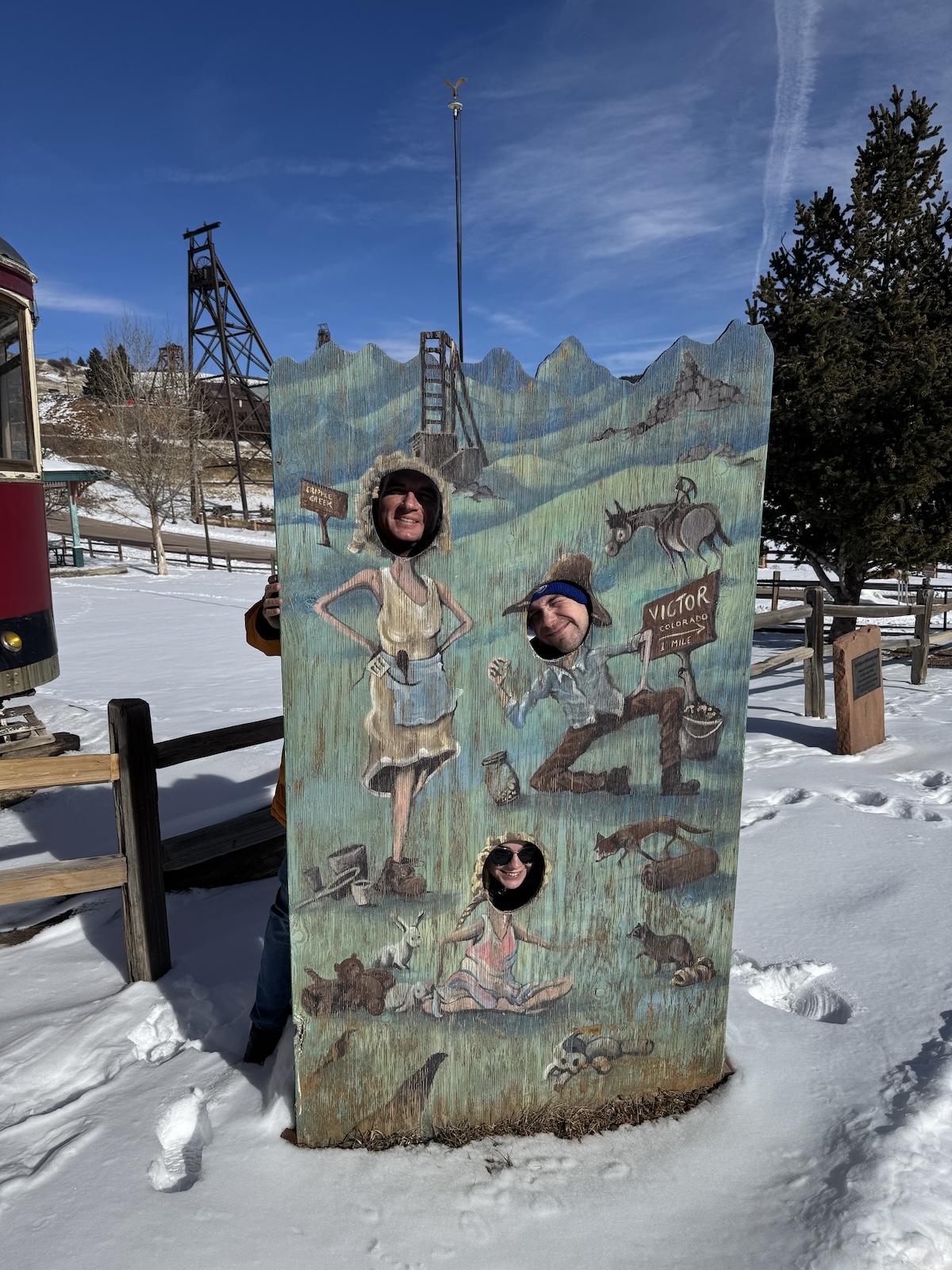
A few minutes further on is Cripple Creek. It’s the best-known of the three. It has a population of over a thousand. Back home, it would be a small village; in Colorado, it’s a town with larger houses, a bustling main street, museums, and plenty of interesting festivals. Every year, it hosts a festival in honor of donkeys, which have become a symbol of support for miners.
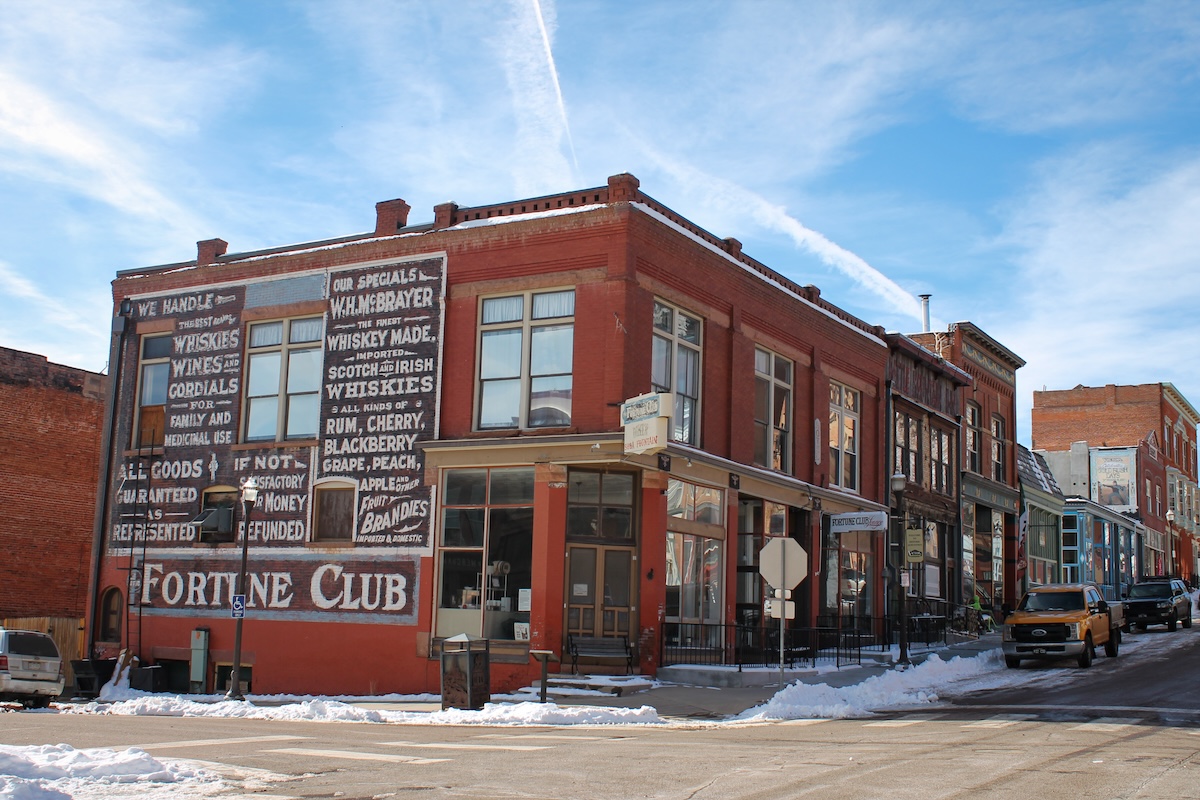
Goldfield-Victor-Cripple Creek. Three beautiful places. A rich history surrounded us at every turn. The world of mining and the Wild West. This, too, is part of the state of Colorado. A big bonus was the journey there and back—we didn’t go through the forest this time, but took the regular route, and yet we still came across unassuming little villages that hid million-dollar cabins deep in the mountains. Around every corner was a different world.

This day-long trip yielded several beautiful photos, which you can find in the updated photo gallery... We spent the evening bowling.
DAY 9 - 01/10 - IN THE FOOTSTEPS OF DINOSAURS AND BISON
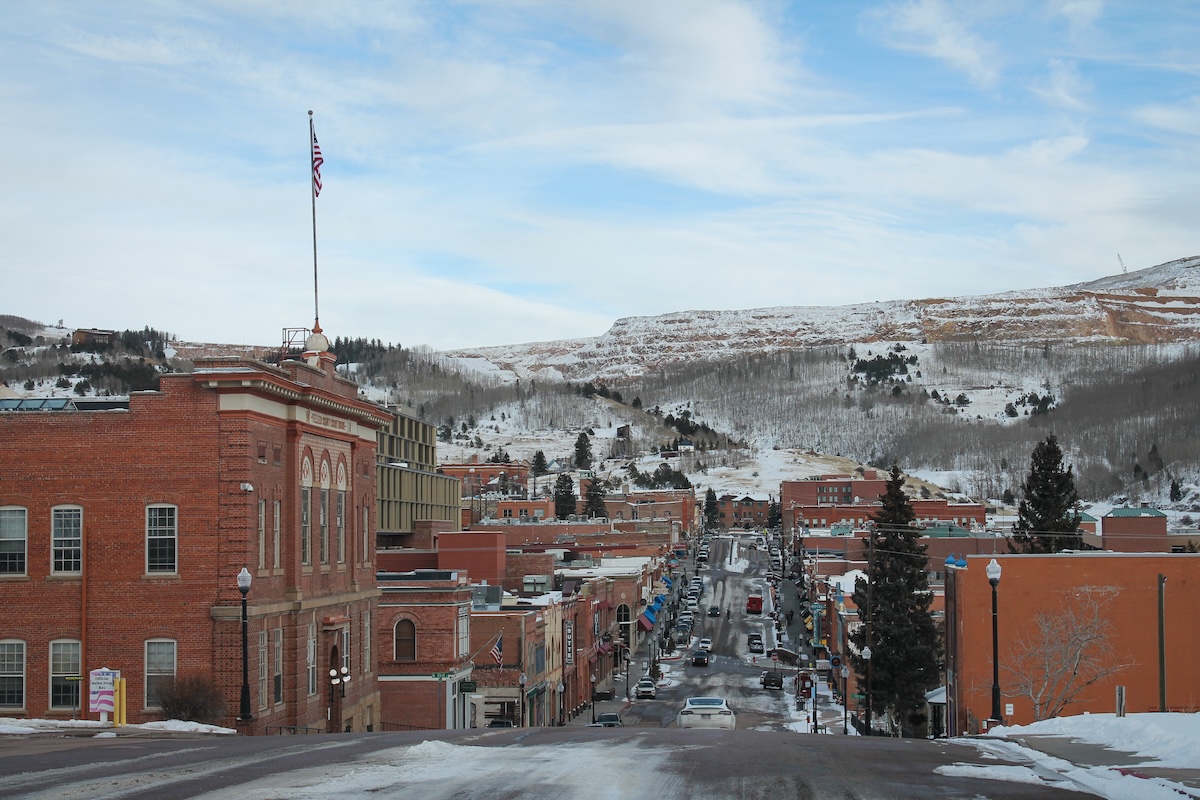
After the heavy snowfall the previous day, there was no trace of the storm. The snow began to melt, but more importantly, the temperatures started to rise. It was back to good old Colorado, full of sunshine and not a cloud in sight.
In the morning, we went to the nearby town of Morrison, specifically to the Dinosaur Ridge. It’s a small building, not a large exhibition, but even there we found one major rarity—the femur of a Camarasaurus, a dinosaur that lived more than 150 million years ago. We could touch the bone with two fingers.
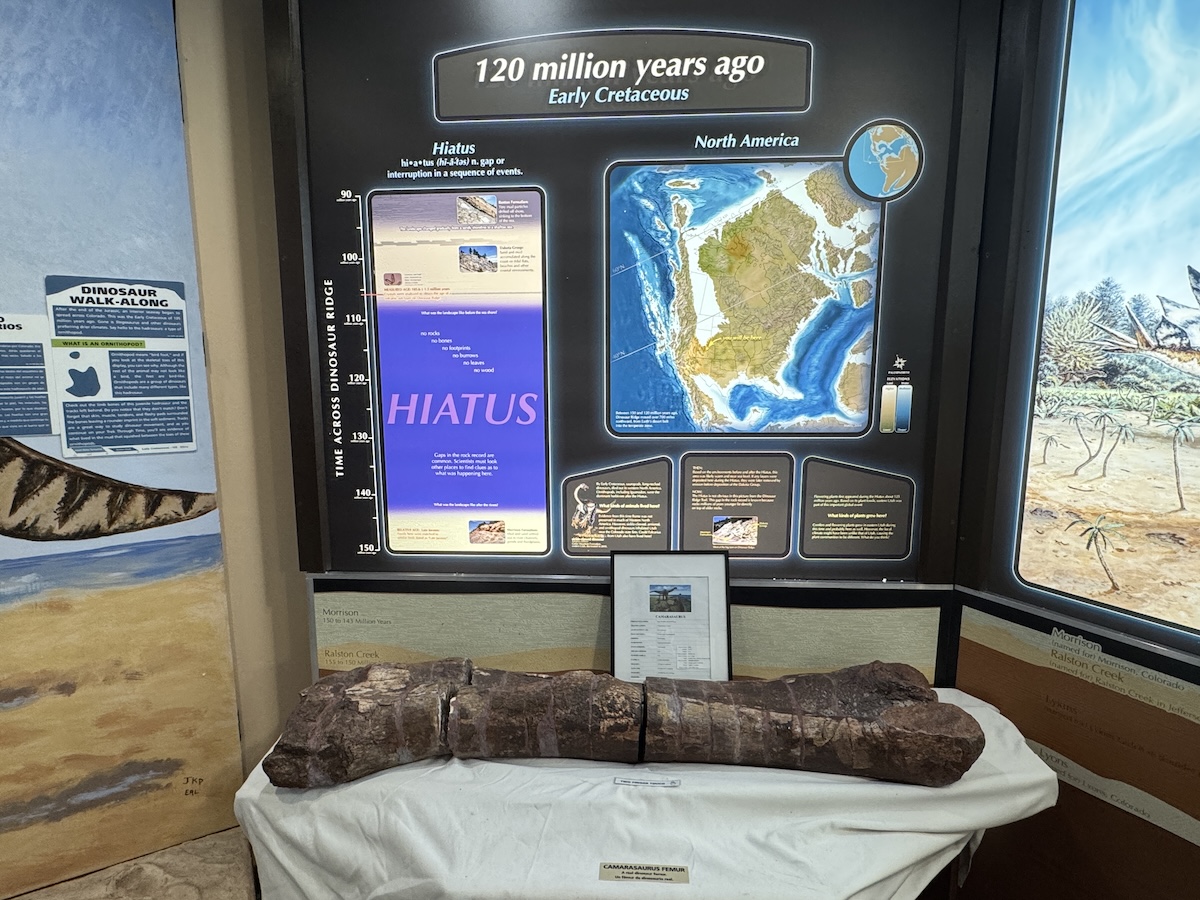
From the museum, which also serves as a research center, we walked along the tour route—literally in the footsteps of dinosaurs. We saw them in the rocks, eternal imprints tens of millions of years old. It’s hard to really grasp history visualized like that... Too bad I didn’t find the documentary about dinosaurs on Netflix until later.

It took us about half an hour to walk this trail, part of which was uphill. We were rewarded with views of the surrounding countryside and, later, a direct view of the Red Rocks Amphitheater. I welcomed the chance to explore the area this way, rather than rushing through it as usual. The weather was absolutely perfect.

Since we were already near the amphitheater, we went there too, just like on every Tour. We took in more views of this unique spot, where bands perform during the spring and summer. In the winter, it’s visited by tourists and athletes, for whom the stairs are a great challenge to push their limits. We also visited the adjacent, renovated museum, where they’ve recently opened a restaurant.

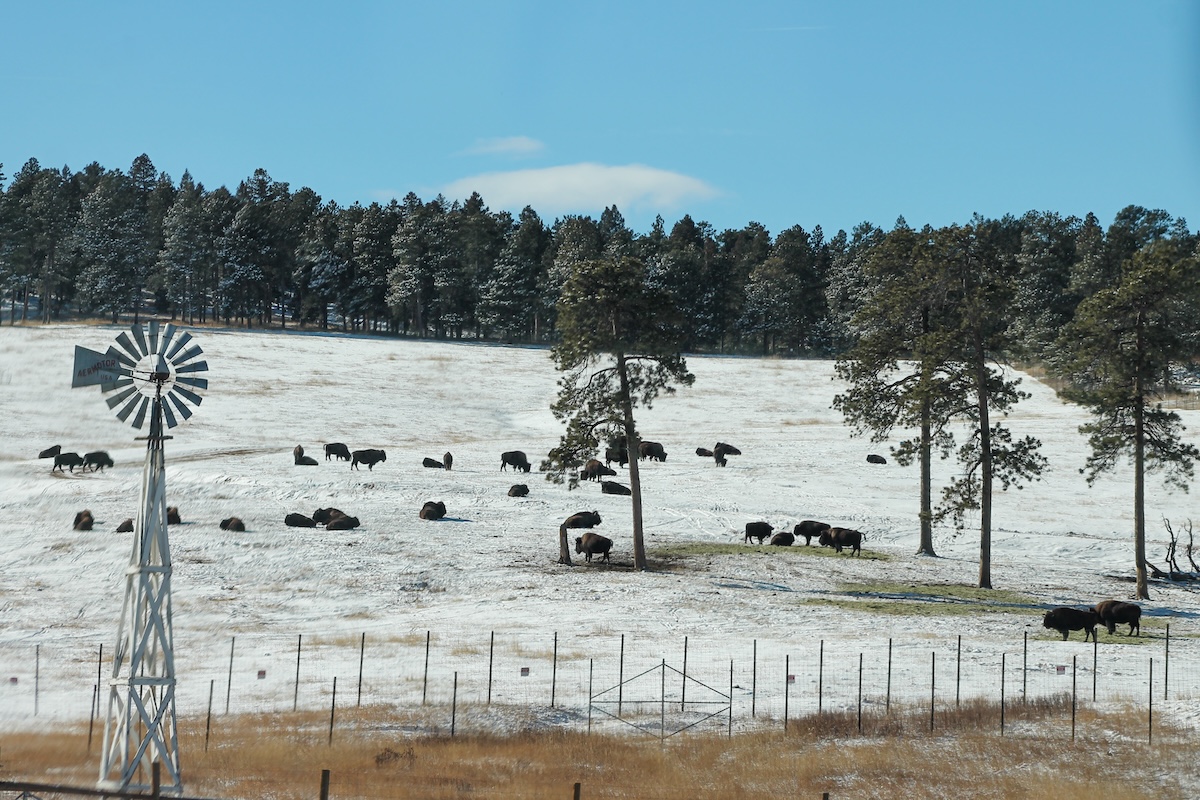
A few minutes’ drive further on, we arrived at a spot I’d driven past countless times over the years, but had somehow always managed to overlook. Specifically, it was the Buffalo Herd Overlook—a place where you can see bison. It’s not a reservation, but a fenced-in area where you can just stop by and watch them.

It was truly another wonderful experience that, in addition to these impressive animals—of which tens of millions once roamed the U.S., but which humans nearly drove to extinction—also offered beautiful views of the surrounding area, a sight that has become routine for locals driving along this highway. Lookout Mountain also offered great views; it is the final resting place of the Wild West legend, Buffalo Bill. We didn’t have time to visit the museum dedicated to his memory (I’ve been there twice already, haha).
We didn’t have much time to spare, since the Avalanche’s second game against the Blue Jackets was already scheduled for 2:00 p.m. local time. We managed to take some photos in front of Ball Arena, meet up with Eurolanche friends—both new and longtime—during the intermissions, and thank them for their support and for sticking with us through these tough times... I’ve always appreciated their support and interest in the project. Today, however, it’s not just hockey that unites us, but also the fight for shared values. I’m glad they are who they are!
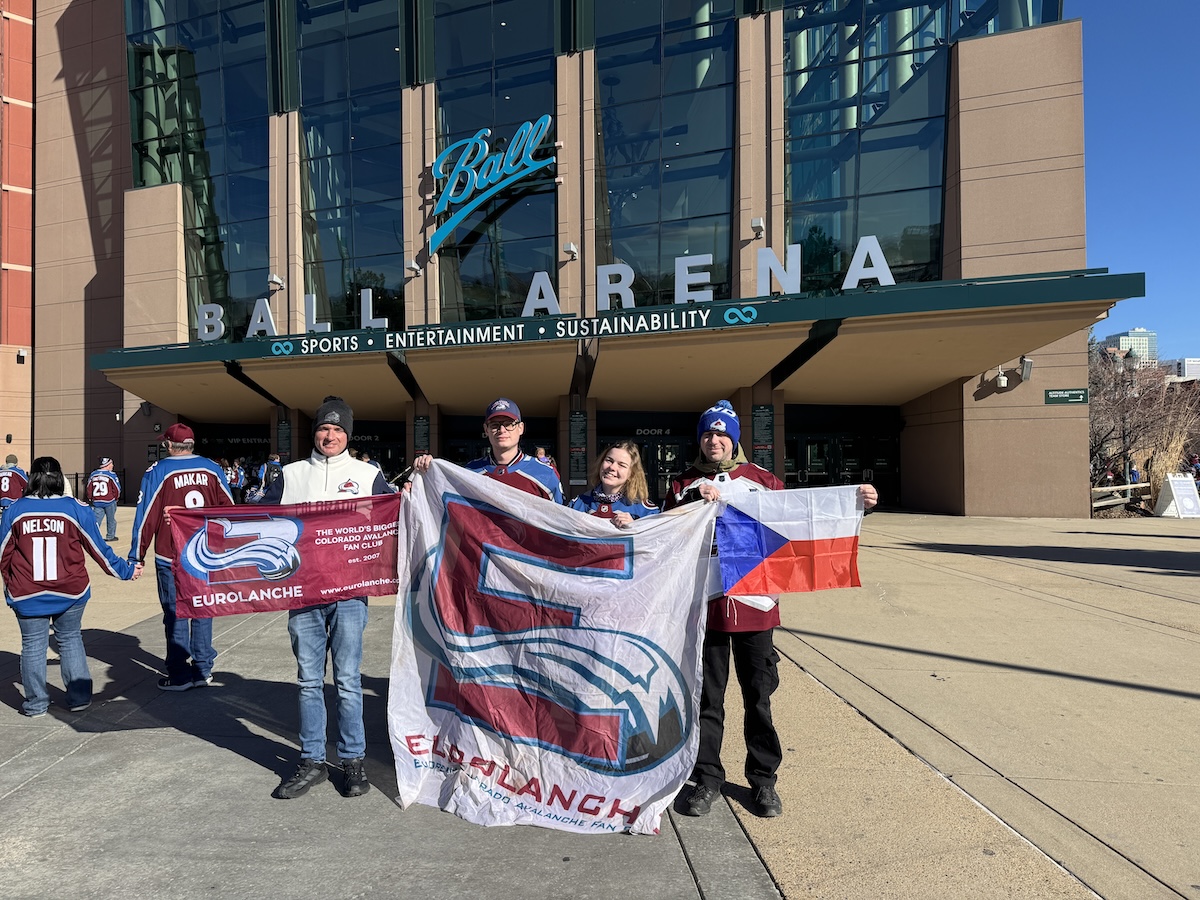
The Avs finally won 4-0 in the 100th game in the history of the Eurolanche on Tour project. You can read more about this milestone in this article and related articles on the Eurolanche website. We were thrilled with our second win in a row. After the game, we accepted an invitation to dinner at Nancy and Jeff’s place—two wonderful people. Thank you!

DAY 8 - 01/09 - SHOPPING, DENVER AND MORE HOCKEY
With the rest of the expedition, winter weather arrived in Colorado. On the first day of the main part of the trip, we woke up to a snowy morning. It had snowed heavily during the night, but what were we to wonder in January... The short sleeves from the previous days were over for me.

The first part of the day was spent shopping for hockey memorabilia and apparel. We visited three classic stops, including the team's Altitude Authentics in Ball Arena, where I also shopped for those Eurolanche members who expressed interest. It was chaotic, but in the end I managed to find almost everything. I only managed to snag a few pieces for myself, as I've had my share of things over the years.
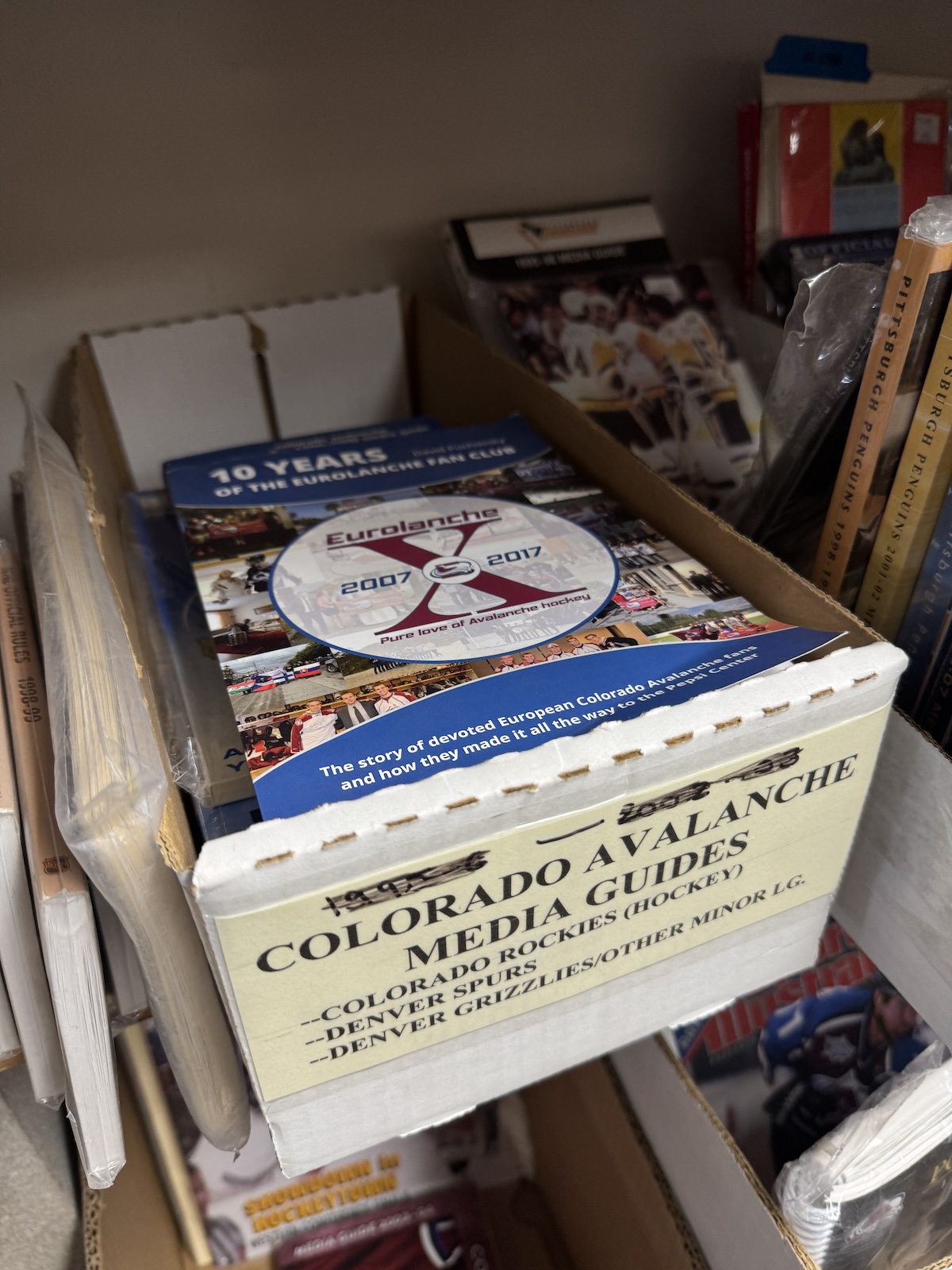
I'm glad that Bill's Sports Collectibles, a store for collectors of all the major sports, has been around for all this time, but also that you can still eat well at Brooklyn's right next to the hall. Bill's still has a book about Eurolanche, which I hid in the Avalanche yearbook collection, almost 10 years later. No one has put a price tag on it to this day.
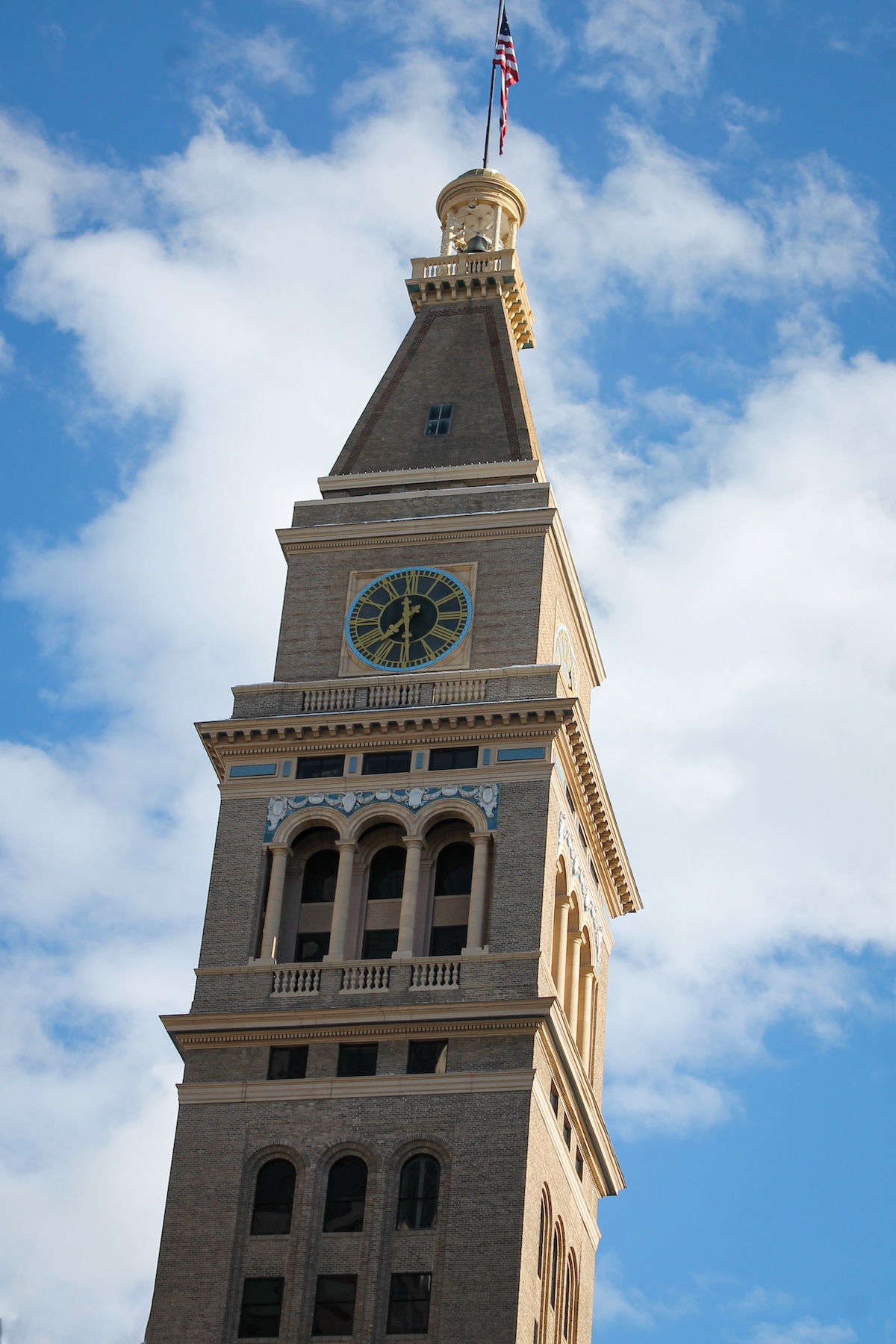
After shopping, we walked around downtown Denver, especially along 16th Street. We started at Union Station, continued to the underground bus station, where we came for the first time on the Tour, and also saw the Millennium Bridge for the first time. A bridge like a bridge... We were expecting a bridge, but it was only a short, artistic overpass. From there, we went deeper into the center, where we bought more souvenirs.

From downtown, we went to Walmart to buy food and drinks. We were interested in products that are not normally available in Europe, such as chicken broth in a paper box, similar to milk.
Next we moved about an hour north of Denver, to the city of Loveland. Just before it, we stopped at Buc-ee's, which is probably the largest gas station in the world - not only in terms of the number of stands, but also in terms of the assortment. Its entire space resembles a large hypermarket. An endless amount of souvenirs, clothes, but especially various types of food. A visit to it is always a cultural experience.
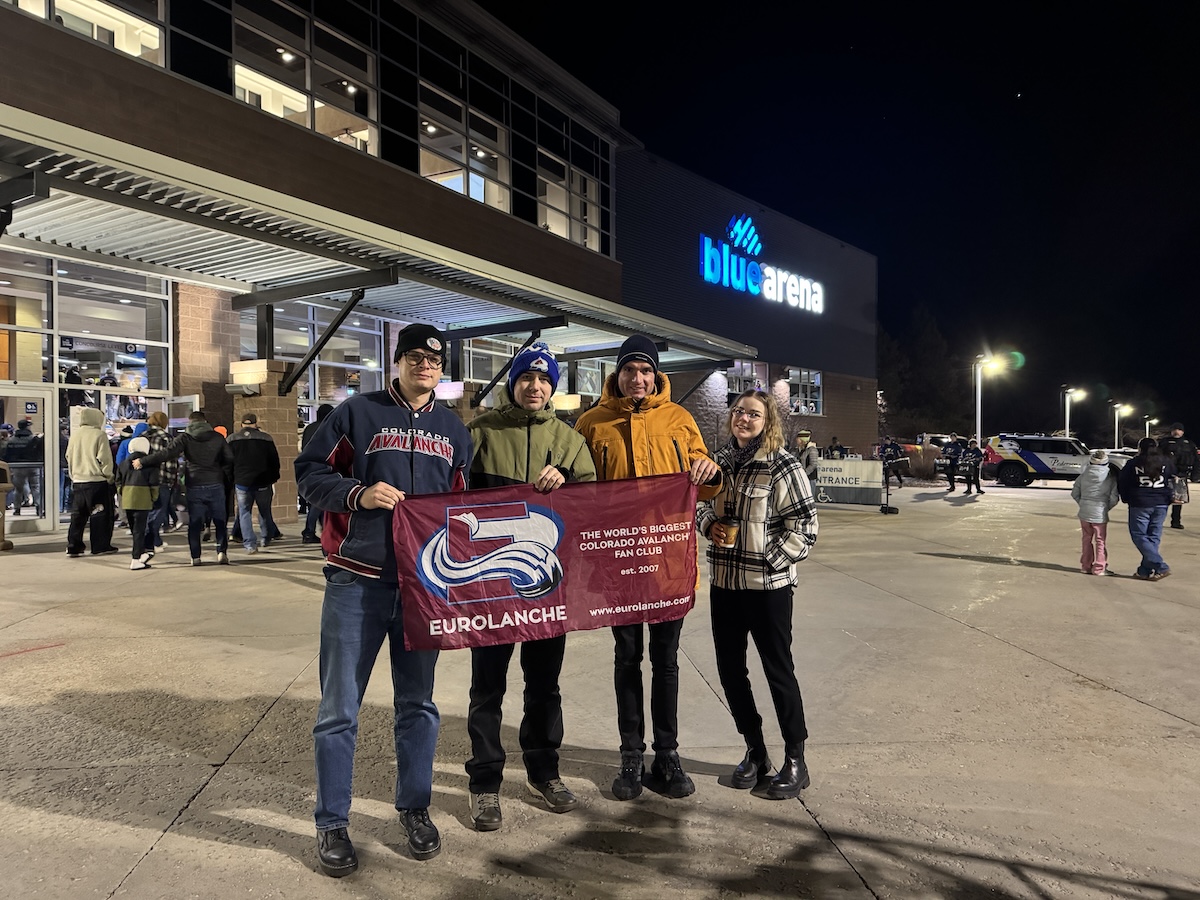
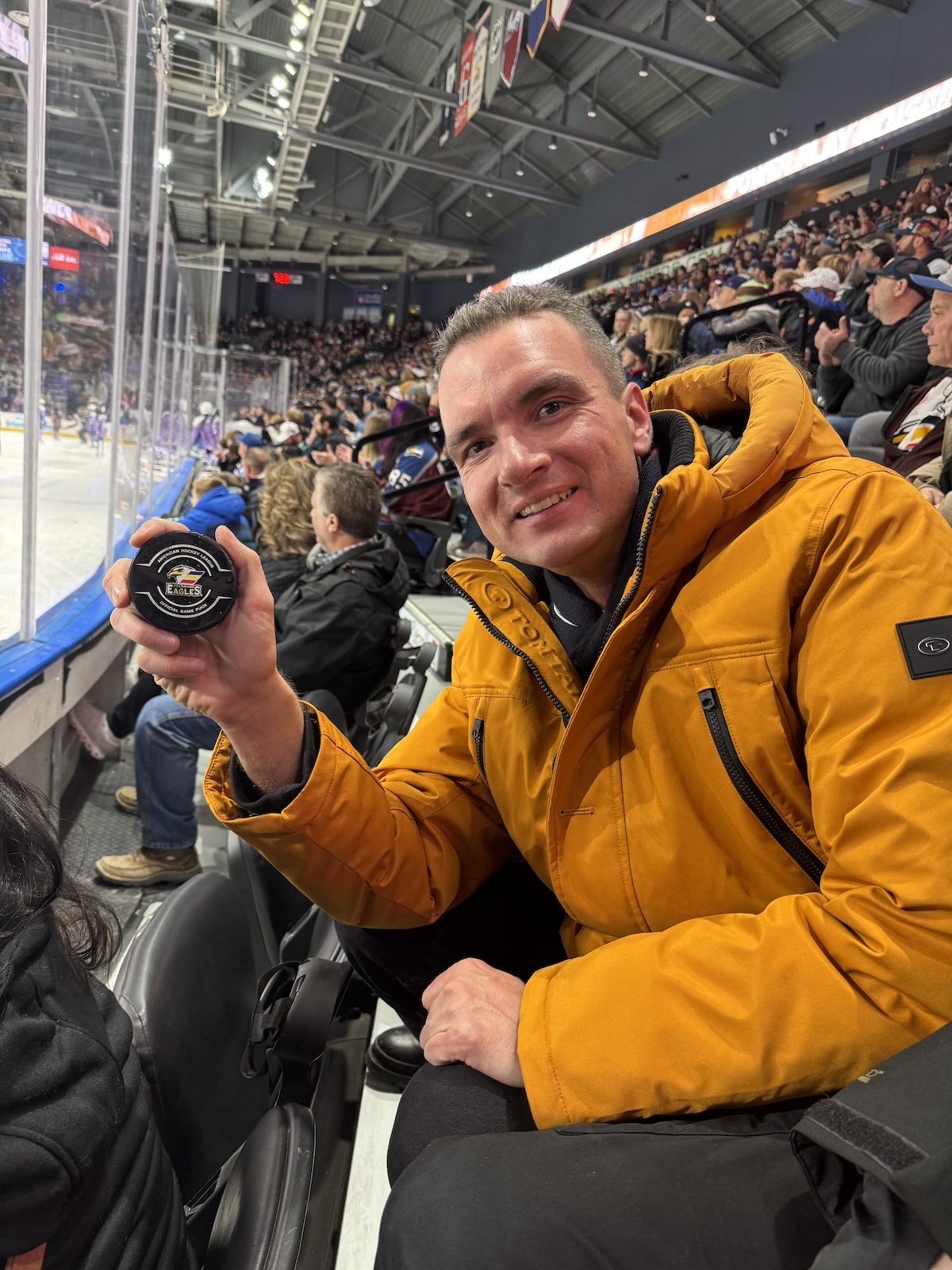
Finally, we arrived at Loveland. Another hockey game awaited us there, this time at the AHL level, when the Colorado Eagles and San Diego Gulls competed. The home team lost 4:5 after an unlucky performance and wasted chances. We saw Ivan Ivan, Maroš Jedlička and Taylor Makar in action. We were sitting in the second row in the corner, which almost became fatal for us. Eliška was hit in the finger by a rebounded puck, which swelled her up and hurt her for days. The puck was caught by Tomáš after it bounced off her, and like a true gentleman, he gave it to her.
DAY 7 - 01/08 - CATTLE IN DENVER AND THE ARRIVAL OF THE CREW
I spent the morning in downtown Denver. After many years, I decided to visit Margaret Brown’s mansion—a woman you all surely know by her nickname (which only became widely used after her death) as “The Unsinkable Molly Brown”. Yes, she is the famous first-class passenger from the Titanic who never pretended to be anything she wasn’t and helped other passengers in such a critical situation. Today, her mansion houses a museum chronicling her life.
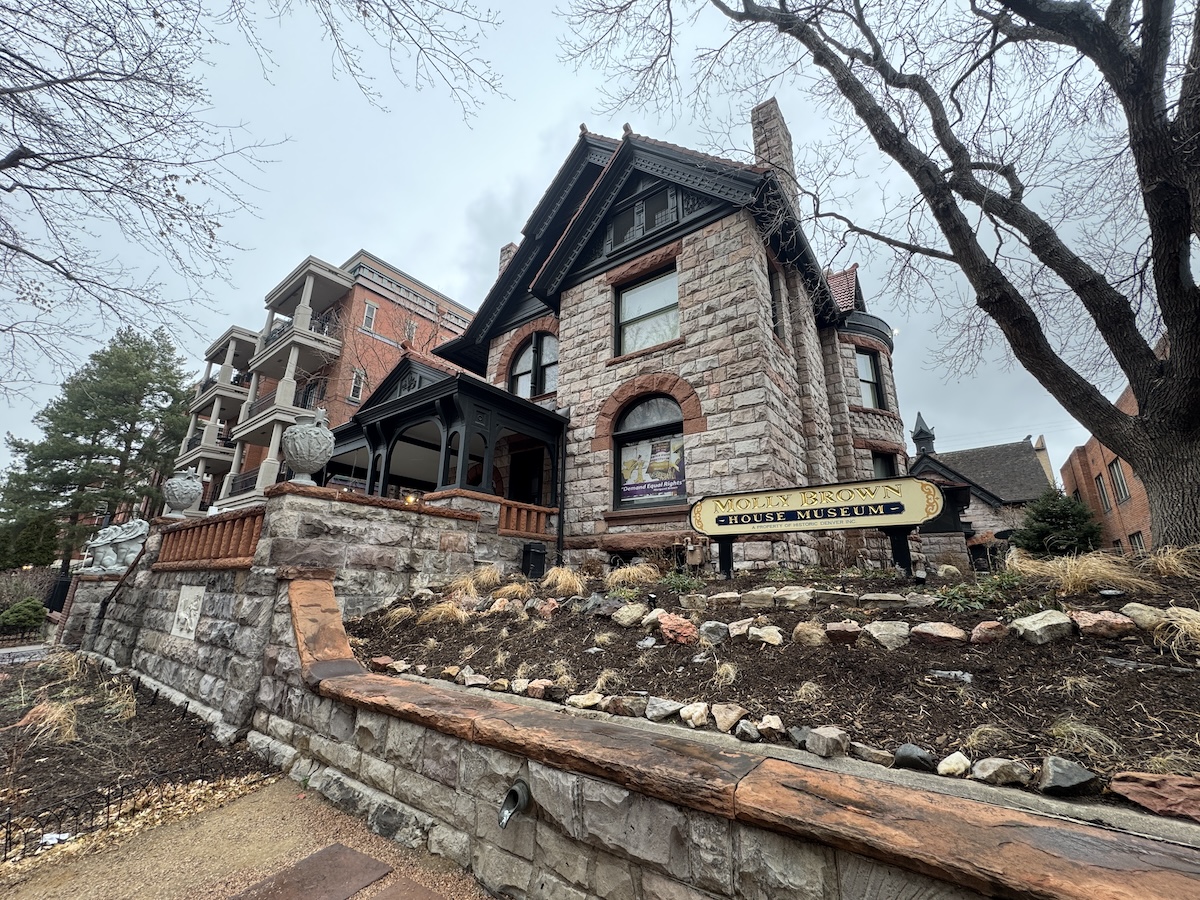
Molly spent nearly 40 years of her life in Denver. She moved into the mansion in 1896. She married well; her husband made his fortune in gold mining... She certainly wasn’t one of those millionaires who craved even greater wealth and couldn’t care less about others. On the contrary, she was one of the most prominent Denver figures of her time. She was literally ahead of her time. Today, the real fake news scene would label her pejoratively, as she was an open, progressive liberal. She championed the rights of women and minorities. She helped the poor. Thanks to her sharp tongue, she righted injustices wherever the state and society failed.

She led a busy, active life in every respect. Her character, as portrayed on the silver screen in the famous film, corresponds to reality down to the last detail. The mansion contains several places and relics that commemorate her journey on the famous ship. I also saw a temporary exhibit there—a small statue from Egypt that she had bought in Africa before returning to the U.S. and that she had in her pocket during the disaster. You’ll also read about how she compelled the other wealthy passengers on the lifeboat to contribute financially to the poorer survivors. She was a force of nature, and it’s wonderful that the city of Denver honors her in this way.

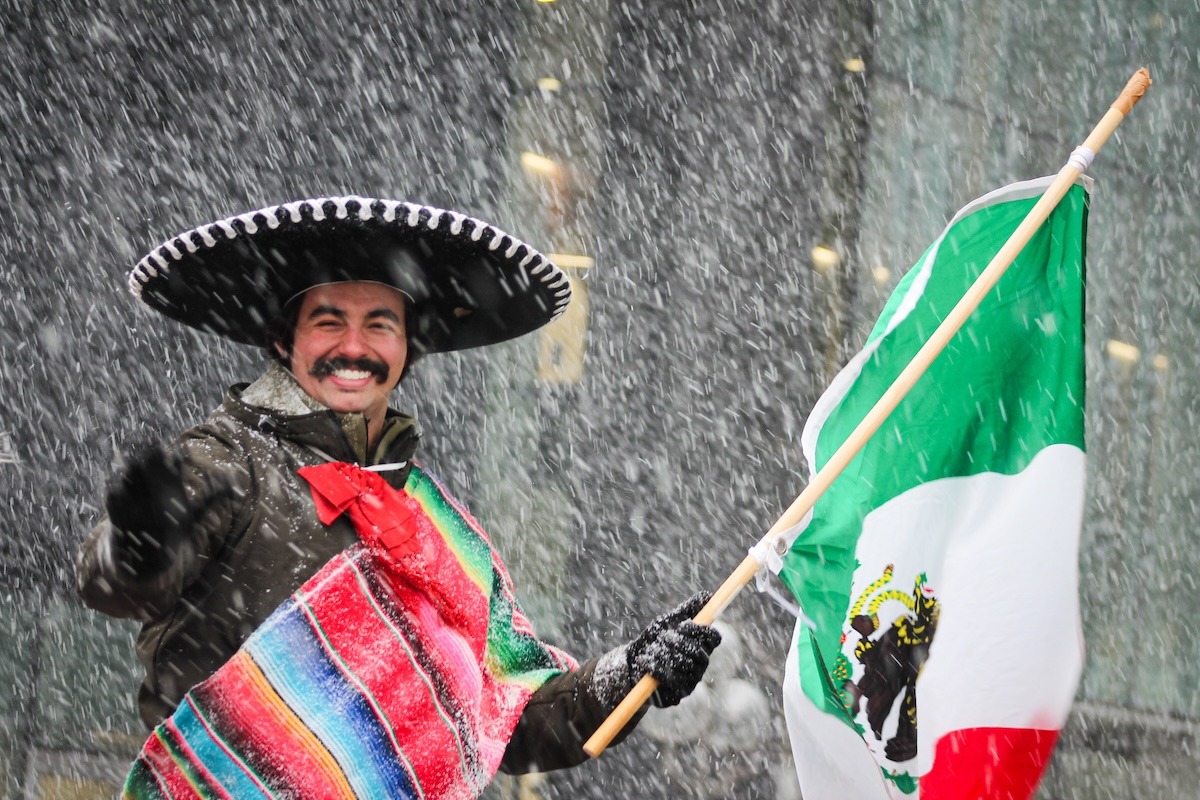
I then headed straight to 16th Street, the heart of Denver—until recently known as the 16th Street Mall—where an unusual parade was taking place: a procession of cowboys, horses, and livestock made its way from Union Station through the city center. That’s because Denver was kicking off another edition of one of the oldest livestock and rodeo shows, the National Western Stock Show. The first edition took place in 1906.
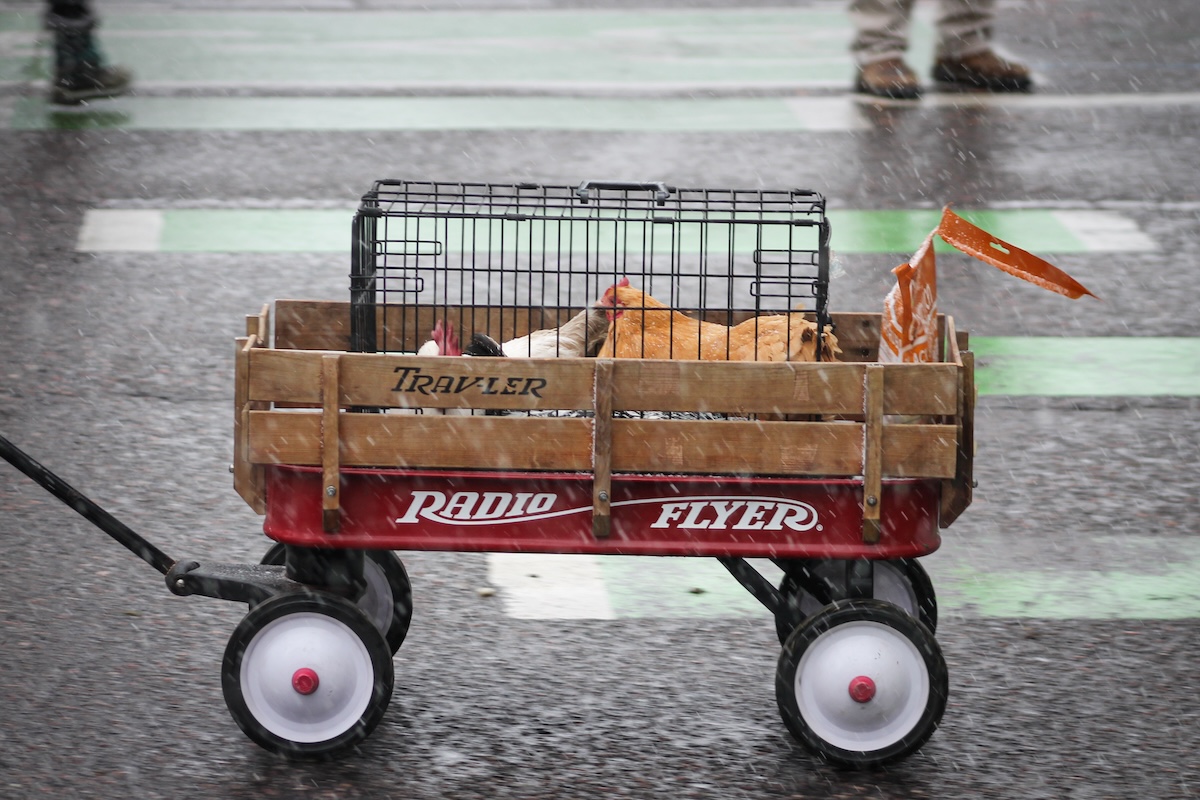
In the city center, I came across some unusual scenes involving animals. The show’s participants rode on horses, in sleighs, and on various carts and wagons. It was another cultural experience, though it was spoiled toward the end by heavy snowfall. It was the first time it had snowed during my stay in Colorado; until then, the sun had been shining, and the weather felt more like early summer than the middle of winter. I recommend checking out the parade in the updated photo gallery.
In the afternoon, I waited for the rest of the Eurolanche on Tour XVI expedition at the airport. Tomáš, Robert, and Eliška arrived safely from Vienna via London. This was Tomáš’ third trip to Colorado; he was last here 10 years ago. Robert was making his second visit, having previously come straight to the 2024 playoffs for his first trip, and for Eliška, it was a new experience.

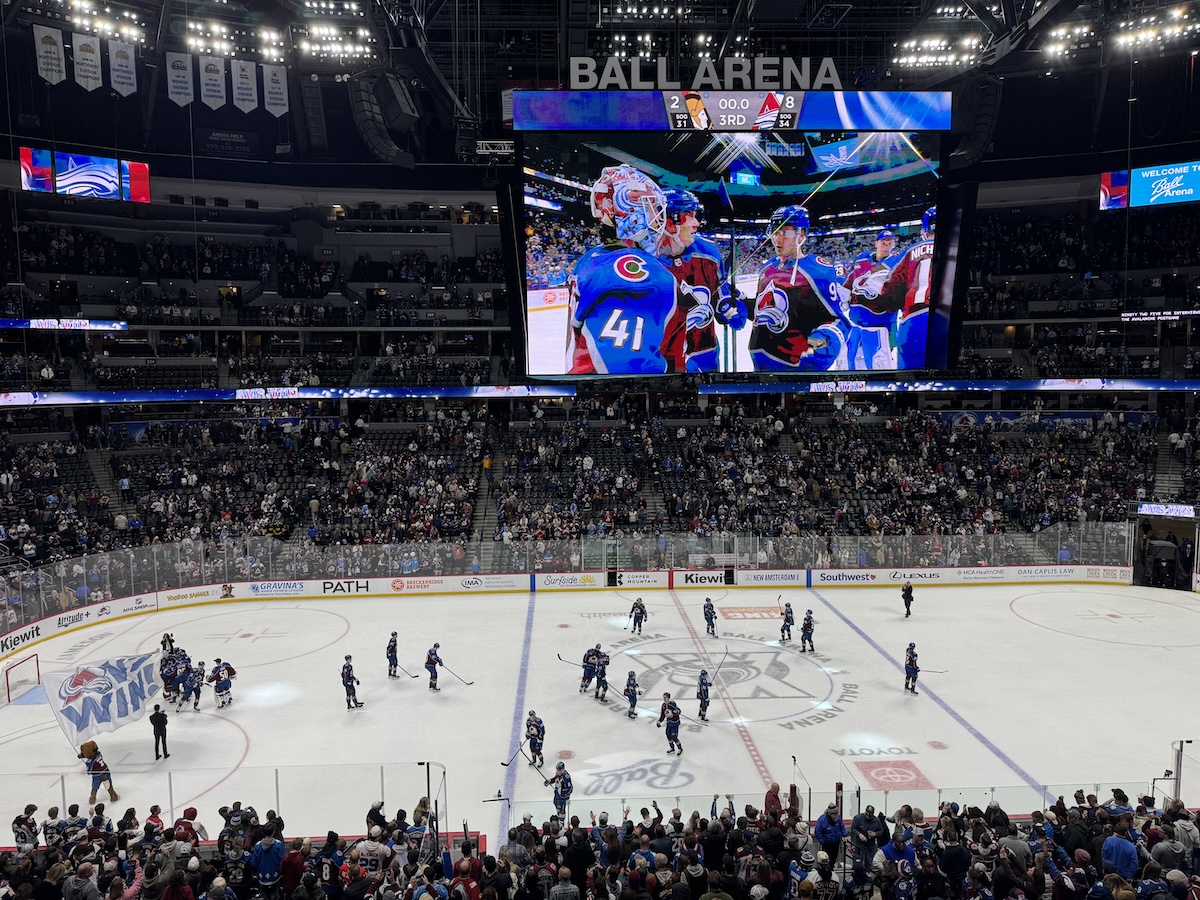
After three away games and a 1-2 record, which I watched on TV, I finally got to see the first home game. First, we checked into the hotel together and headed out to Game 1. The Avalanche defeated the Senators 8-2. We couldn’t have asked for a better start to the first leg of the Tour!
DAY 6 - 01/07 - A DAY I'LL NEVER FORGET
This day will forever be etched in my memory as one of the most memorable. I will truly never forget this day. For me, it not only embodied the concept of a "solo trip"—the first leg of the entire Eurolanche on Tour XVI—but it also brought an incredible wealth of experiences from morning to night. When I was planning the itinerary, I told myself I’d pack in as many activities and places in Colorado that I hadn’t visited yet as possible, and maybe even throw in some oddities—the kind that fill an entire book called “Weird Colorado.” The adventure could begin for me, and very early in the morning at that.
My first stop was the town of Broomfield, right next to Denver. I stopped at the local museum, which consisted of a small house and an adjacent building where honey was once produced. Neither of them was my destination, and they were closed anyway. Behind the museum lies the resting place of a dog named Shep. I had come to his grave. Shep lived from 1950 to 1964. Decades ago, employees who collected tolls at a nearby highway toll booth took in the stray dog. From then on, Shep kept them company every day and greeted drivers. Just a few years ago, his grave was moved to its current location due to construction.

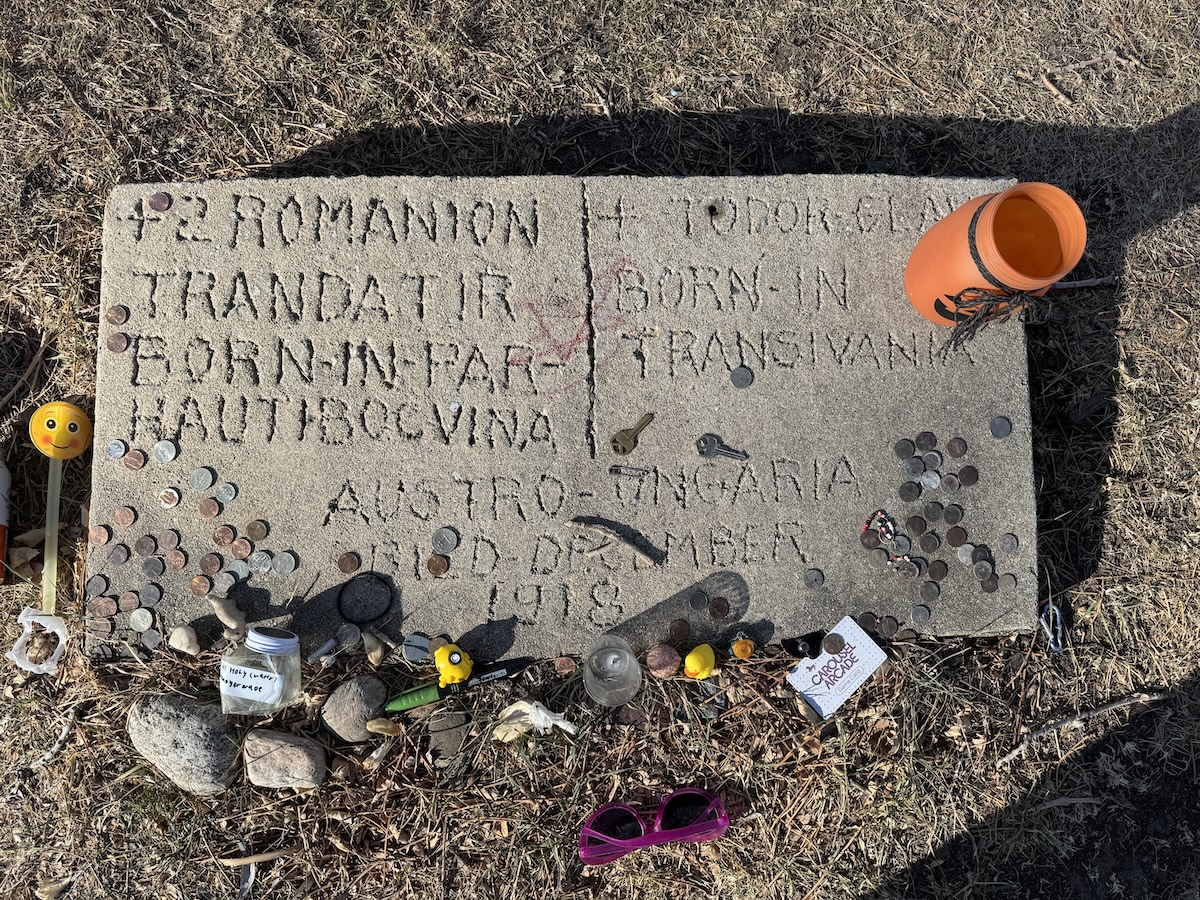
I continued on to another cemetery in the greater Denver area, this time in the town of Lafayette, which welcomed me with its unique, cozy, and historic atmosphere. A visit there sometime in the future is definitely worth considering. On this particular day, I only had time for its cemetery, where I visited the grave of a local urban legend—supposedly a vampire. In reality, Teodor Glava from Romania—more specifically, Transylvania—is buried there, and that is where the legend that he was a vampire originates. He died in 1918 of the Spanish flu; he had no relatives in Colorado, and he shares his headstone with another Romanian. People leave all sorts of items on the headstone, which also bears the inscription "Austria-Hungary"...
A third cemetery. An hour from Denver lies the small town of Plateville, where "Rattlesnake Kate"—whose real name was Katherine McHale Slaughterback (1893–1969)—is buried. Kate became famous when, in 1925, while riding a horse with her 3-year-old son, they were surrounded by 140 migrating rattlesnakes. Kate fired all four bullets from her pistol and killed the rest of the rattlesnakes with a sign that read “No Hunting.” She made dresses, shoes, and other accessories from snakeskin. Her outfit is part of an exhibition in another city. Later, she also kept snakes. There were several unique gravestones at this cemetery, which you can find in the photo gallery.

An hour later, heading northeast, I arrived in the town of Fort Morgan. The stench from sugar beet processing was everywhere. Besides the geese in the local park, I was intrigued by the local “Rainbow Bridge”, whose arches resemble a rainbow. At 183 meters, it was the longest bridge of its kind in the world when it was built over 100 years ago. It later survived several floods, becoming a powerful symbol for the locals and the most famous landmark in town.

Next to Fort Morgan is an even smaller town, Brush, which was known in the 20th century as a stopover for ranchers driving thousands of head of cattle from Texas all the way to Montana. This is an incredibly interesting part of U.S. history, but there isn’t room to go into it here. The small local museum was closed. Even though I called the number written on the door, the tour didn’t work out, but the guide will be happy to show me around next time. Who knows if I’ll ever make it back there...

After that first half of the day, a crazy—but incredible—itinerary awaited me. I headed north to places where there’s almost nothing. These are the so-called Eastern Plains. Endless plains, occasionally punctuated by rocks and small ravines, as if to hint at the most famous part of Colorado. You won’t find any mountains here. It’s as if you’ve found yourself somewhere in Indiana or Nebraska. Nothing but flat land.
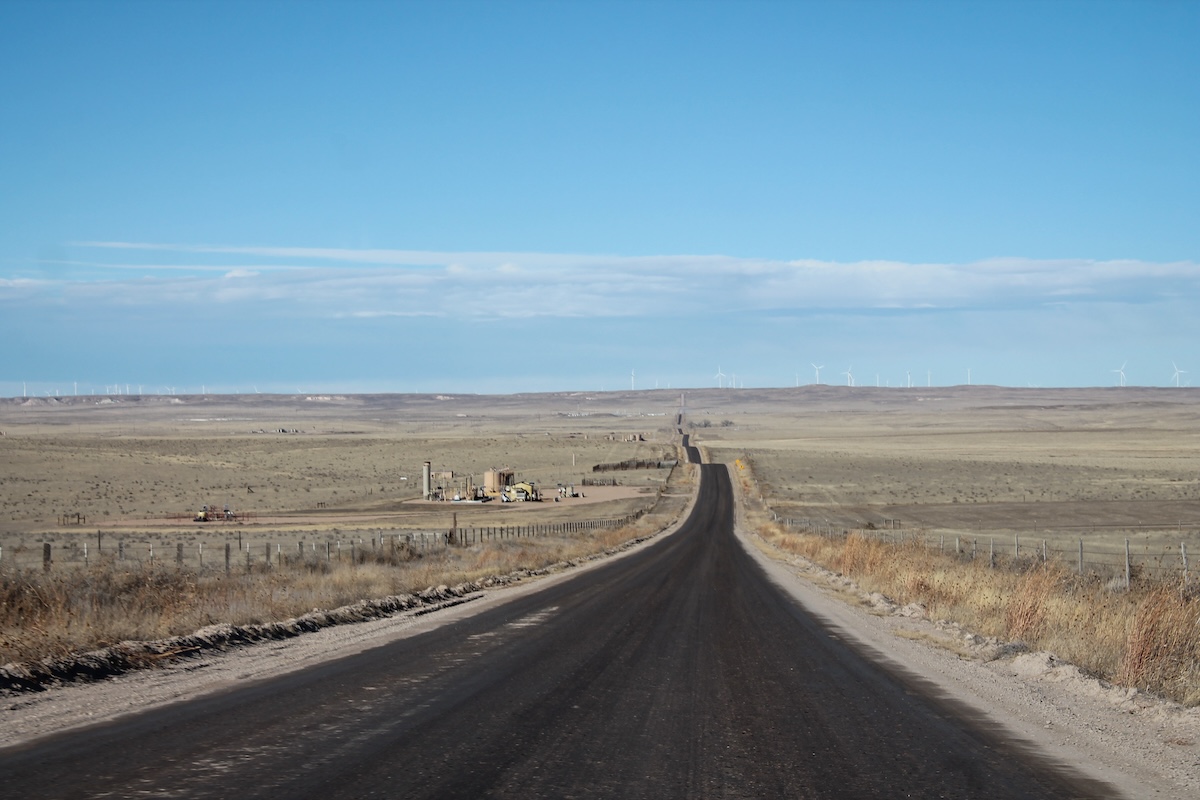
Under these conditions, I drove for another hour to reach Pawnee Buttes, two sandstone formations over 75 meters tall. They are the only ones to have withstood the water and wind. They are part of the Pawnee National Grassland. The final stretch to them was extremely difficult; I had to drive on a gravel road. No one around, just me. I told myself that if something happened to me here, no one would ever find me...
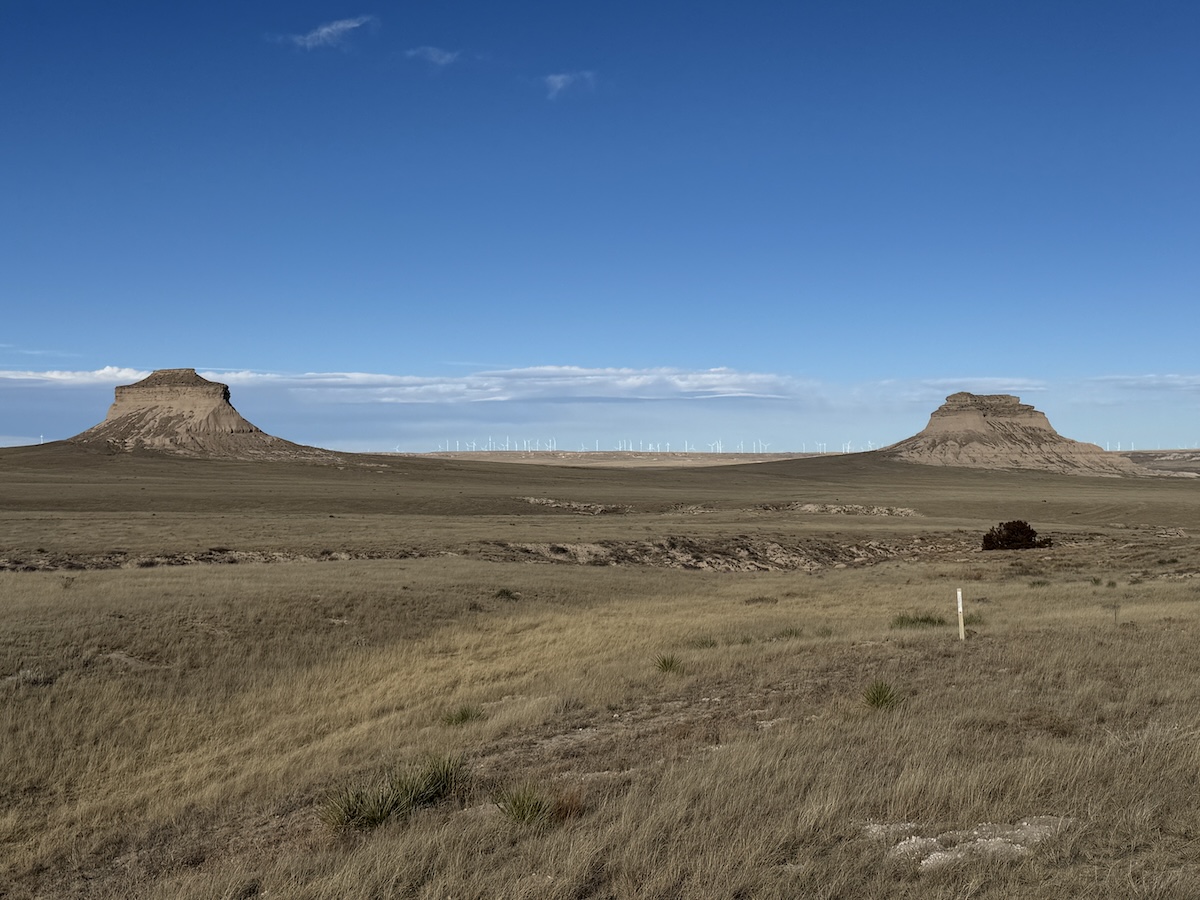
You can’t drive directly to the Pawnee Buttes; I took photos of them from the closest possible vantage point I could reach and set off again. No longer north, but rather southwest. I also recalled how a school nearby had caught my attention. Again, it seemed to be in the middle of the desert. Life here must be truly unique.

If I’d felt a bit crazy up until now, the real show was just getting started. I wasn’t riding on paved roads at all, but on nothing but gravel paths, of which there are countless in these plains. They crisscross vast fields and farms, shortening the journey, but even so, it’s incredibly tiring to drive straight, straight, straight. I felt like I was on another planet. Here and there I saw farms, some more luxurious than others, but otherwise nothing. Once again, I wondered if I’d get out of this situation unscathed. I pressed the gas pedal a little harder and prayed that the car would hold up. If I had to go slower, I’d still be there today.

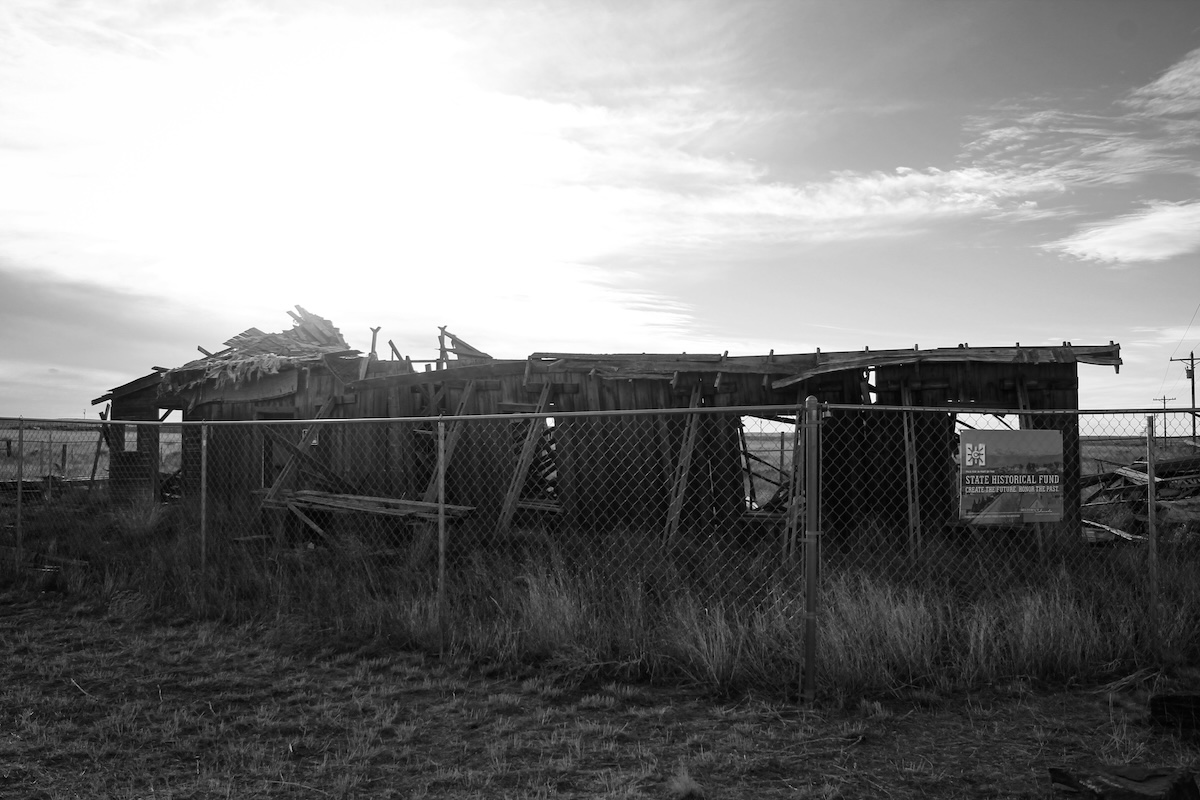
Along the gravel roads, I saw several historic, half-ruined little houses. I got some beautiful shots. I recommend checking out the updated photo gallery.
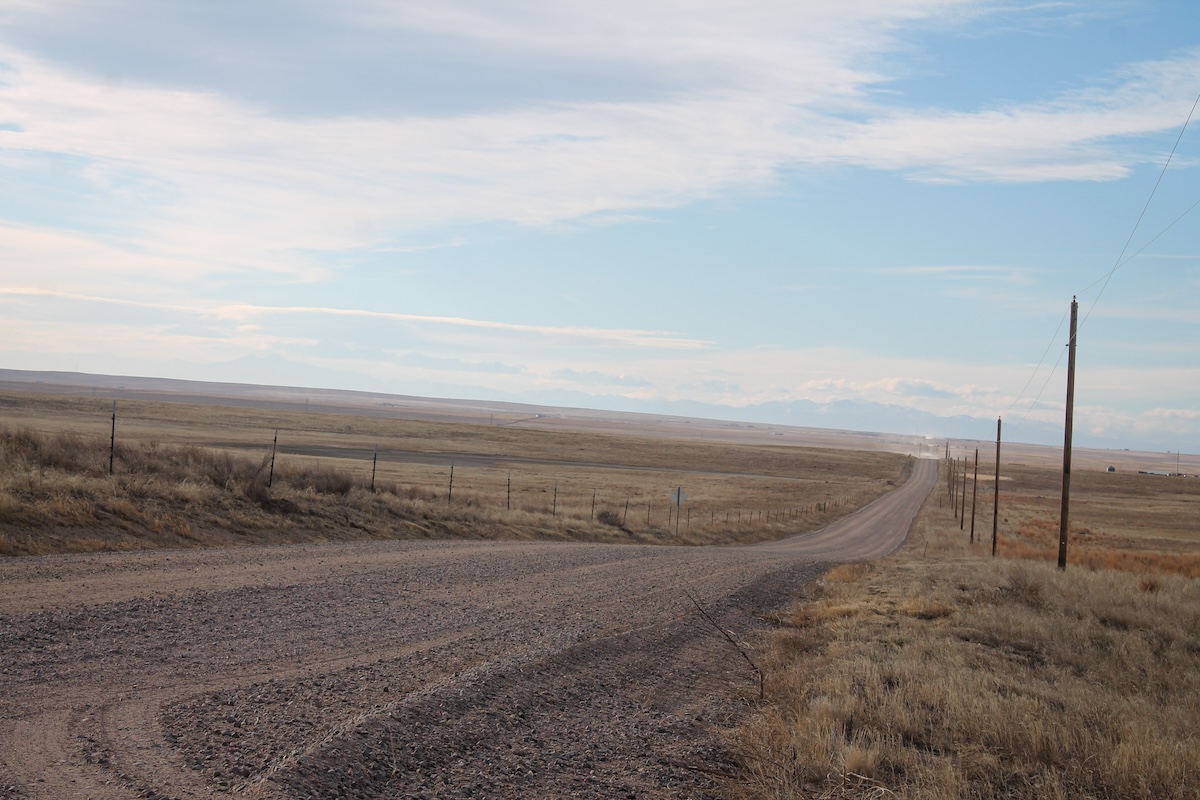
When I finally made it onto the paved road, I was over the moon. The car had made it; all that was needed was a minor repair to a plastic part. I quickly stopped in the ghost town of Dearfield. It was founded in 1910 by an activist (Oliver Toussaint Jackson) as a free town for African Americans. It thrived with over 700 residents, but crises in the following decades turned it into a ghost town, though I did see a few houses where people live today. Its main landmark is the ruin of its founder’s wooden house. Standing there, I smiled as I compared what history means to Americans and what it means to us Europeans. Of course, ours is richer, more developed—after all, my later trip to Florence captivated me precisely because of Italian history... Americans know this; my friends laugh and say themselves that for them, something is historic even if it’s only a hundred years old. That’s why it might seem “strange” to a European what Americans, even here in Colorado, turn into landmarks. Well, that’s history for you. It’s diverse, it’s interesting, and it can’t be the same everywhere. I love it on both sides of the Atlantic.
From the Ghost Town, I arrived in Severance, known as the "Rocky Mountain Oysters Capital." At the famous local restaurant "Bruce's," I quickly had some so I could make it to the last stop on my itinerary. Forget about oysters! Rocky Mountain Oysters are fried bull testicles! Honestly, I wondered if I should try them, especially since they’re associated with my zodiac sign. But since I was already there… They tasted rubbery—nothing to write home about. Ouch.

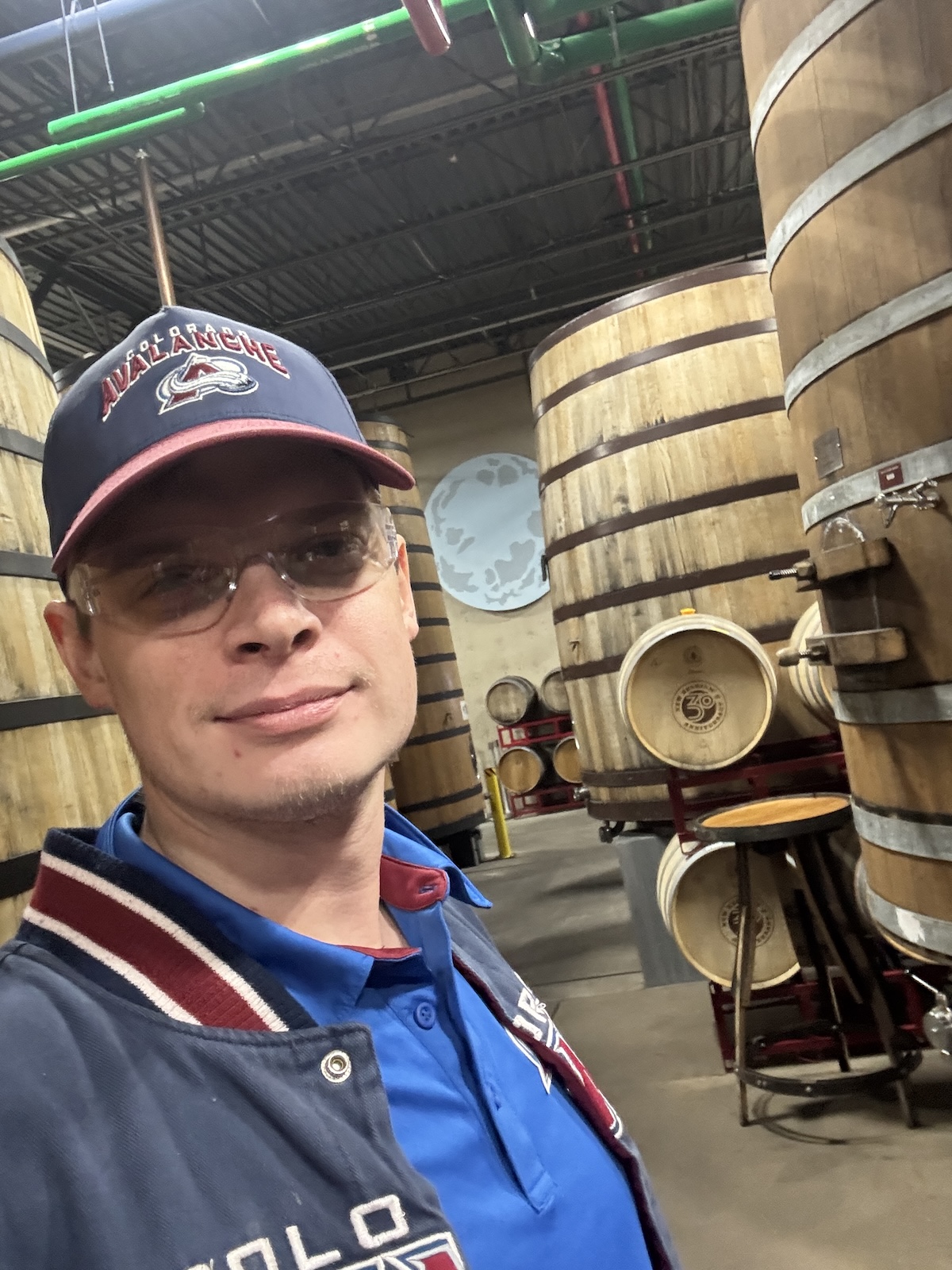
The last stop of this endless day was in Fort Collins. It’s a big city now, not like the ones I’ve visited so far. It wasn’t my first time there, but I did take my first tour of the local New Belgium brewery. Compared to the megalomaniacal and world-famous Coors, it’s its smaller (independent) sibling. Its owner was inspired by European beer and offers several interesting varieties. The tour was intimate—there were only three of us—which made it all the more interesting. It was another one of those moments I’ll probably never forget. I’m glad I managed to make it to the scheduled tour after everything that happened.
And yet that wasn’t the end of it. While in Fort Collins, I made my way to the library, in front of which stands a statue… of a dog! The statue commemorates Annie the Raildog. Annie ended up at the Fort Collins train station in 1934, where she lived until her death 14 years later. Everyone took care of her. She was the town’s darling. She was especially loved by soldiers returning home from World War II.
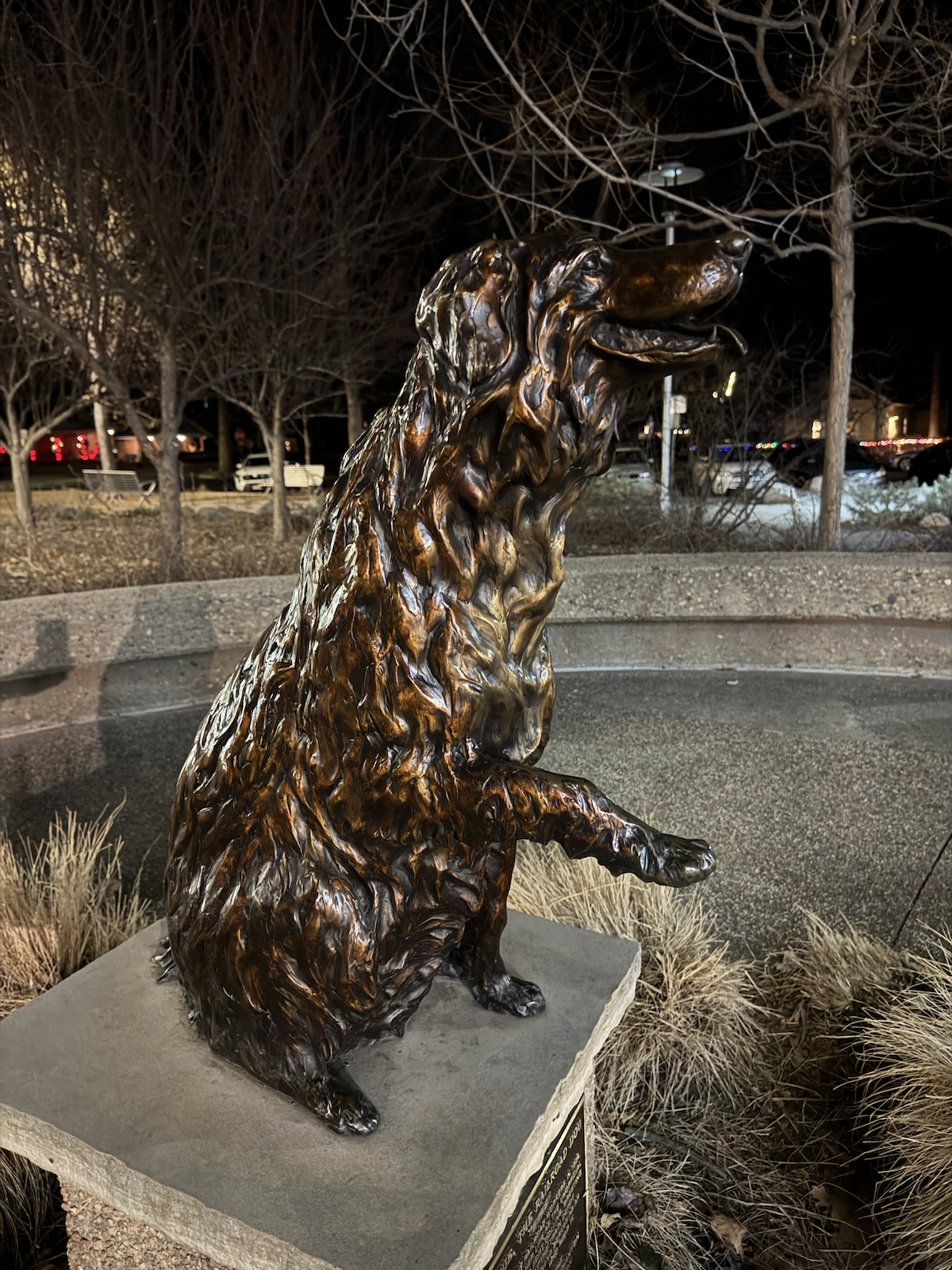
And that was really it. Next came the roughly hour-long drive to Denver. In total, I drove 600 kilometers (370 miles) and spent over 7 hours on the road. It was a wonderful day!
DAY 5 - 01/06 - COLORADO SPRINGS AND THE WOLVES IN THE FORESTS
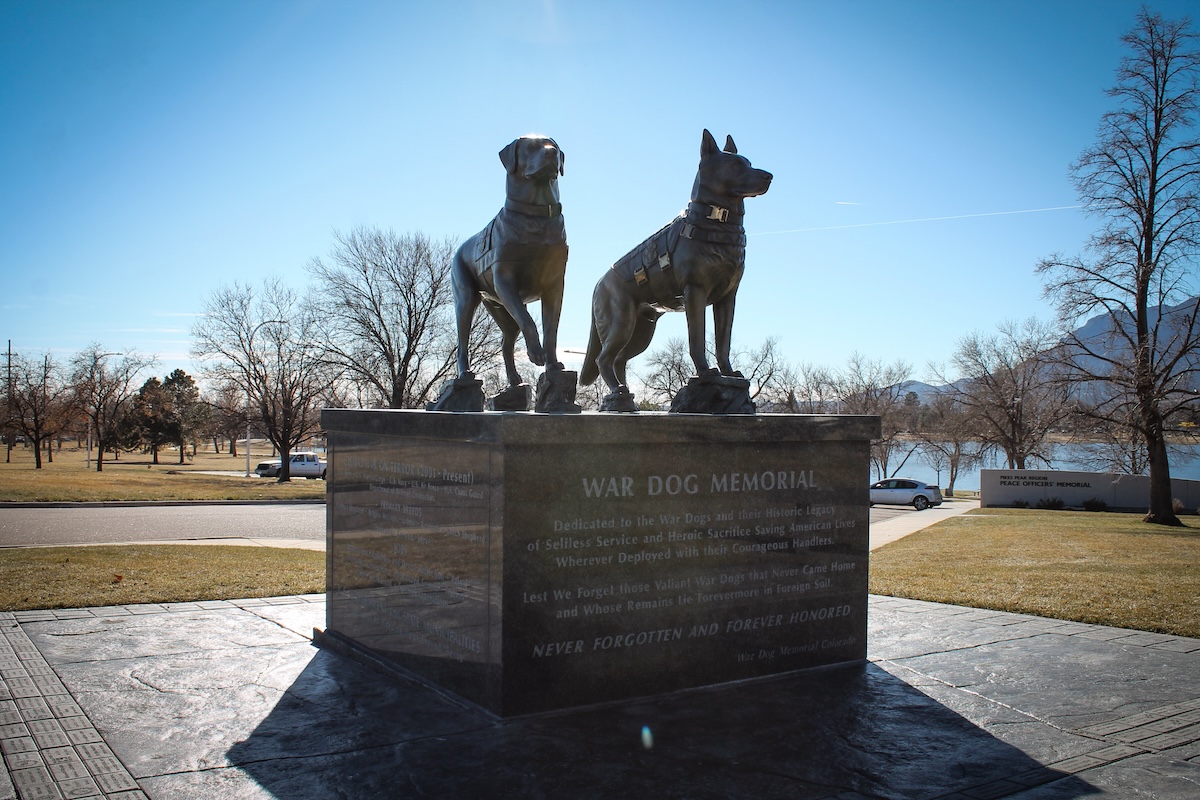
We started the morning with Ken over breakfast at the nearby Red Rocks Grill in my favorite little town, Morrison. There’s only one main street, but its atmosphere always makes it worth a visit. The restaurant was great, like something out of a movie—a classic mountain “chalet” with massive wood and stuffed animals (which I appreciated the least).
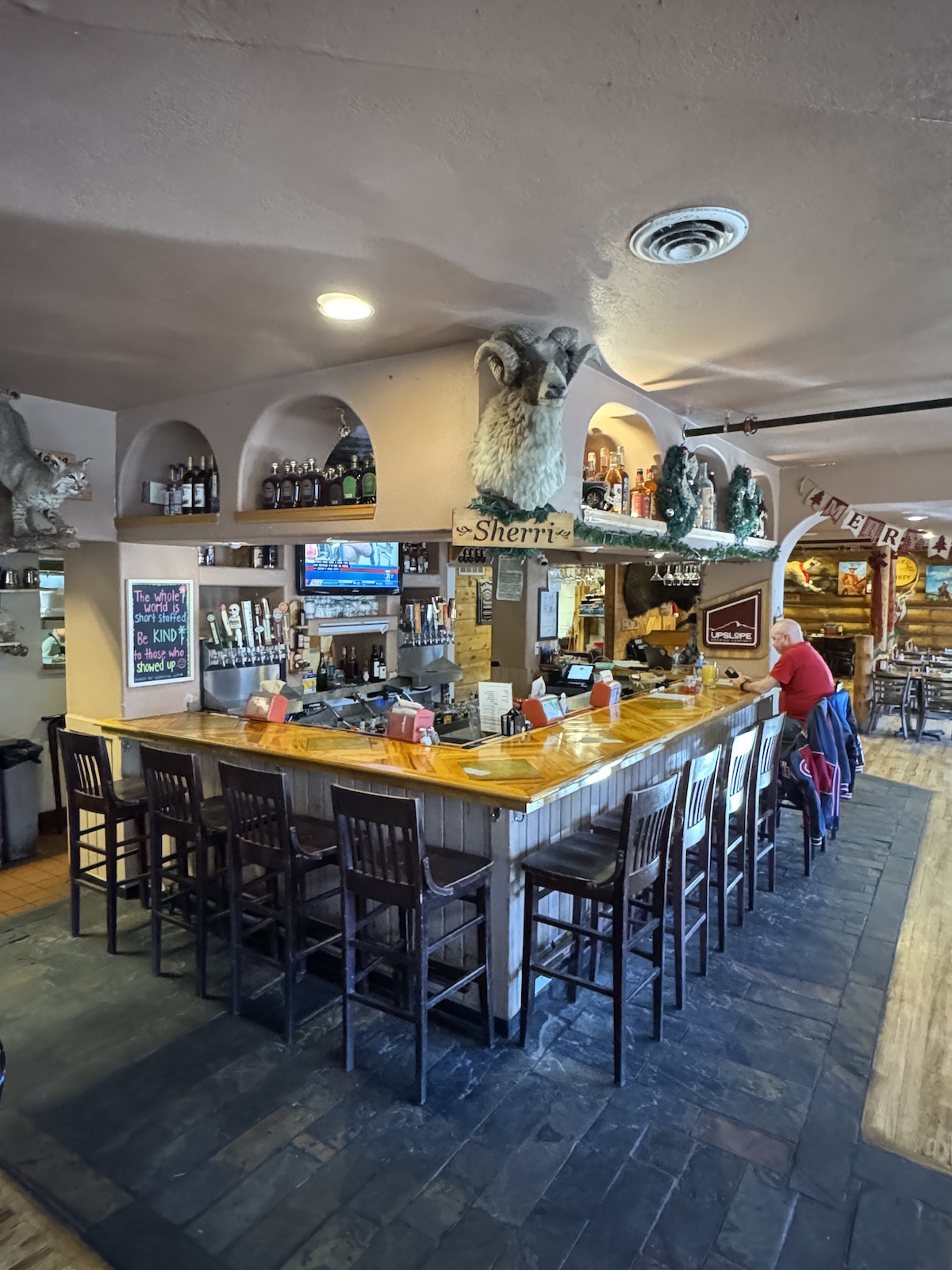
For the second day in a row, I headed to Colorado Springs, this time for several activities in a row. First, I went to Memorial Park, where I unexpectedly stumbled upon a memorial to firefighters. My original goal was a memorial dedicated to working dogs deployed in various conflicts—from the U.S. perspective, spanning from World War II to the ongoing war on terrorism.
After a complicated search, I found the memorial dedicated to man’s best friend and photographed it from every angle. Once there, I discovered that it is part of several smaller memorials, each dedicated to a specific branch of the U.S. military. Just then, a carillon began playing the American national anthem from the center of the grounds. I must admit that for the first time I felt a bit strange, specifically in relation to Trump’s policies, which have truly discredited every aspect of the U.S. In any case, even here it must have been true that not even Trump could touch the memory of those who lost their lives in service to their country—let alone the dogs.
Time flew by quickly, so I had less than half an hour before my next stop. I practically rushed through the Colorado Springs Pioneers Museum—thankfully, admission was free. This city museum offered a glimpse into the history of Colorado Springs, but it definitely required at least 90 minutes to two hours, which I certainly didn’t have.

The main event of the day was a scheduled visit to a wolf rescue center—specifically, the Colorado Wolf and Wildlife Center. The facility is tucked away in the woods, which is charming in itself. In large fenced-in areas, there are several dozen wolves of various species, as well as foxes and other animals. I paid a few extra dollars to take part in a tour during which the guide would feed the wolves—tossing raw meat from a bucket over the fence right in front of the visitors.

Even before the tour began, I managed to read a text from a memorial plaque about the two "founding" wolves of the facility, who were literally in love—as their photograph clearly shows. I also learned about the horrors the wolf population in the United States had endured. Due to rampant hunting, the once-numerous population became an endangered species. Thanks to rescue centers like this one, there is still some hope for their survival. I’m glad that the state of Colorado has some of the strictest laws for their protection, though some states are literally going against nature...
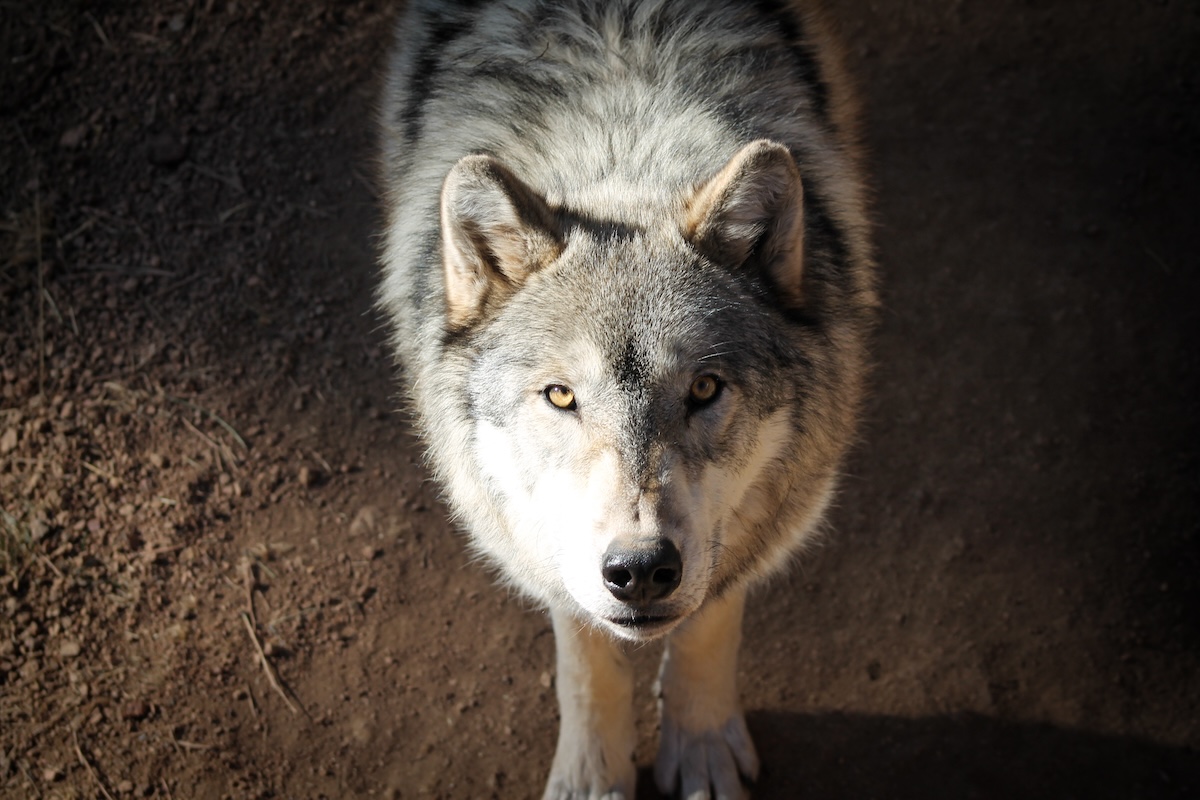
The tour was an amazing experience; I recommend it to every animal lover, who will surely appreciate the on-site gift shop as well, where, for example, a talisman in the form of a small bottle containing wolf hair was available. At the end of the information-packed tour, we were invited to “howl,” to which the wolves responded in kind—and certainly better than we did. Experiencing this in the forest was incredible; I can’t even imagine the atmosphere of the nighttime tours. It’s a shame they’ve already canceled the close-up tours.

From the mountains around Colorado Springs, I rushed back to Denver, once again to the Czech hockey pub SoBo 151. The Avalanche were playing their third away game during my stay. Unfortunately, they lost their second game in a row, this time to Tampa Bay 2-4. It was as if their luck was running out... The atmosphere was definitely improved by my longtime friends from Eurolanche, whom Ken and I met up with there.
DAY 4 - 01/05 - GALLERY, BOTANICAL GARDEN, BUTTERFLIES, AND CABBAGE SOUP
I stopped by the well-known IHOP chain for breakfast, but the artificial atmosphere didn't appeal to me at all... I spent the morning at the American Museum of Western Art—The Anschutz Collection. The gallery building is located right in the center of Denver, and its history, dating back over a hundred years, was as wild as the West itself. Today, you won’t find anything quite like that inside. Spanning about three floors, the paintings chart the art of the American West from the 19th century to the present. If a layperson wants to get an idea of what life was like not only in Colorado but also in the relatively recent past, the paintings of various artistic styles offer their imagination millions of scenarios for a diverse imagination.
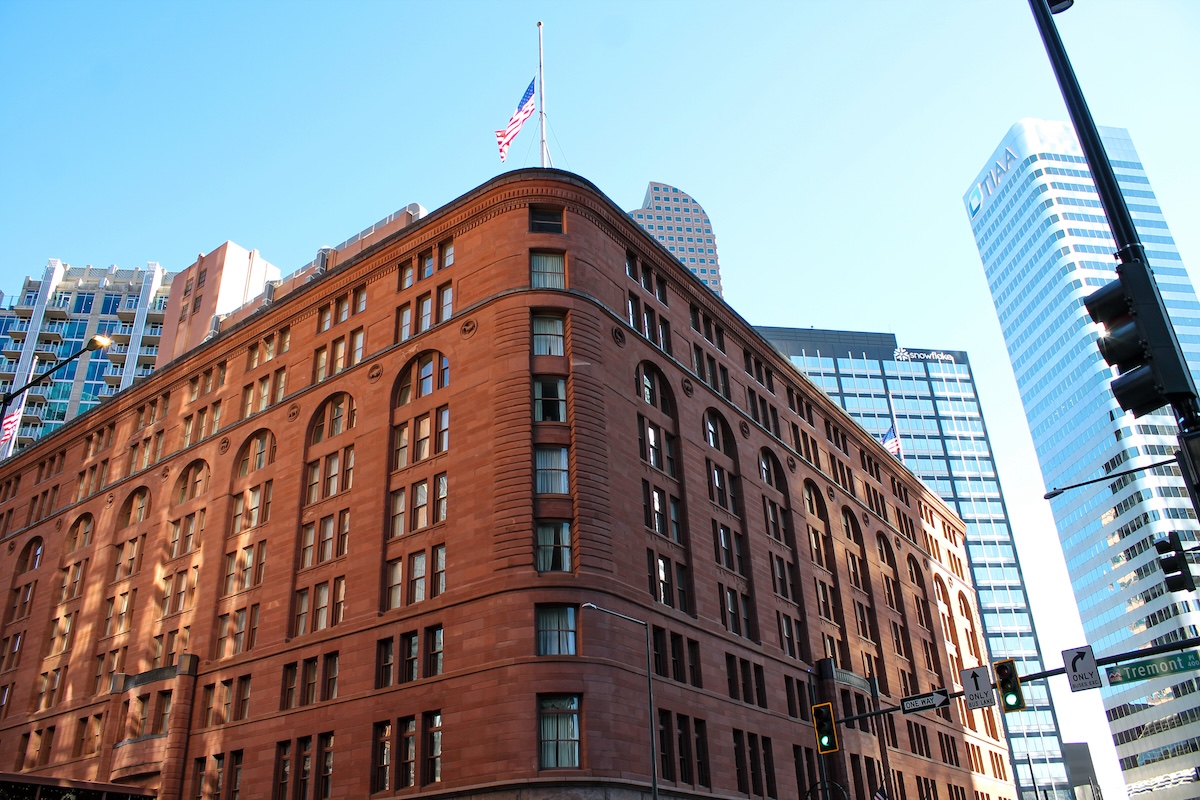
Photography was prohibited inside, which is a shame, because some of the pieces were magnificent. The ground floor near the reception was lined with dozens of historical photographs of Denver and Colorado. It’s unbelievable how quickly life in the U.S. has changed. Where 120 years ago there were unpaved roads and horse-drawn stagecoaches, skyscrapers now reach for the sky. At least I managed to capture the nearby famous Brown Palace Hotel in the photo.
The next stop at the Denver Botanic Gardens was a disappointment for me. Although the garden was incomparably larger than the tiny gallery, it struck me as boring, a feeling exacerbated by what I considered its chaotic layout—I kept getting lost in it. On the one hand, it accurately depicted the partly arid environment typical of eastern Colorado—which is commendable—but it seemed as though the rest of the state’s colorful diversity was missing.
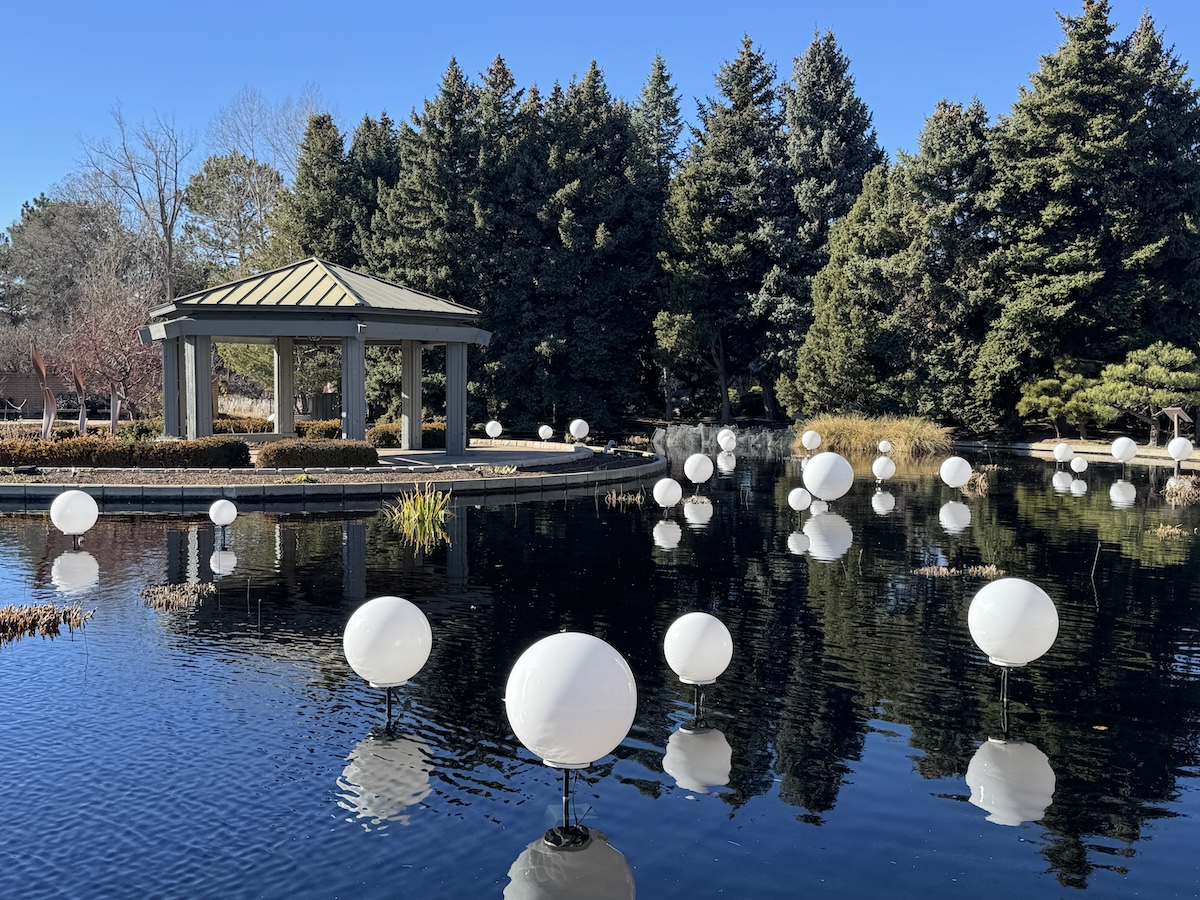
To get my fill of nature, I visited the Butterfly Pavilion. The first rooms contained several species of insects, reptiles, and spiders. The highlight was a huge room filled with butterflies. Some of the colorful specimens stand out in the photos. Otherwise, it was pretty standard—the kind of thing you’d find in our neck of the woods.

After returning home to Ken and his family, I went shopping with his son for the remaining ingredients needed for the cabbage soup (kapustnica) We went to King Soopers, which is something like our Lidl. I searched in vain for white, fermented cabbage in brine... I had to improvise until I found its sour cousin in a jar. It wasn’t the same kind of cabbage we have back home, but it was very similar. I enlisted the help of the local staff in my search. Just when it looked like we’d have to do without dried mushrooms, a single bag was found after all—the clerk fished it out from somewhere high up on the shelf and, handing it to me, said he didn’t even know they sold such a thing.
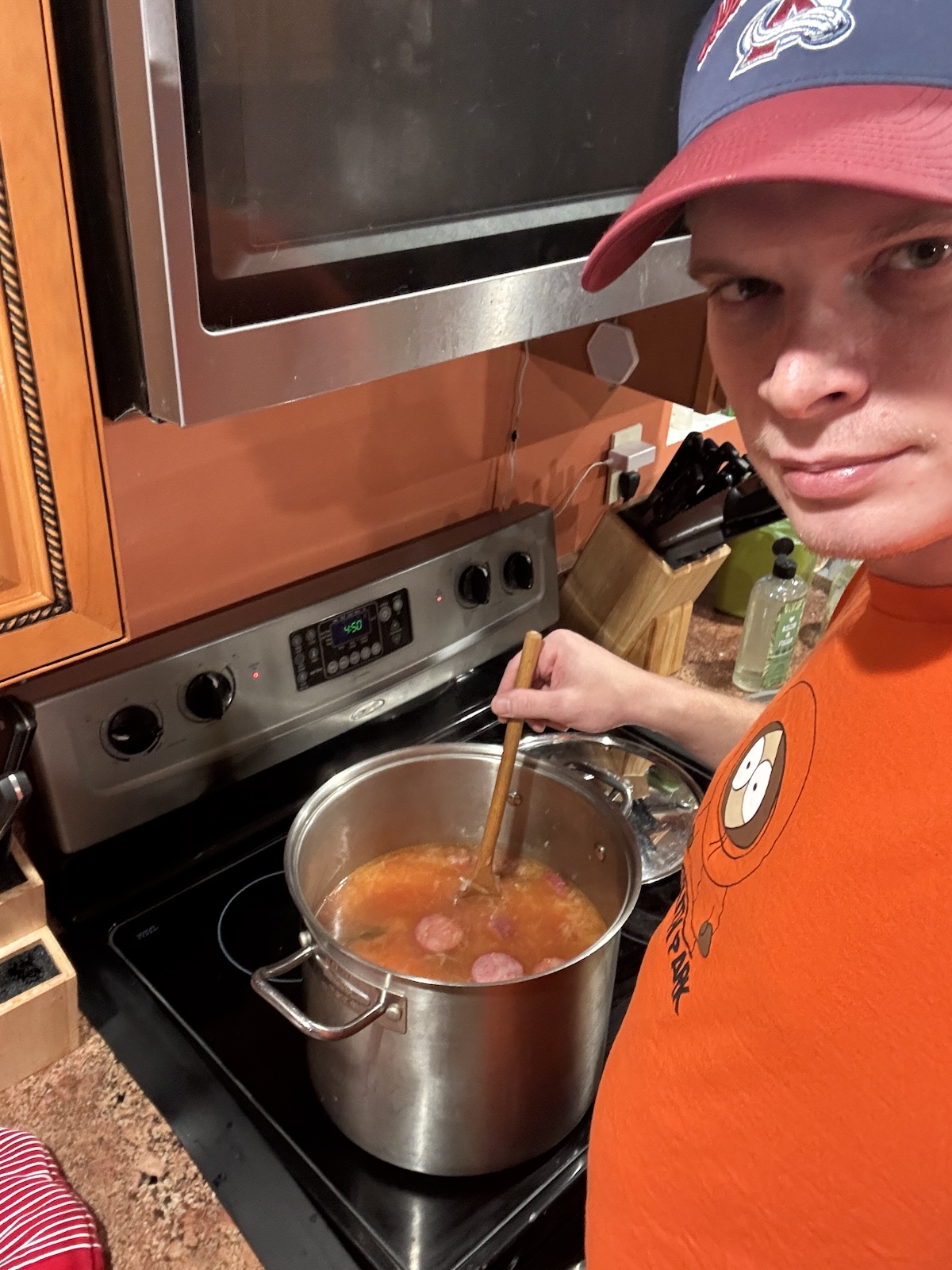
I was still cooking the cabbage soup that late afternoon. Believe it or not, the American sausage was much better than the Polish one, even though the one from our northern neighbors caught my eye. This specific type of cabbage had a major impact on the overall flavor of the soup. I didn’t manage to make it exactly like at home, but it wasn’t bad at all. Aside from the difference in acidity, I really missed our good old sausages from our local grocery stores. In any case, I was glad I managed to pull it off and that I could share a bit of tradition from home with my hosts.
Dinner was followed by the now-traditional stop at Ballmer Peak for a few drinks. Then we all watched the fantastic movie Bugonia. If you like hoaxes and conspiracy theories, I highly recommend it.
DAY 3 - 01/04 - FOR RODEO, FOSSILS, AND SOBO 151
The third day—actually, still only my second full day in Colorado—brought another packed schedule from morning to night. I started by heading south to Denver, to Colorado Springs, the state’s second-largest city, which is known not only as a national Olympic training center but also as the only place in the world whose residents rejected hosting the Winter Olympics (1976).
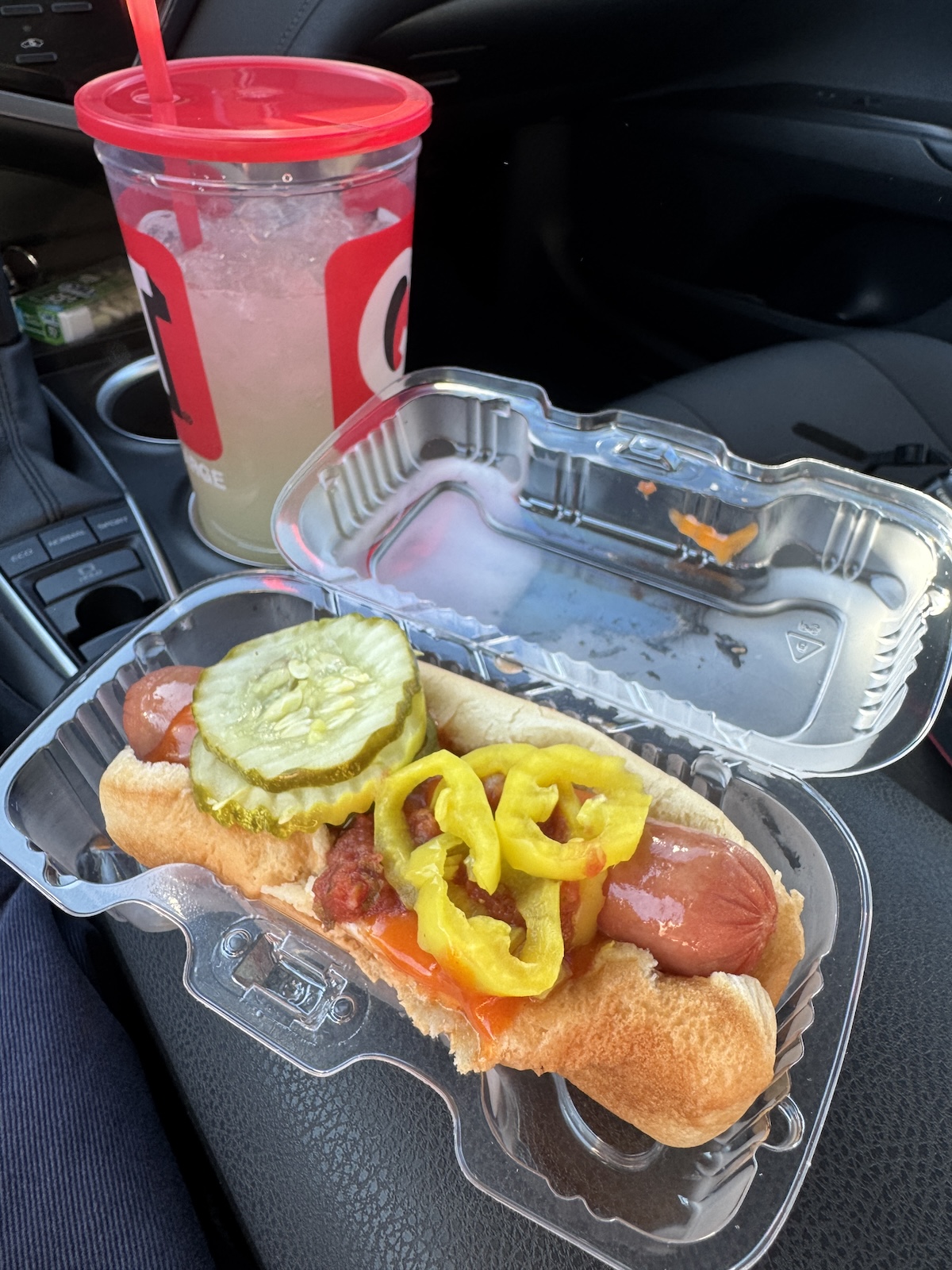
I treated myself to an American-style breakfast at a classic gas station, where you’ll find a wide selection of dishes, free sauces, and dozens of sodas. You’ve got to have the stereotype!
In Colorado Springs, I visited the Pro Rodeo Hall of Fame, a hall of fame dedicated to professional rodeo. Rodeo is intertwined with Colorado’s history, just like the story of Buffalo Bill, who is buried near Denver. The Hall of Fame offers a brief glimpse into the history of this sport across a large space, but mainly a list of over 100 Hall of Fame members in various categories, along with thousands of their artifacts—boots, saddles, lassos, hats, magazines, and who knows what else.
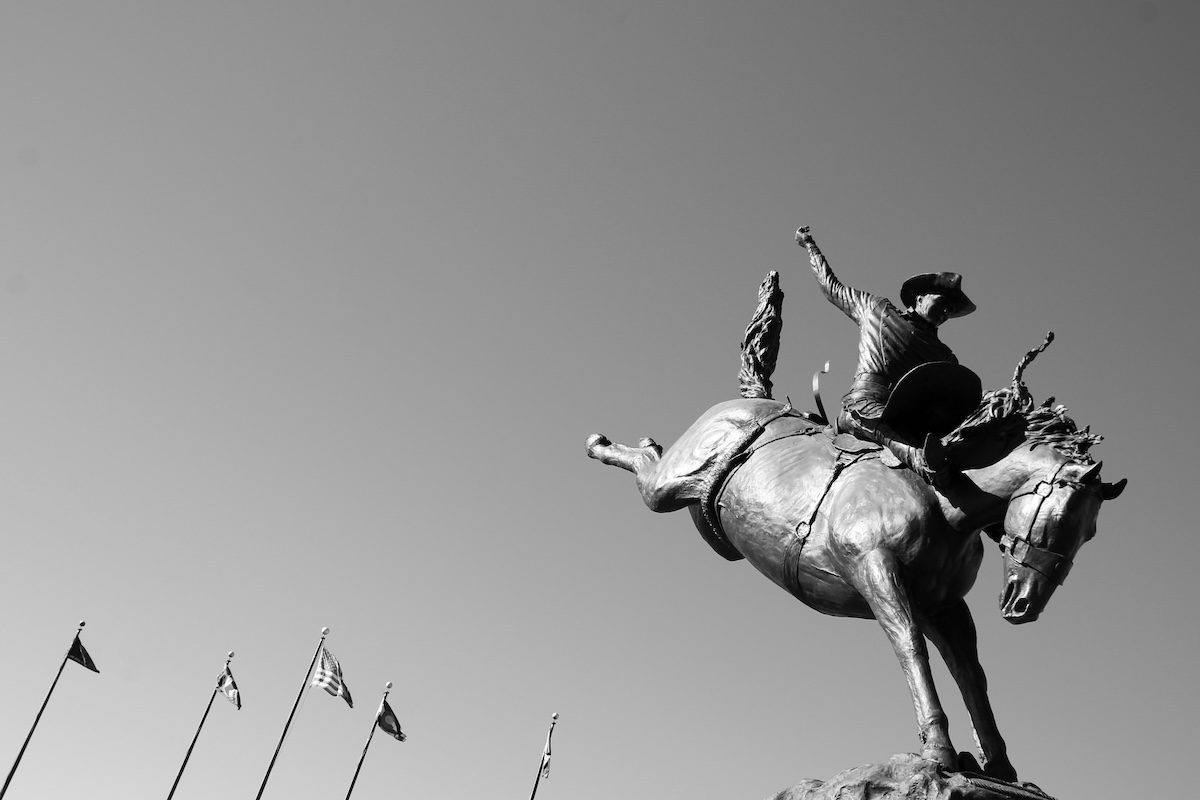
I tried to find someone with Czechoslovak roots among these figures, but I didn’t succeed. I’m glad I managed to visit this place, since a few days later it was announced that the entire Hall of Fame would soon be moving to Wyoming due to the need for even larger spaces. In addition to the human participants, I also appreciated the exhibition dedicated to the animals, which are an integral part of this sport and must always be well cared for.

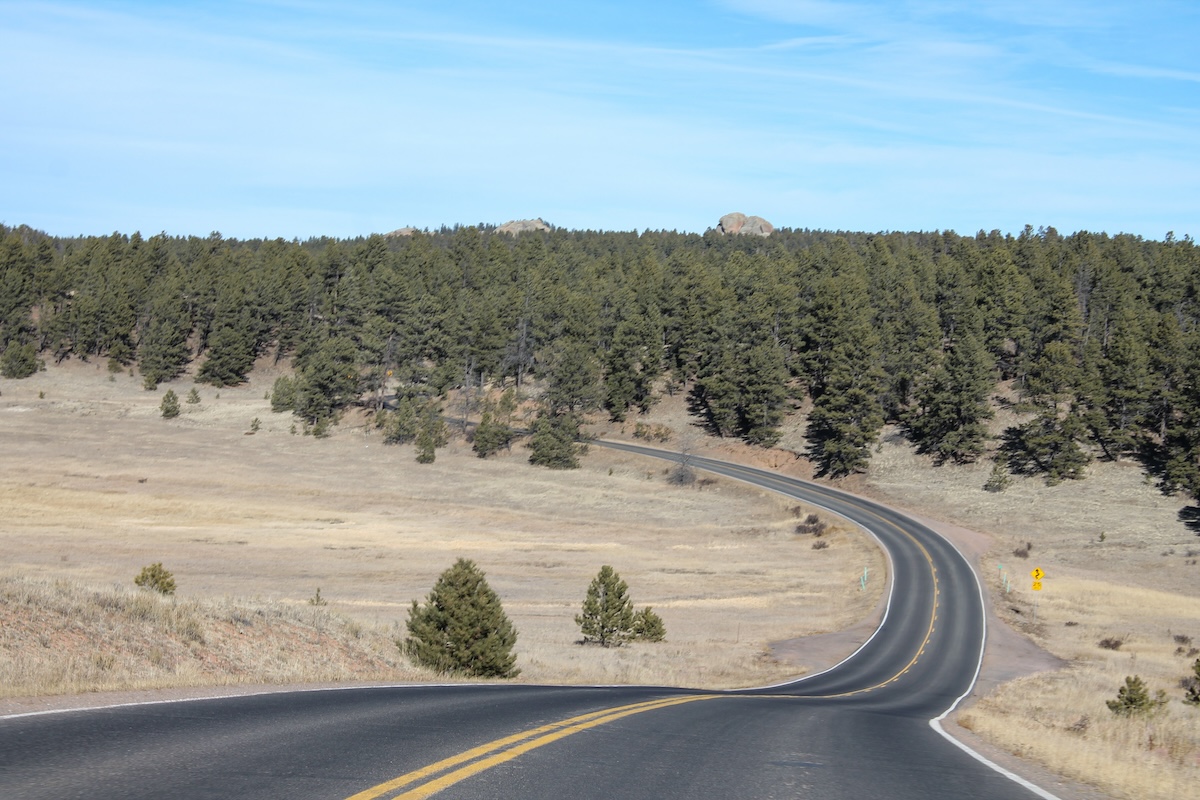
After admiring the cowboy statue in front of the hall, which I photographed from various angles—as you can see in the photo gallery—I got in the car and headed toward the mountains. Somewhere further down the valley lies the Florissant Fossil Beds National Monument, an area known for its fossil sites—primarily insects, plants, and giant sequoias. It is precisely the stumps of these giant trees that are the area’s biggest attraction. One of them, Big Stump, is 34 million years old. The fossils were preserved thanks to a massive volcanic eruption; the rest were buried by ash, much like in Pompeii.
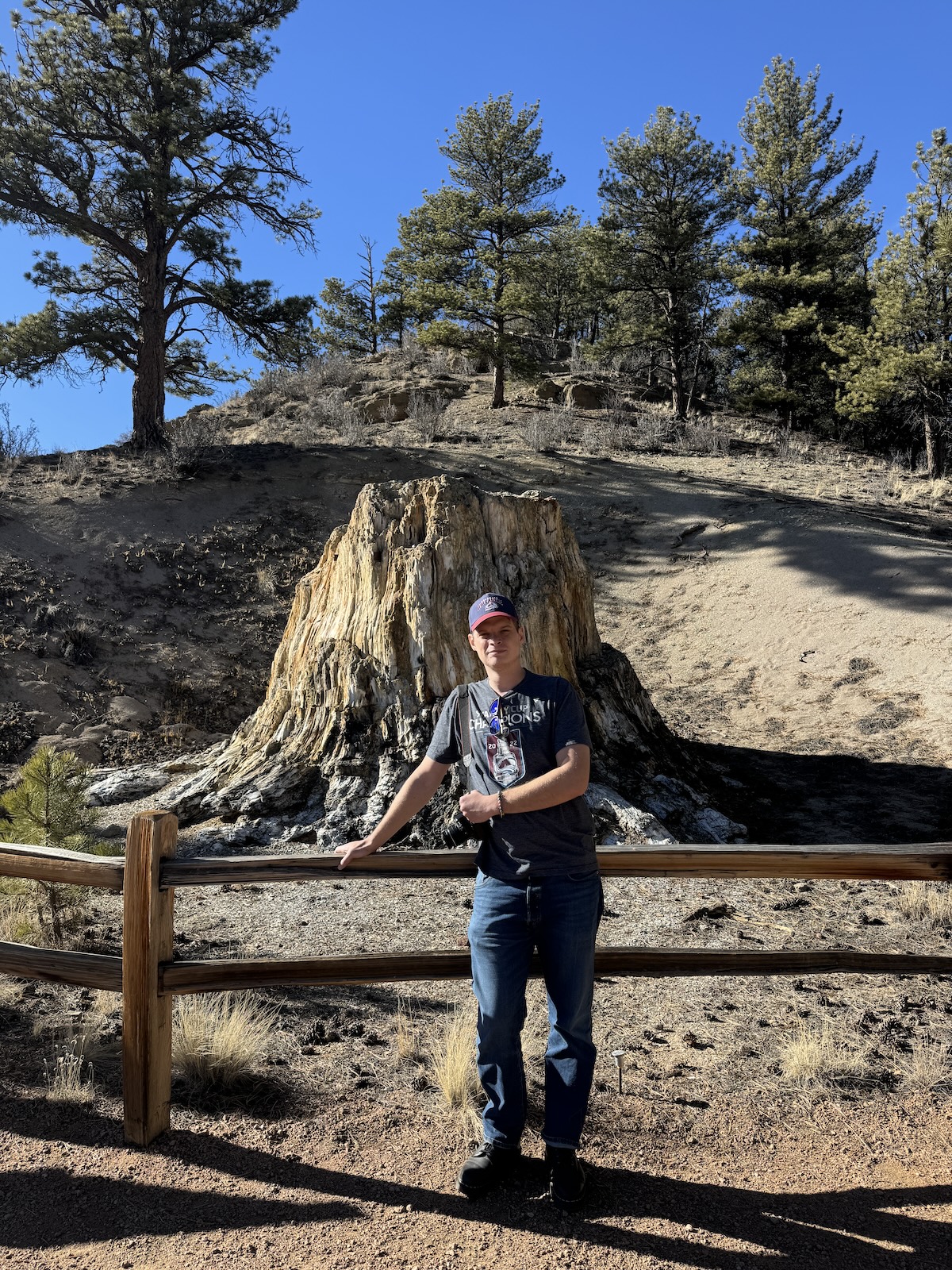
A tour of this interesting site follows hiking trails and takes about an hour. Although it may not seem like an attractive place for tourists, in the past, fierce competition raged between two lodging operators in the area, who were constantly arguing. Their story even includes a murder case. At that time, before World War II, it was common for tourists to sit on redwood stumps and chip off valuable souvenirs to take home.
I had to hurry because the Avs were playing Florida at 3:00 p.m. Ken and I met at the Czech hockey pub SoBo 151, whose owner and manager are longtime friends of Eurolanche. They’re not only part of our circle of friends but also true supporters—every year they help us with game tickets, for which we owe them a huge thank you. Not only they, but also our other American friends are proof of how important personal friendships are in times when those for whom such things shouldn’t be the slightest problem turn their backs on you.
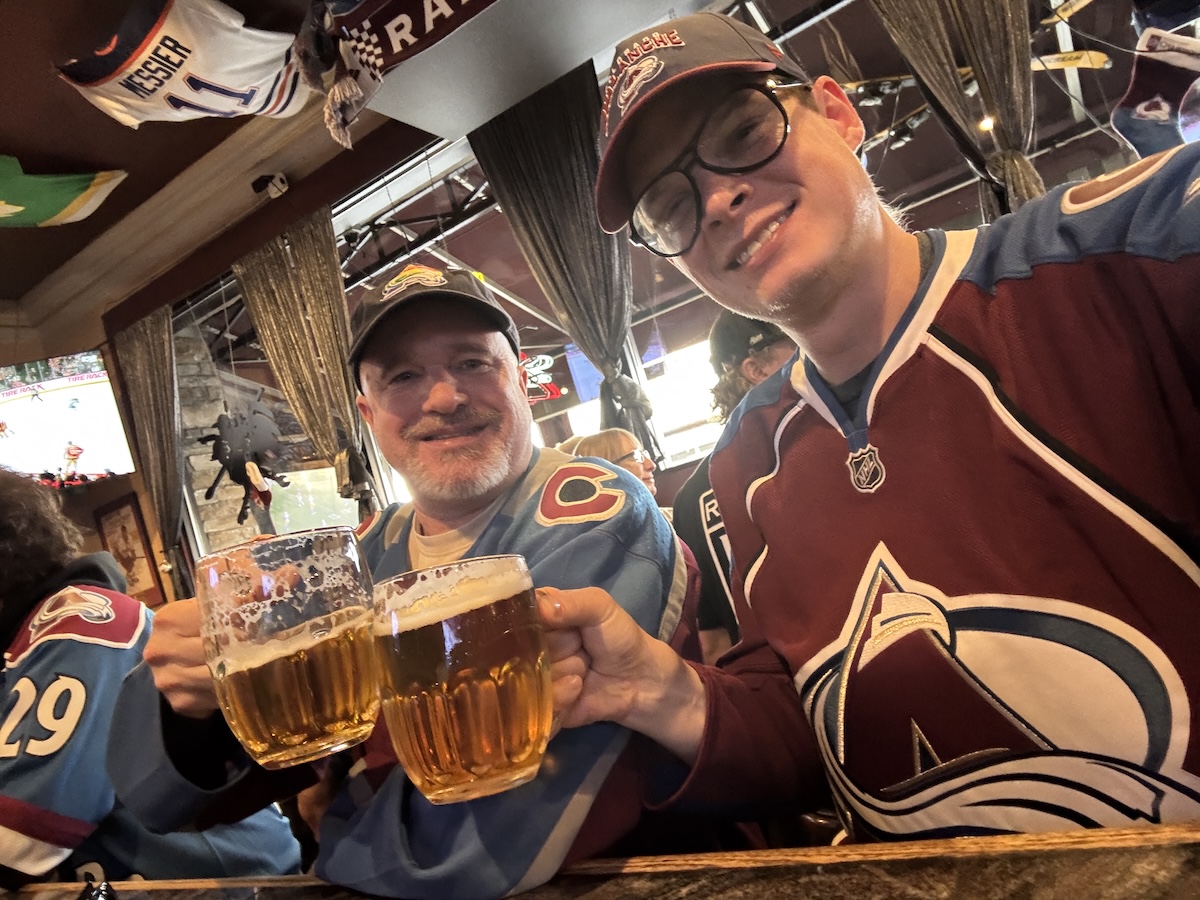
The Avalanche ultimately lost 1-2. This ended their 10-game winning streak. It was only their third loss in regulation time this season. Captain Landeskog suffered an injury, sealing his fate so that we definitely won’t see him in any home games during this road trip. What can you do? At least I had some fantastic Buffalo wings to cheer me up!
DAY 2 - 01/03 - THE OLD AIRPORT, THE HISTORY OF BASEBALL, AND AN EVENING IN DOWNTOWN
This year, I tried to make the entire trip itinerary as comprehensive as possible—selecting places and activities that are characteristic of Colorado in terms of its history, present, art, culture, and uniqueness. Returning to the same place year after year has long since compelled me to study more and more about this American state during the long weeks of putting together the itinerary. Thanks in part to the literature I regularly acquire, I was able to include attractions in the itinerary for the sixteenth time that had never been part of it before.
The first part of Tour XVI, my solo segment, was no exception; I included lesser-known and bizarre places that might not interest everyone—specifically those who still have things to discover in Colorado, whether they’ve never been there before or are returning for only the second time.
My first two full days in the U.S. served as proof of this approach. See for yourself.
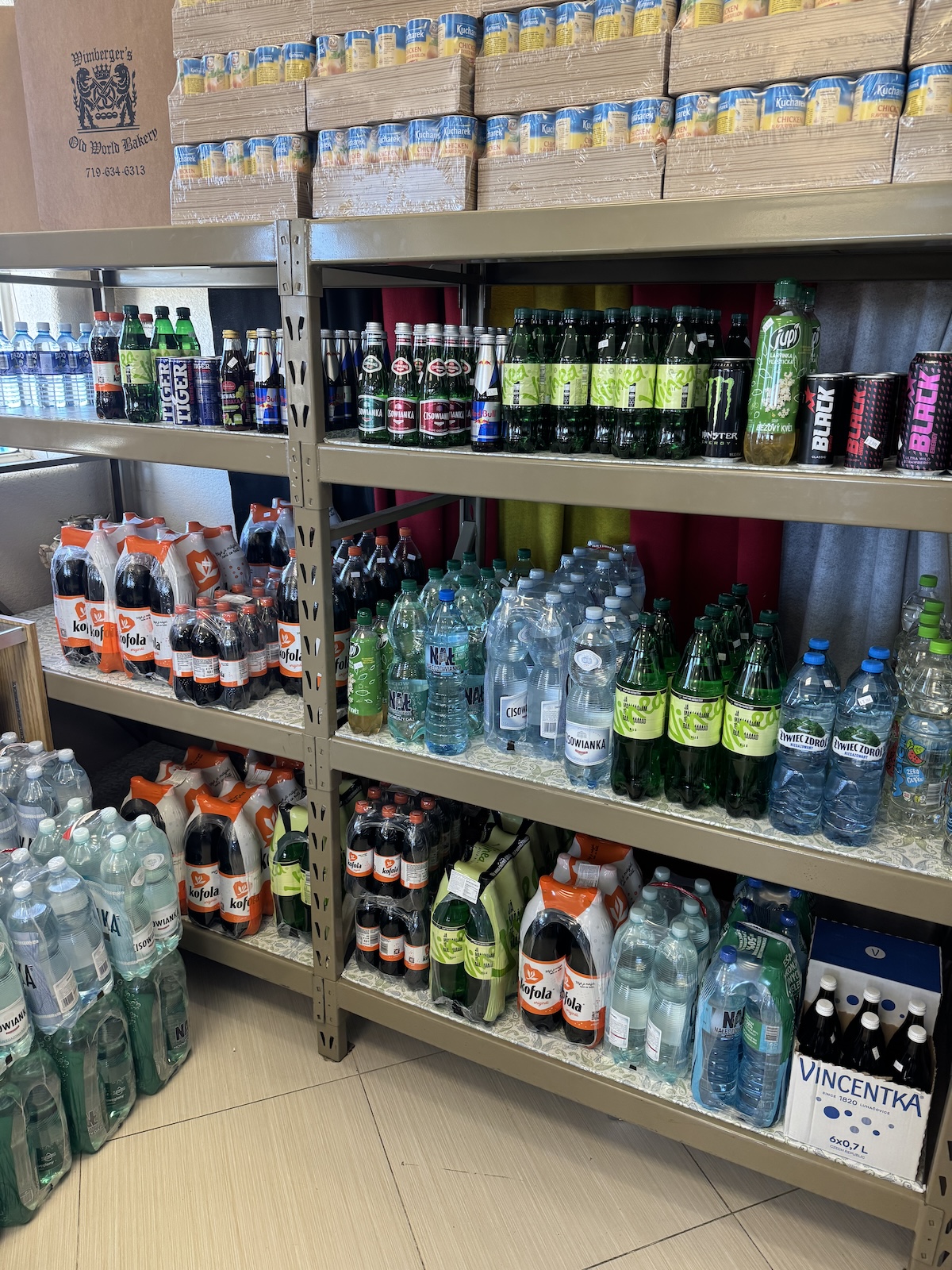
After an American breakfast prepared by the very skilled chef Ken for me and his family, Ken and I went to two European grocery stores to buy ingredients for the cabbage soup (kapustnica) I was planning to cook. In one of them, we were greeted by a Polish shopkeeper who has lived in Colorado for over 50 years. We communicated in Slovak. The Polish man didn’t hesitate; he went to the back room and offered us liqueur and beer, which we drank right there among the shelves filled with authentic European products, including those from Slovakia like Kofola, Vinea, and Vincentka...
After shopping, I headed to the airport. Not that I had a flight to catch, though I’ve been on two trips where, after arriving in Denver on the first day, we immediately flew somewhere else the very next day... This time, I made my way to Stapleton Airport, which actually no longer exists. It served as Colorado’s main airport from 1929 to 1995. Today, only one thing remains of it—the control tower.

An enthusiast who takes care of it recently opened it to the public with the help of a private sponsor. Until then, it had been falling into disrepair and was accessible only during emergencies. Several lower floors of the tower have been modernized; there are two bars there, as well as a game area with interactive and entertaining games suitable for corporate team-building.
The biggest attraction is on the top floor, which can only be reached by stairs. This is the space from which Denver air traffic controllers used to coordinate air traffic. It features authentic instruments, equipment, live broadcasts from the current airport, various points of interest, and 360-degree views of Denver and the surrounding area from angles I’ve never seen before.
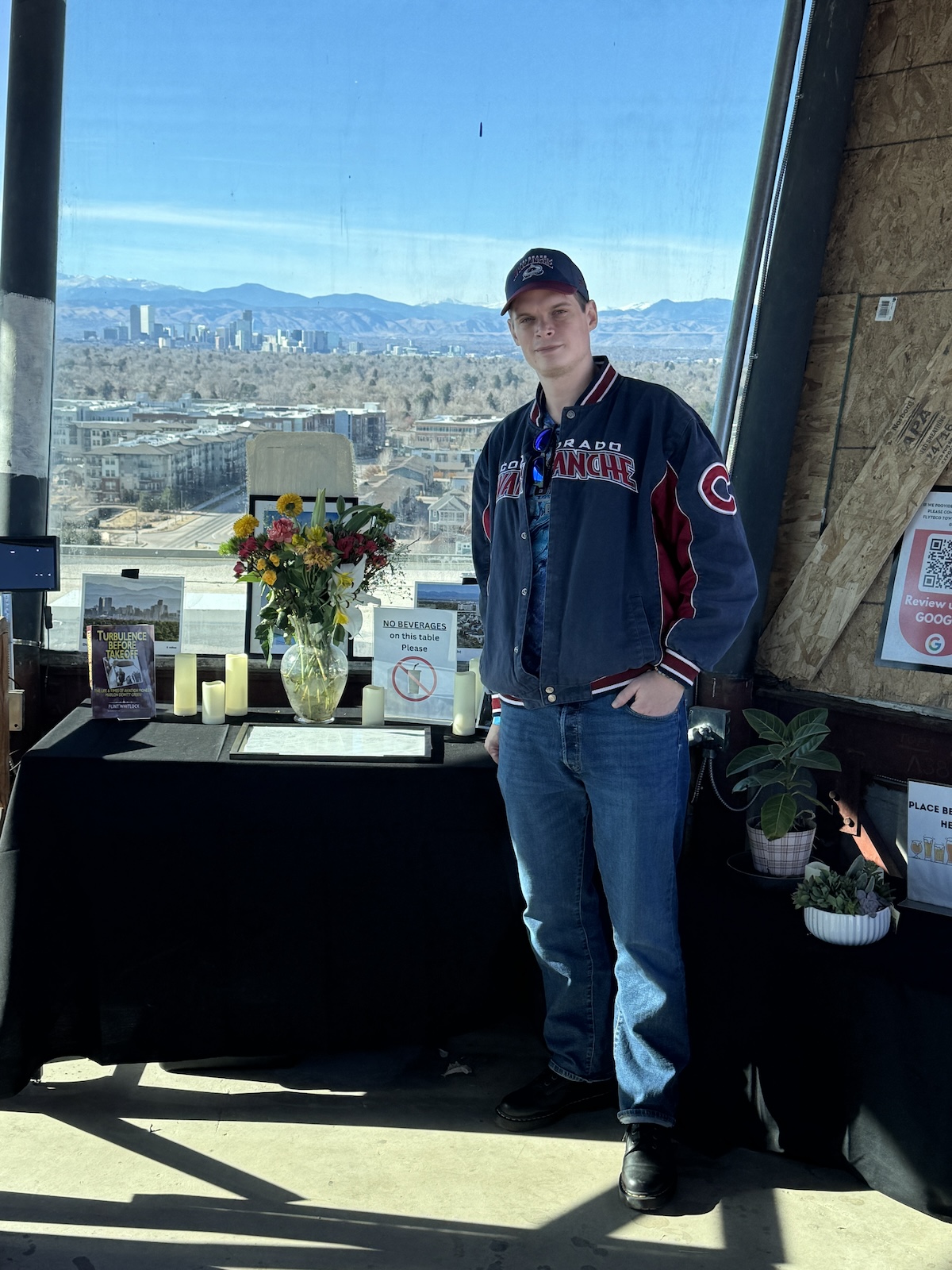
The entire staircase is lined with historical photographs and interesting facts about the airport’s history. Among them is a tragic event: the crash of Flight 629 on November 1, 1955. What happened? John Gilbert Graham placed an explosive device in his mother’s luggage (officially a surprise gift she was supposed to unwrap later). At the airport, he took out a life insurance policy on her in case of a plane crash (a common practice at airports at the time). Eleven minutes after takeoff, the device exploded; the plane crashed near Denver, killing all 44 people on board. Graham was arrested shortly thereafter and later executed following a death sentence. In front of the control tower stands a recently unveiled memorial to the victims of one of the first such air disasters, which led to the tightening of security checks at airports.

I then headed to downtown Denver, to Coors Field, where the National Ballpark Museum is located. It’s run by an older gentleman named Bruce, a baseball enthusiast who donated his lifetime collection to the nonprofit. I’m not really a fan of the sport, but I checked out the place out of curiosity. Baseball is a sport of stories and a unique culture that continues to fascinate many fans.

Ken and I headed out into the streets that evening. First, we watched the Avalanche vs. Hurricanes game (5-3) at the LGBTI+ friendly sports bar Tight End (in Colorado and almost elsewhere in the U.S., this is completely normal, and no one judges anyone—sports aren’t just for hooligans), followed by dinner and a few drinks. We walked to the nearby Denver Capitol, had a good laugh, and took a taxi home.
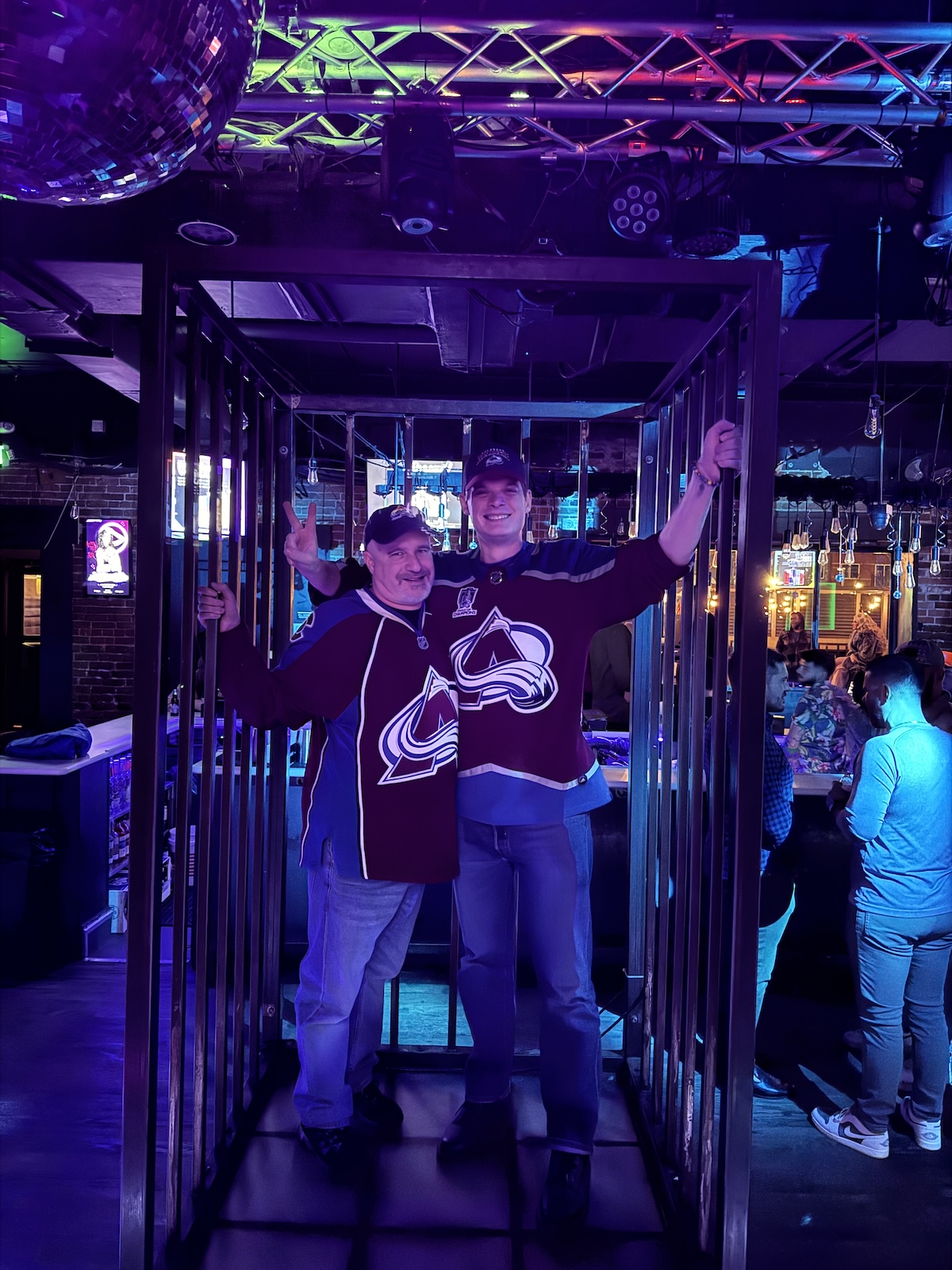
DAY 1 - 01/02 - ARRIVAL IN THE U.S.
I decided to make this, my last trip as an organizer, a special one. That’s why it started for me almost a week earlier than for the other participants. Right on the second day of New Year, shortly before 5 a.m., I found myself at the Vienna airport. The line was already so long that breakfast in the airport lounge was out of the question. By the time I had gone through all the necessary procedures, I arrived at the departure gate, which opened shortly thereafter.
For the first time, I chose Turkish Airlines, which only began operating the Istanbul-Denver route last year. I was curious about the quality of their service and also wanted to experience the world’s longest direct flight to Denver.
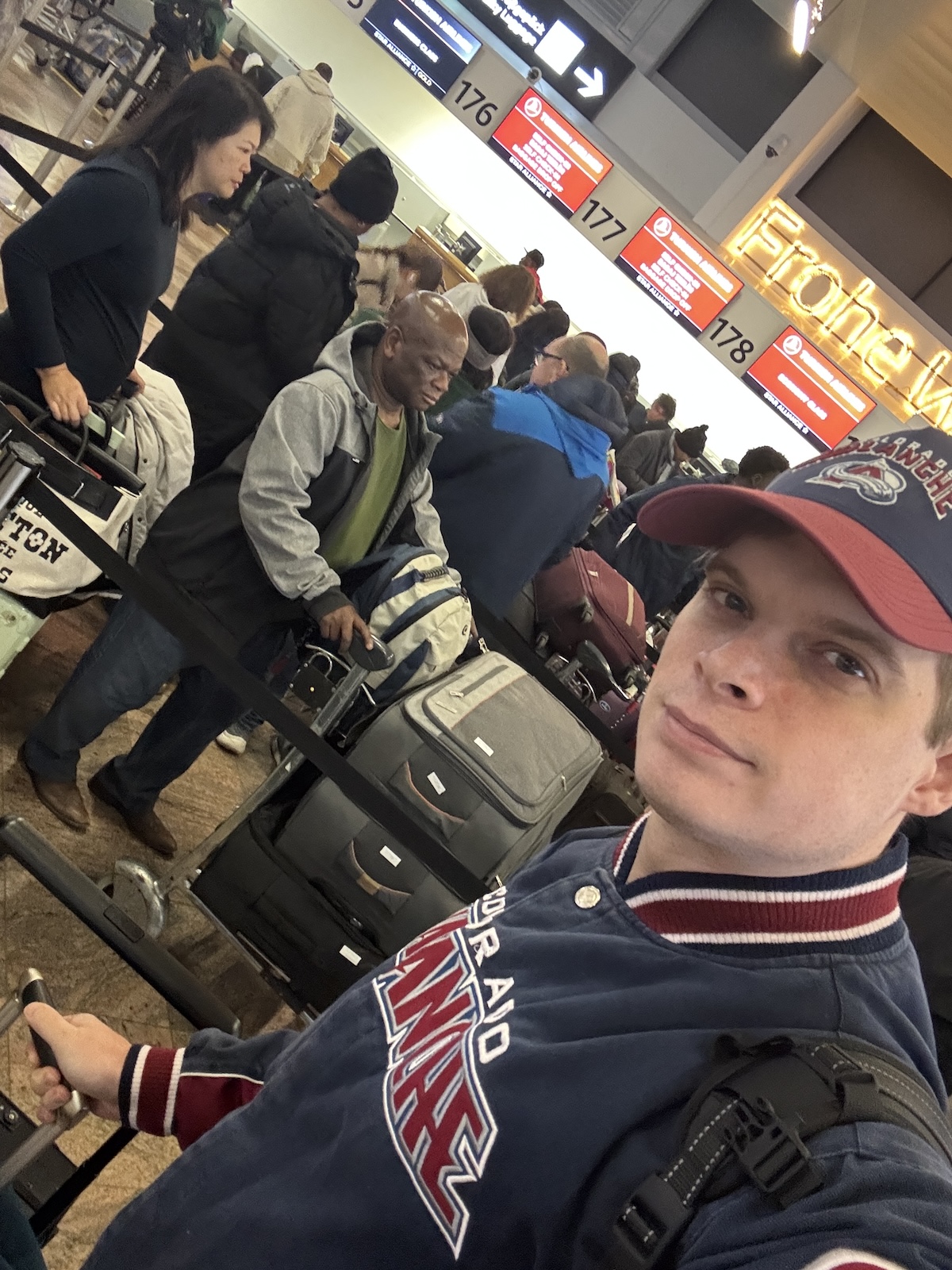
We departed from Vienna before 7 a.m. The flight was smooth and lasted just under two hours. Upon arrival, I was greeted by the huge and modern Istanbul airport, as well as a one-hour time difference (I didn’t need a visa). I had over three hours to spare, but the time flew by very quickly. I took advantage of the opportunity to wait in the reclining chairs. The airport felt spacious; there was no rush or chaos. Interestingly, when a fellow passenger and I alerted the staff to a forgotten backpack—which is generally considered a security threat—no one seemed in a hurry to resolve the situation.
There were three types of security checks at the departure gate, which I had never experienced with such intensity on a flight from Europe to the U.S. Everything went smoothly, but overall, with so many passengers, it was a lengthy process.
The flight to Denver took nearly 12 hours; I don’t think I’ve ever flown that long before. A new feature for me was the free amenity kit in a Lacoste pouch, which included slippers and a menu from which we could choose various meals and cologne for passengers in the restroom. And I was flying in regular economy class.
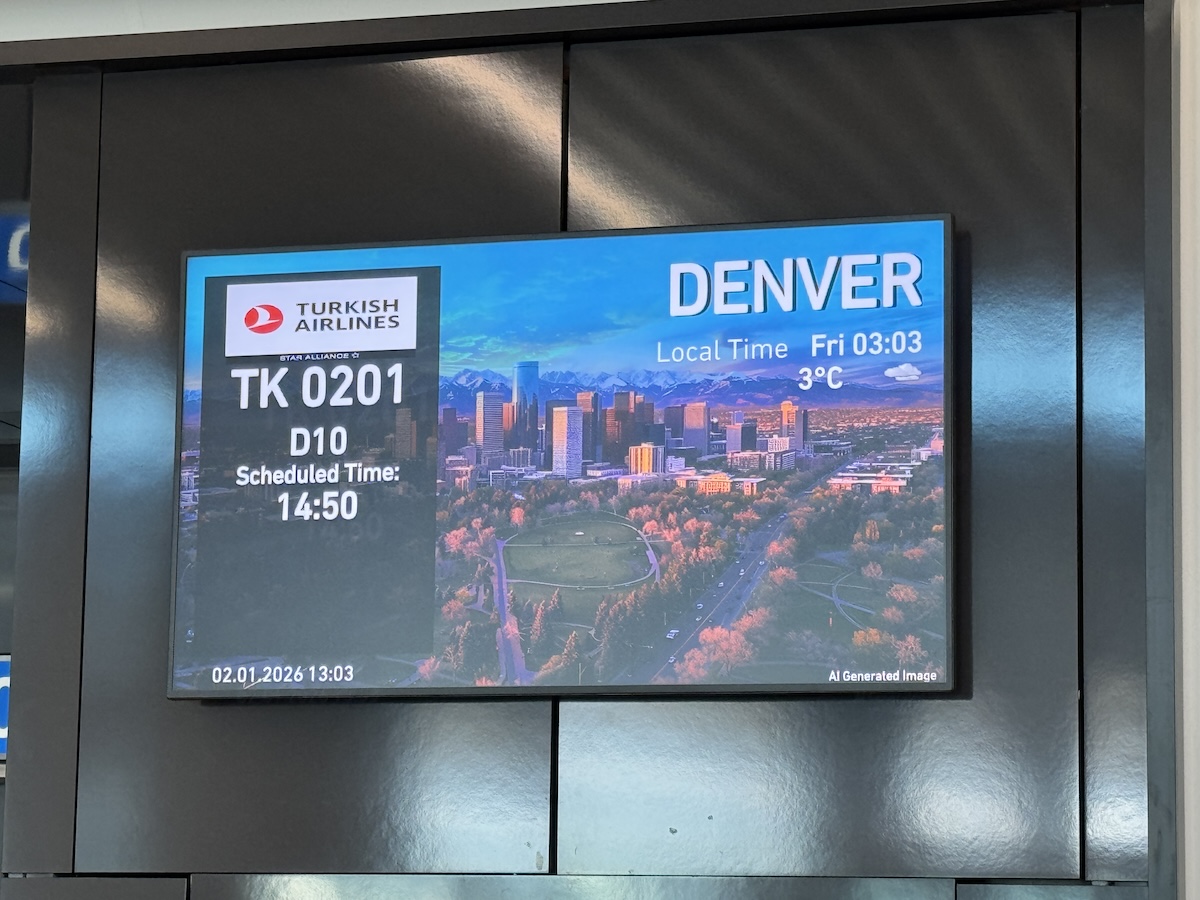
I couldn’t sleep much, just a little. On the screen in front of me, I completed all the levels in Angry Birds, or I watched live news on CNN (at the time, the top story of the day was a tragic fire in a Swiss bar) or a pre-downloaded Avalanche game from New Year’s Eve. Turkish Airlines offered free internet access for text messaging. I paid extra for a bit more data a couple of times so I could use the web and social media normally. Overall, it was a comfortable flight in a modern plane; I definitely wouldn’t hesitate to fly this route again.
For the first time since my very first trip with Eurolanche (when we were significantly delayed), I landed in Denver after dark, before 6:00 p.m. local time. After going through security checks, an immigration interview, and a quick, free bus ride, I arrived at the car rental office near the airport. Thanks to good preparation, I got the car—a white Toyota Camry—in under a minute. That was indeed my personal record for a trip.
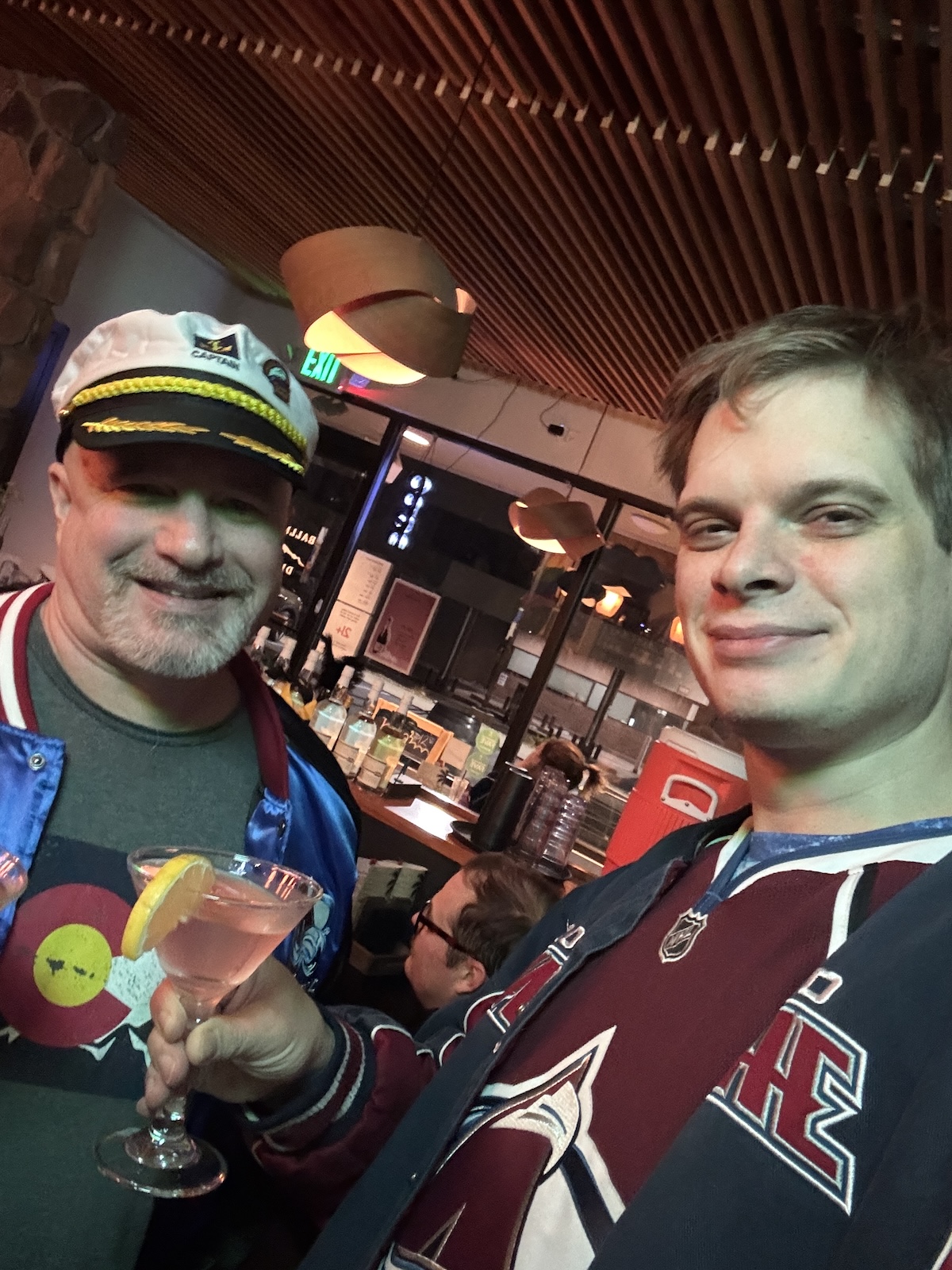
I moved in with Ken and his family, who let me spend the solo part of my trip with them. We spent the evening at the Ballmer Peak Distillery bar, one of Ken’s favorite spots, where they make more than just their own whiskey. It was an extremely long day, but it was worth it, and I was truly glad that I managed to pull it all off. Three weeks of the most intense Eurolanche on Tour awaited me, with a daily schedule planned down to the hour.
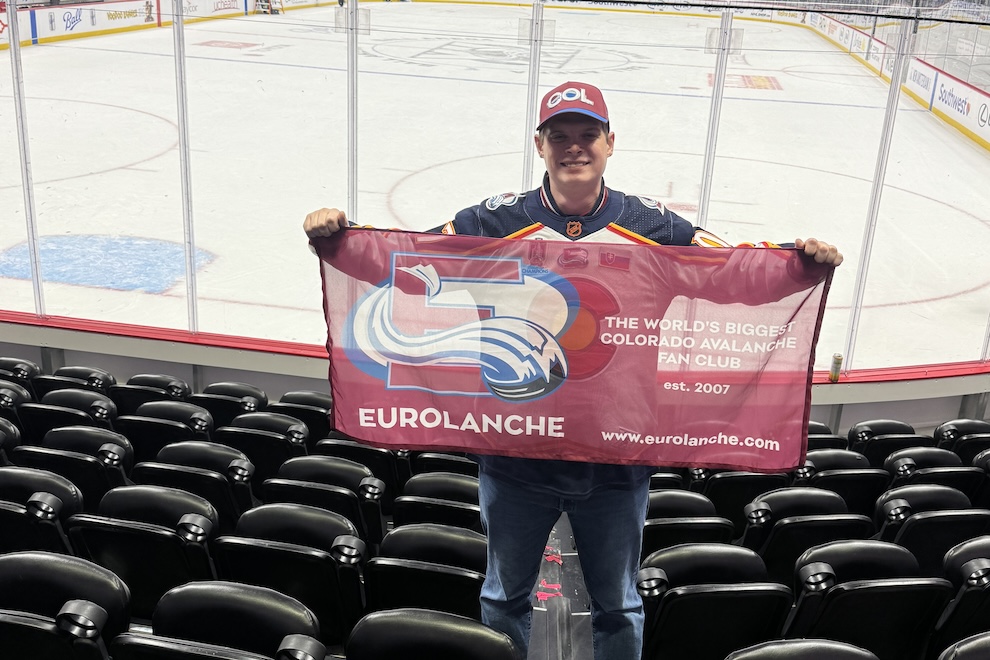

David Puchovsky, Slovakia, eurolanche@eurolanche.com
05/05/2026 - 08:00